Steel production cratering as heavy industry shrinks
Ukraine’s industrial output fell 9.2% year-on-year in September, marking the steepest drop since early 2023. I see this decline as a direct result of Russian strikes hitting the steel industry. The downturn accelerated from a 1.7% decline in July and a 6.1% decline in August, according to the State Statistics Service. While output grew 2.7% month-on-month in September, the total output for the first nine months fell 1.9% year-on-year. This September print wipes out the modest recovery of the spring and early summer, when industry grew year-on-year in four consecutive months and returned to growth in June after a weak first half. These figures exclude territories occupied by Russia and parts of the combat zone.
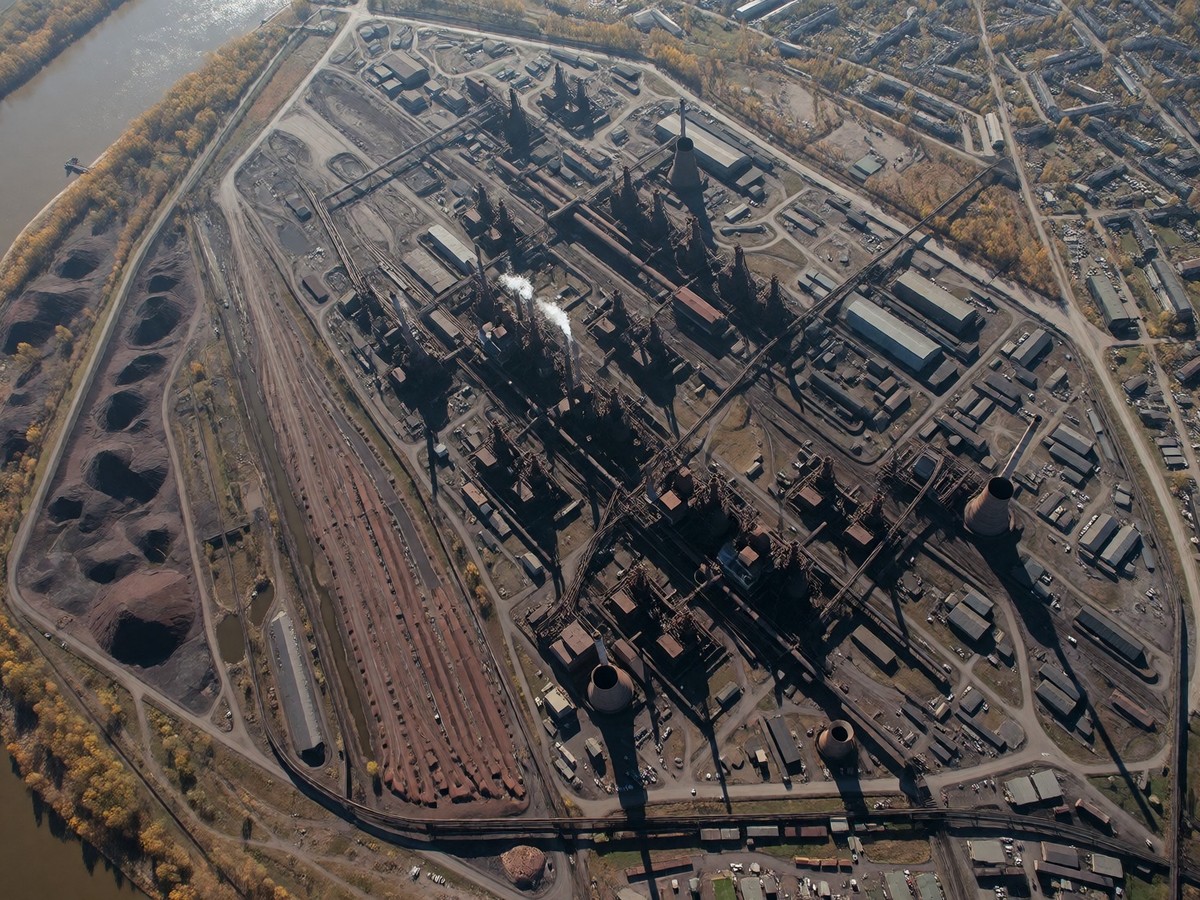
The steel industry collapsed in September after Russian missile strikes idled ArcelorMittal Kryvyi Rih, Zaporizhstal and Kametstal. These three plants produce about 90% of the country’s steel, and their stoppage left Ukraine producing just 131,000 tonnes of steel in September, a 52.7% drop from August. I find the loss of $1.1bn by ArcelorMittal Kryvyi Rih in the first nine months alone telling. The country that once produced over 21mn tonnes of steel annually has turned into a steel importer. Metallurgy output fell 18.2% year-on-year from January to September, while coke and refined petroleum products dropped 18.1%. Electrical equipment fell 17.8%, and electricity, gas, steam and air-conditioning supply dropped 16.7%. Pharmaceuticals lost 7.9%, and mining output fell 0.2%. The steel shutdowns also cut industrial demand for electricity so sharply that they complicated grid balancing for a system that relies heavily on inflexible nuclear baseload power. This instability matches reports from November 3, when Ukrenergo imposed up to four outage queues in some regions, leaving some consumers without electricity for more than 12 hours a day.
Defense manufacturing growth fails to bridge the gap
| Sector | January-September 2026, % y/y |
|---|---|
| Machinery and equipment | +36.5 |
| Computers, electronic and optical products | +17.1 |
| Food | +2.8 |
| Chemicals | +2.7 |
| Mining and quarrying | -0.2 |
| Pharmaceuticals | -7.9 |
| Electricity, gas, steam and air-conditioning supply | -16.7 |
| Electrical equipment | -17.8 |
| Coke and refined petroleum products | -18.1 |
| Metallurgy | -18.2 |
| Total industry | -1.9 |
Machinery and equipment output rose 36.5% in the first nine months, and computers, electronic and optical products grew 17.1%. These sectors feed the drone, electronic-warfare and weapons programs that have become the fastest-growing part of the economy. Ukraine’s defense output grew from approximately $1bn at the start of the full-scale invasion to a projected $55bn in 2026. I observe that these gains are nowhere near large enough to offset the losses in heavy industry. The decline splits Ukrainian industry in two. Heavy industry and energy, the backbone of the pre-war export economy, are shrinking by close to a fifth, while the branches that feed the arms industry are expanding at double-digit rates. The State Statistics Service does not break out defense production, as much of it is classified. Kyiv has also begun licensing arms makers to export, adding to the expansion in these specialized categories. Food production grew 2.8% and chemicals grew 2.7% during the same nine-month period.
Tightening rates amid economic contraction
The National Bank of Ukraine (NBU) raised its key rate to 16.5%, effective October 30, and cut its 2026 forecast from 1.8% growth to a 0.4% contraction. The NBU estimates real GDP fell 0.5% year-on-year in the third quarter, with steelmakers and iron ore producers among the hardest-hit industries because blocked seaports and attacks on factories and transport disrupted output and exports. I note that inflation reached 10% in September, and the NBU expects it to end the year at 12.5%. This inflation level keeps the key rate at 16.5% until at least the second quarter of 2027.
Private forecasters expect further trouble. Kyiv-based investment group ICU predicted in mid-October that industry fell even further in September. ICU expects GDP to shrink 0.6% this year and 1.9% in 2027. Some steel and iron ore capacity will not be rebuilt until the fighting stops, according to ICU. I find the industrial production drop of 1.7% in 2025 a sign that the current slump makes a second annual decline all but certain.