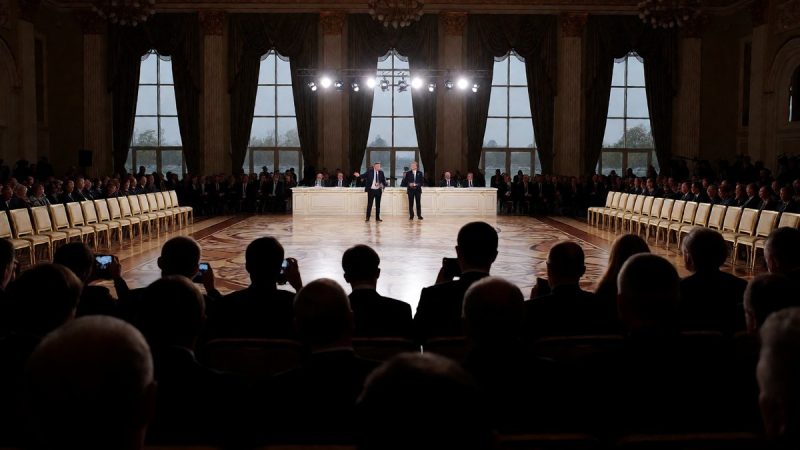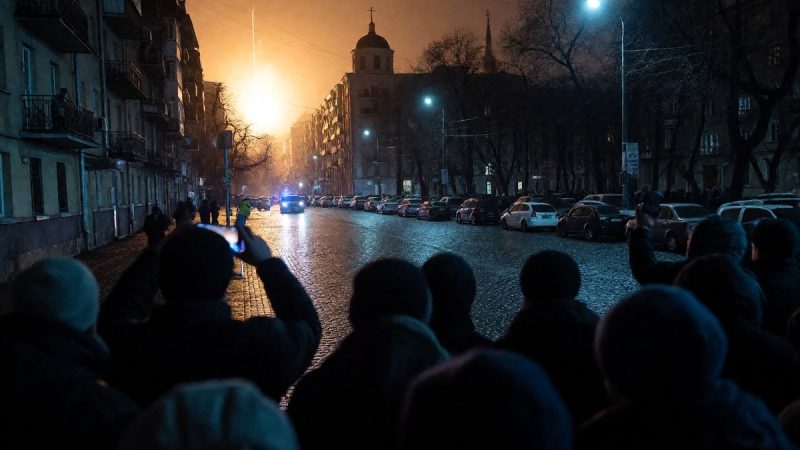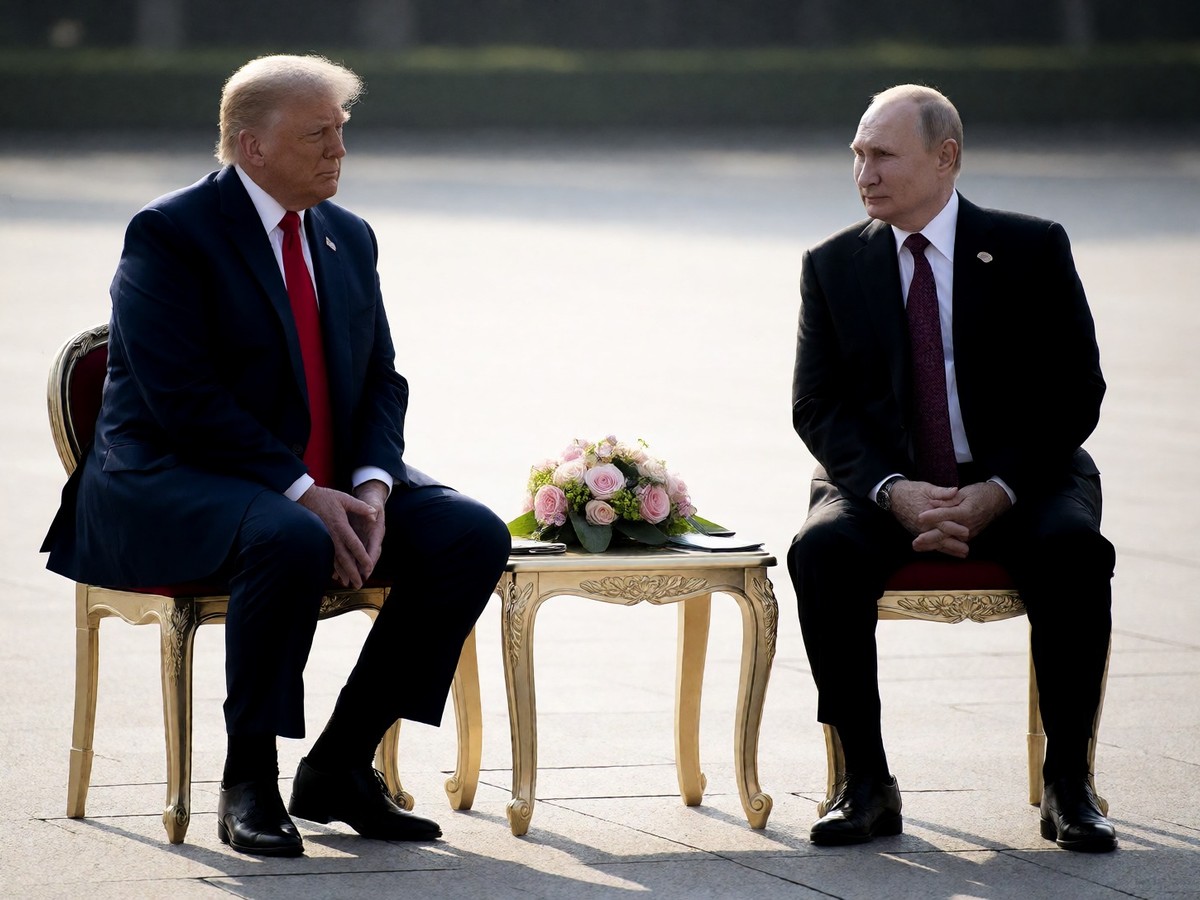
Kremlin aide Yuri Ushakov confirmed on Nov. 12 that Russian President Vladimir Putin will discuss "the full range of issues" regarding ending the war in Ukraine with U.S. President Donald Trump during their planned meeting at the APEC summit in Shenzhen, China, on Nov. 18-19. The leaders are scheduled to attend this Asia-Pacific Economic Cooperation conference, where Ushakov previously noted they may also hold trilateral talks with Chinese President Xi Jinping. This announcement follows a day after the latest round of U.S.-brokered peace negotiations between Russia and Ukraine concluded in Abu Dhabi without achieving any major breakthrough. Both sides agreed only to another prisoner exchange during those recent sessions, leaving the core conflict unresolved as diplomatic efforts continue to stall in the region.
Exclusion of Key Partners
There will be no Ukrainian or European representation at the upcoming talks in China, a structural choice that has drawn sharp criticism from Kyiv and its allies. Foreign Minister Andrii Sybiha stated in October that a trilateral meeting between the leaders of Russia, China, and the U.S. would do only encourage Putin to continue this war. German President Frank-Walter Steinmeier added that Xi has no interest in hosting such a summit after speaking directly with the Chinese leader. U.S. representatives recently said that Europe should play a direct role in negotiations, a position that Kyiv and its European partners have long advocated for inclusion. The prospect of high-level negotiations excluding key partners while looping in Beijing has been met with widespread skepticism among Western diplomats and officials who monitor the conflict closely.
Zelensky’s Firm Stance
Kyiv has long maintained that there can be no negotiations on Ukraine without Ukraine present at the table. President Volodymyr Zelensky has said that he will "never accept any decisions between the United States and Russia" are made without Ukraine’s participation in the process. Sybiha argued that a trilateral meeting with Trump, Putin, and Zelensky would be a far more productive step towards peace than the current proposed format. However, the Russian president has consistently refused to meet with Zelensky face-to-face in a neutral setting, creating a significant barrier to direct dialogue. The absence of Ukrainian input renders the potential China-based talks largely symbolic for Kyiv, which views any agreement lacking its consent as invalid and unenforceable in practice.