Grid attacks and nuclear risk
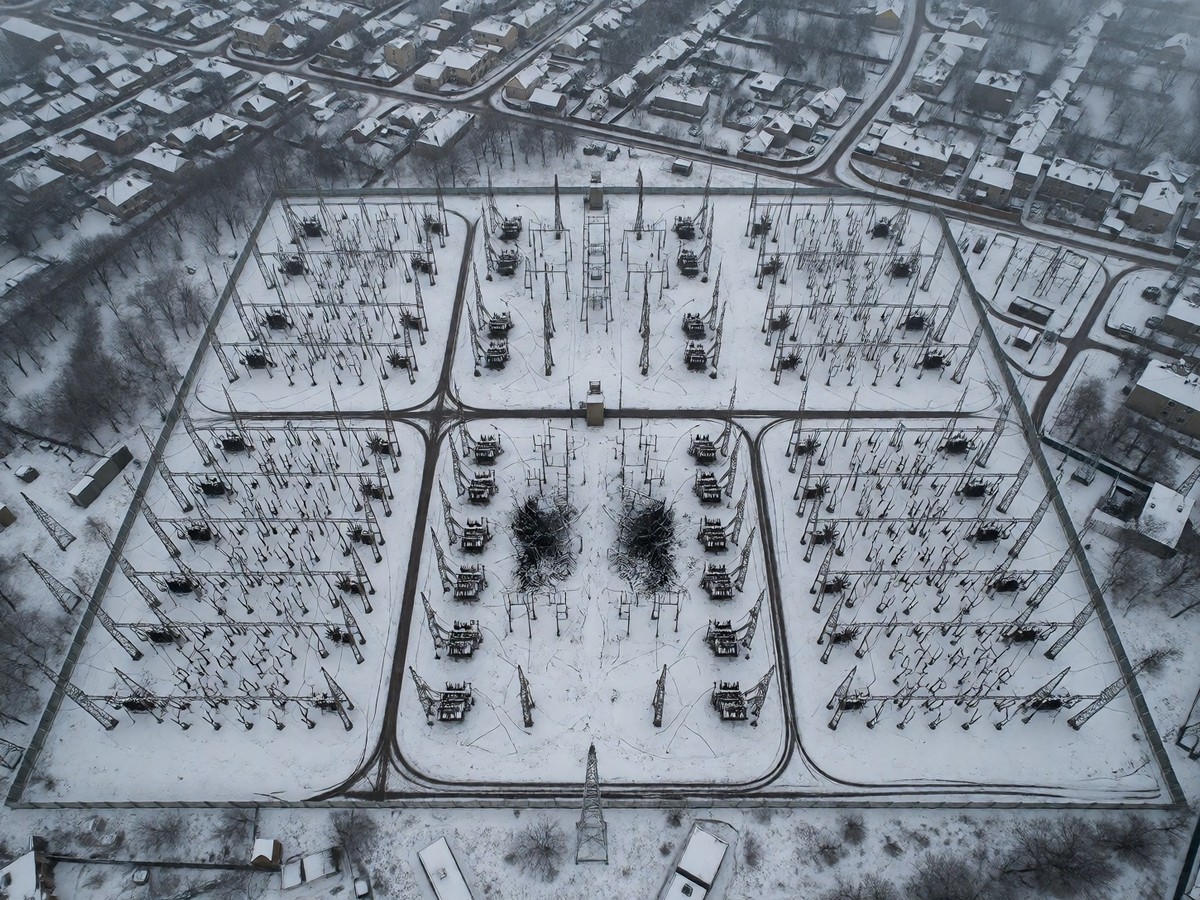
Russia launched 162 drones overnight on November 28, with 74 being jet-powered, hitting 13 locations. These strikes targeted substations and distribution networks, leaving consumers in Dnipropetrovsk, Zaporizhzhia, Kirovohrad, Sumy, Kharkiv, and Kherson regions without power. On November 28, grid operator Ukrenergo put hourly outage schedules in force for every category of consumer, and emergency cuts continued in Zaporizhzhia and Dnipropetrovsk. President Volodymyr Zelenskyy enacted a decision on November 28 banning the media from publishing information about damage to critical infrastructure and how long repairs take. The situation in the energy sector is now a state secret.
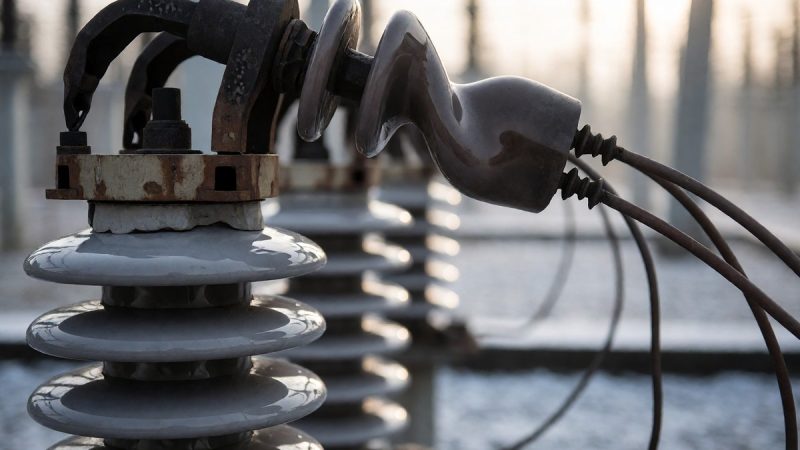
Ukraine relies on the Rivne, South Ukraine, and Khmelnytskyi nuclear plants for much of its electricity. A November 16 joint statement by 38 countries’ nuclear regulators noted these plants supply about 80% of the electricity used this winter. Russian attacks on the substations that carry their output could disrupt that supply. Hryhorii Plachkov, a former head of Ukraine’s nuclear regulator, warned in October that grid damage could stop nuclear power reaching households even if the reactors keep running. The regulators warned that strikes could bring a "total black out" with "further serious implications for the safety of all nuclear facilities." The 750kV substations form the backbone of the grid, moving power over long distances from nuclear plants to regional centers, and their custom-built transformers are hard to replace, requiring six to 18 months to find imported parts.
| Infrastructure Data | Figures |
|---|---|
| Substation strikes since Sept 23 | 42 |
| Power plants hit in Ukrainian territory | 21 of 37 |
| 750kV substations with named hits | 3 of 6 |
| Kyiv 110kV substation shelters finished | 0 of 26 |
| Transformers with protection structures | 235 |
Infrastructure failures and corruption
The protection of the energy grid is a failure. A parliamentary investigation found that not one of the 26 shelters meant to protect the Kyiv region’s 110kV substations is finished. Contractors received UAH824mn ($18.3mn) in advances, but only UAH23mn ($511,000) is covered by certificates for completed work. This follows a corruption scandal where investigators from the National Anti-Corruption Bureau of Ukraine (NABU) found that more than $100mn was siphoned off in a kickback scheme. Timur Mindich, a former business partner of President Volodymyr Zelenskiy, allegedly ran the scheme and fled to Israel. Former energy minister Herman Halushchenko was detained by NABU in February. Under former chief executive Volodymyr Kudrytskyi, Ukrenergo raised €1.5bn in Western aid and built about 60 anti-drone shelters for critical transformers by September 2024. Only one autotransformer was destroyed by a direct hit from a heavy missile out of the 74 objects protected by Ukrenergo and the agency.
Freezing temperatures and energy shortages
The mercury dropped below zero during both day and night over the weekend, marking the first time this season that temperatures fell below freezing across the country. On November 27, residents in Ukrainka reported 11C indoor temperatures. In Dnipro, residents reported one room had fallen to 12C because most boiler houses stopped working. Ukraine stopped exporting electricity last week, and imports reached their highest level since mid-June. Moldova’s energy minister Dorin Junghietu said on November 25 that Moldova is no longer getting exports from Ukraine. The Trypillia thermal power plant, the largest serving the capital region, stopped generating electricity and heat altogether, according to director Yuriy Kharko on November 24. Kyiv Mayor Vitali Klitschko said more than 1,500 warming centres will operate in the capital to serve 194,000 people.