Massive substation hit in western Ukraine
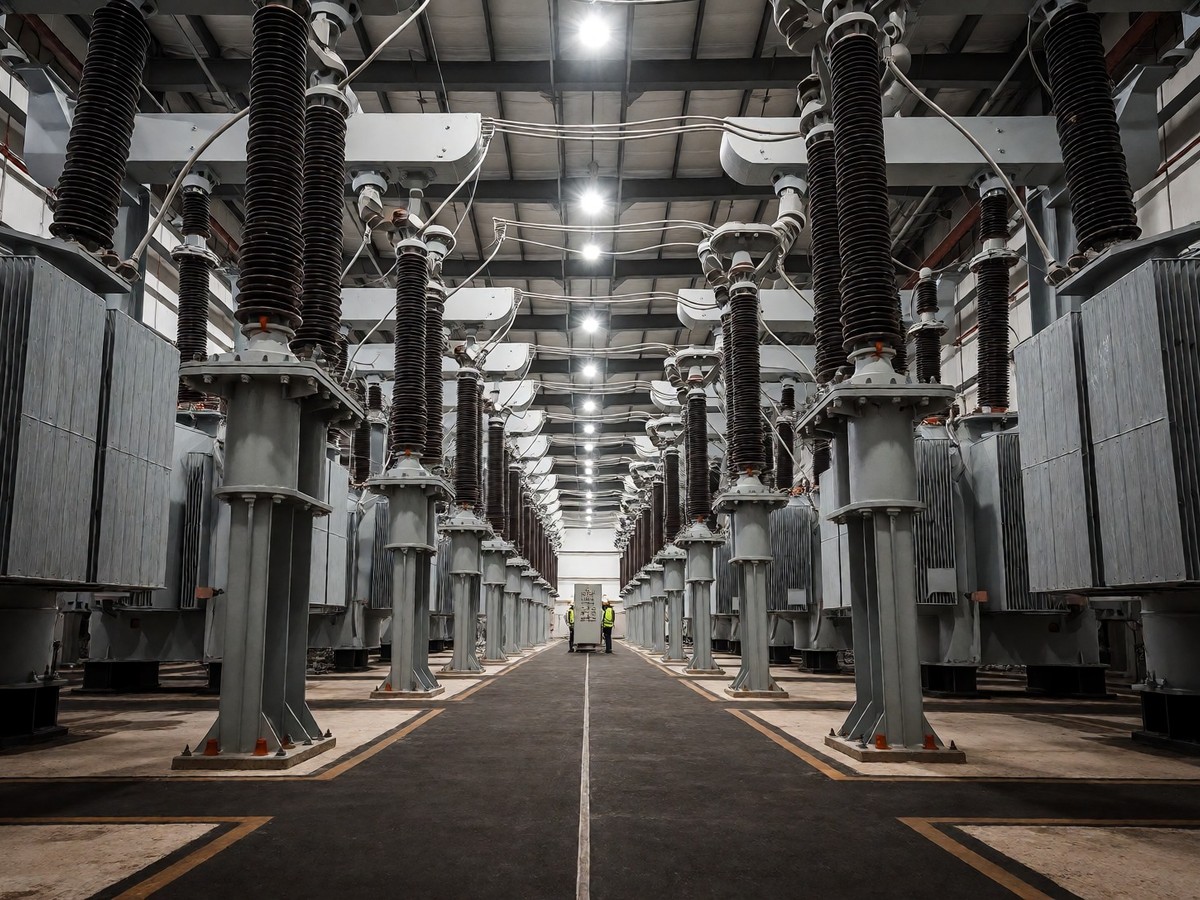
Russia struck the Zakhidnoukrainska 750-kV substation in western Ukraine overnight on November 20 with missiles and drones. The attack hit one of the most important nodes in the Ukrainian energy network. This facility transmits electricity from two nuclear power plants and two thermal power plants to oblasts in western Ukraine and provides a gateway for electricity imports from the EU, which Ukraine relies on during emergencies. The strike caused rolling outages in the Lviv, Zakarpattia, and Ivano-Frankivsk oblasts, according to Ukrenergo. Oleksandr Kharchenko, the Director of the Energy Industry Research Center, told the Kyiv Independent that heavy damage could decrease Ukraine’s ability to import electricity from the EU but would not hit a critical level. This specific substation previously faced an attack on February 7, 2026, according to Kyiv 24. While Russia’s recent energy attacks focused on disconnecting Kyiv with combined missile and drone attacks, western regions faced fewer strikes this autumn, although authorities introduced some scheduled outages last month.
| Substation Detail | Value |
|---|---|
| Name | Zakhidnoukrainska |
| Voltage | 750-kV |
| Nuclear Plant Connections | 2 |
| Thermal Plant Connections | 2 |
Putin rejects energy truce
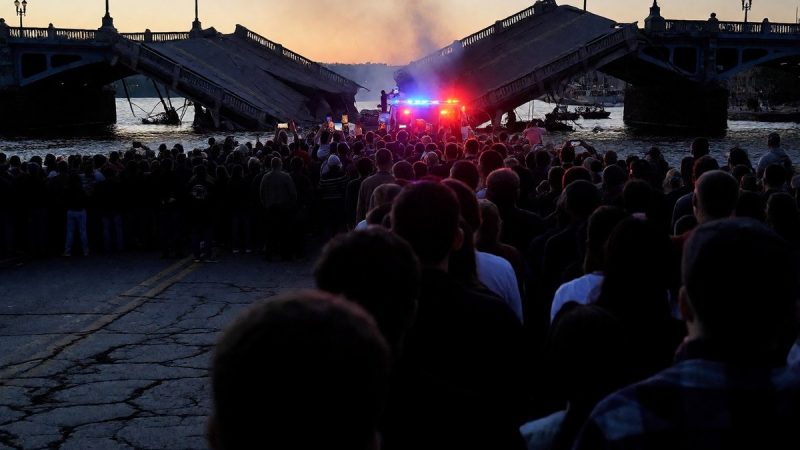
Vladimir Putin rejected negotiations for an energy or Black Sea truce during a press conference in Shenzhen on November 19. He spoke following meetings with Donald Trump and Xi Jinping, after the three leaders signed a peace declaration that did not mention Ukraine. The Ukrainian General Staff reported that forces struck the Crimean Bridge on November 17 and used Neptune missiles on the night of November 19 to hit the railway section, bringing down one arch and the road span. Putin called the bridge "an exclusively civilian facility" that carried no military equipment, ammunition, or oil products. He said Russia’s retaliation would be "far more painful than what the Kiev regime did to the bridge." Putin’s answer to the attacks on the bridge is more pressure on the ground, not a bargain, as he preferred using force over negotiations.
The Russian leader said he would strengthen the presence along the land corridor to Crimea through the occupied Zaporizhzhia and Kherson regions, the route Moscow calls the "Novorossiya" highway. He intends to push Ukrainian forces back while building "security belts" along the border. Regarding the territory in those three regions, he said the zones are "for now a security zone" and not a subject for peace talks. Following the bridge strike, Volodymyr Zelenskiy said, "We are restoring our infrastructure. But we are also reminding Russia that war will always return to where it began." Trump told NBC News that Putin felt "extremely upset" with Zelenskiy regarding the bridge incident. Andriy Sybiha replied on X that "Shenzhen is not the Yalta of Putin’s dreams." Putin also claimed that Russia did not start the war, blaming a 2014 coup in Kyiv and eight years of fighting in Donbas. Trump renewed his invitation to Putin to attend the G20 summit in Miami in December.