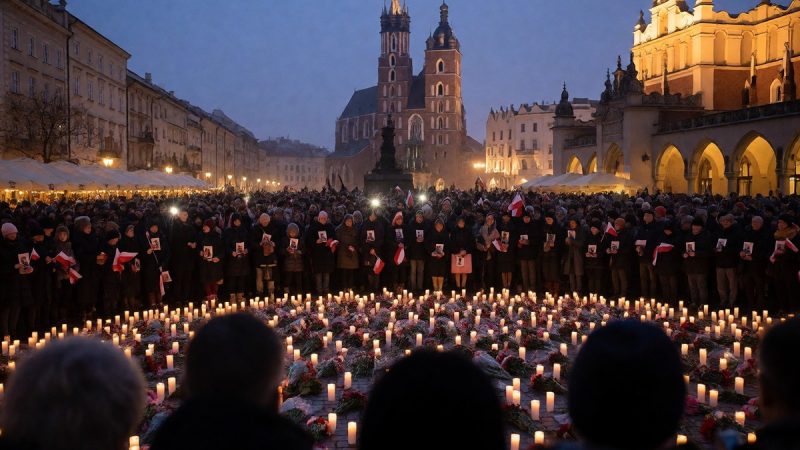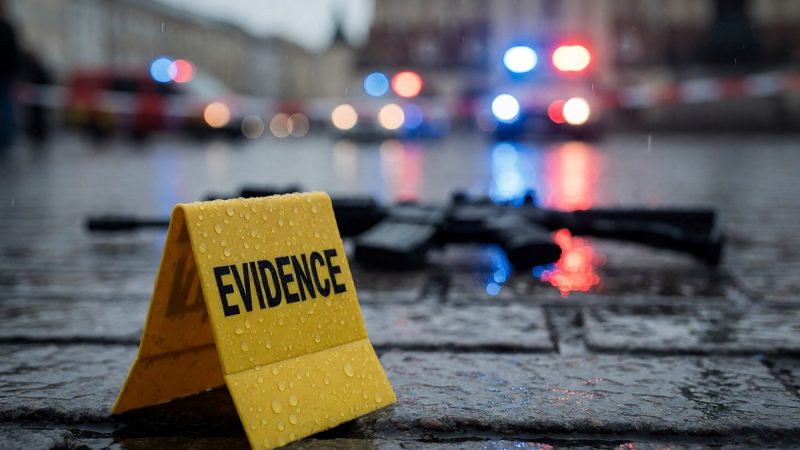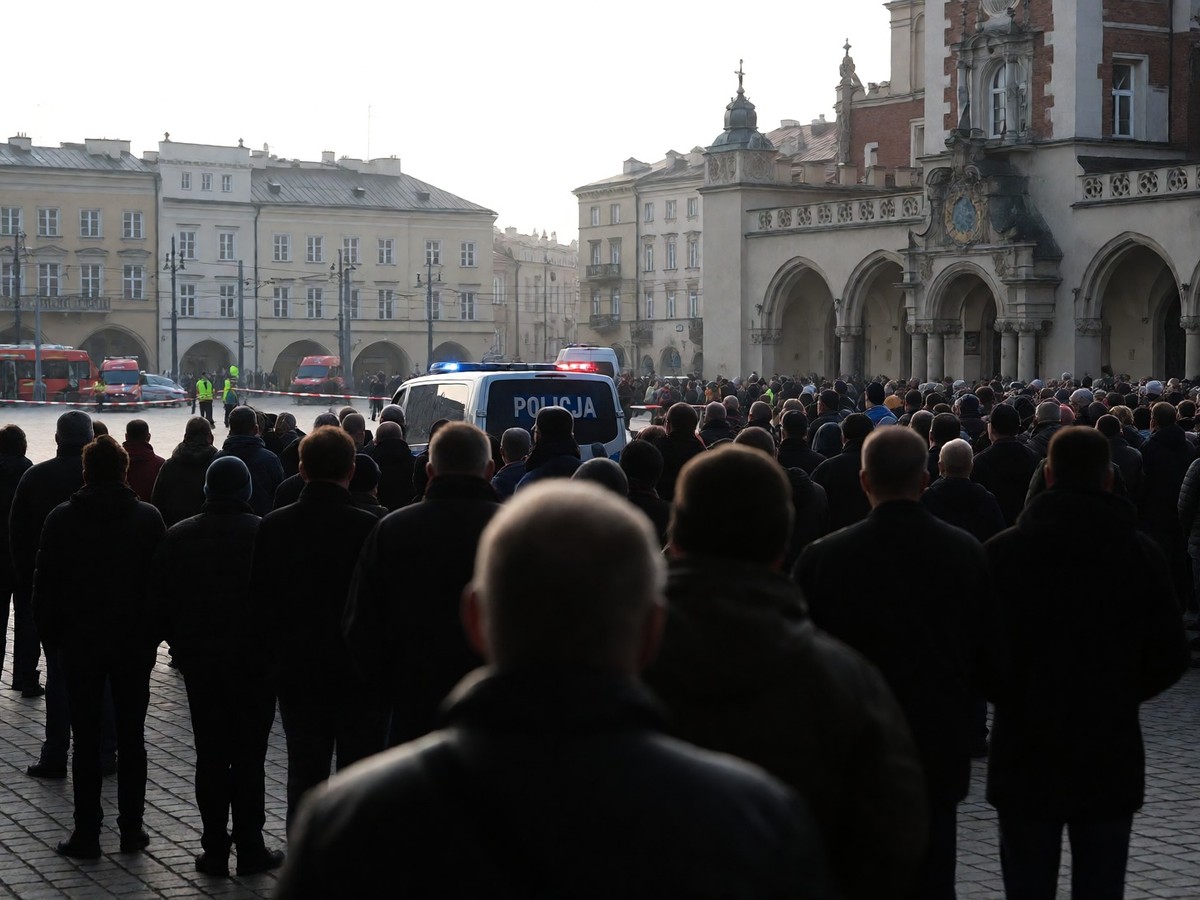
Michal Oksinski, the 24-year-old who killed six people in Krakow on Saturday, died in hospital on Monday morning after suffering serious injuries in a shootout with police. He had fired at random from his car near the Main Market Square, wounding fifteen others before officers Jakub Kulik and Artur Moranski engaged him. The two policemen remain in serious but stable condition, having been hailed as heroes for stopping the rampage. Investigators confirmed that Oksinski also murdered his parents and 21-year-old sister at their home in Ostrowiec Swietokrzyski before driving more than 160 kilometres to commit the attack. His motive remains unclear, though Interior Minister Marcin Kierwinski initially claimed the suspect held "very, very radical views" and was "fascinated by far-right ideologies." Prosecutors later stated that searches uncovered no evidence of active political or extremist involvement, leaving the question of why he acted alone still under investigation.
Regulatory gaps and rising ownership
Deputy defence minister Magdalena Sobkowiak-Czarnecka called for a debate on limiting the number and types of weapons civilians can own, arguing that the tragedy shows it makes no sense to talk about expanding access to firearms. She noted that obtaining a licence is already relatively easy for anyone aged 21 or over who passes relevant tests and declares sporting purposes. Both Oksinski and his father legally owned 11 firearms, a total that matched the permits held by the family. Deputy interior minister Czeslaw Mroczek said the event provides an incentive to revisit proposals to better register certain guns, specifically black powder weapons manufactured before 1885 and their modern replicas. These weapons are not currently subject to a register or permit procedure, yet researchers from Jagiellonian University report they make up a considerable proportion of firearm-related fatalities in the country. Mroczek acknowledged that while this issue is not directly related to the Krakow attacks, plans to include these weapons in a register had already been drawn up.
The context for these regulatory discussions includes a steady rise in civilian gun ownership, with registered firearms surpassing 1 million, up from around 380,000 in 2014. Last year, a record 50,709 new gun licences were issued, a 10.6% increase compared to the previous year. Licences for sports and collection purposes account for 76% of permits, but those for personal protection have grown from just 81 in 2021 to 7,254 last year. This expansion follows a 2023 law that removed administrative barriers, allowing members of uniformed services to apply for personal protection permits. President Karol Nawrocki recently argued that Poland remains at the bottom of the European Union list regarding access to firearms, with only about 1% of citizens holding weapons. However, a May report by the Supreme Audit Office warned of serious gaps in oversight, including the absence of mandatory periodic medical and psychological assessments for licence holders. Police found two AR-15 rifles, two handguns, and around 500 rounds of ammunition on Oksinski’s person and in his car, along with seven additional guns at his home.