New laser system enters Kyiv air defense
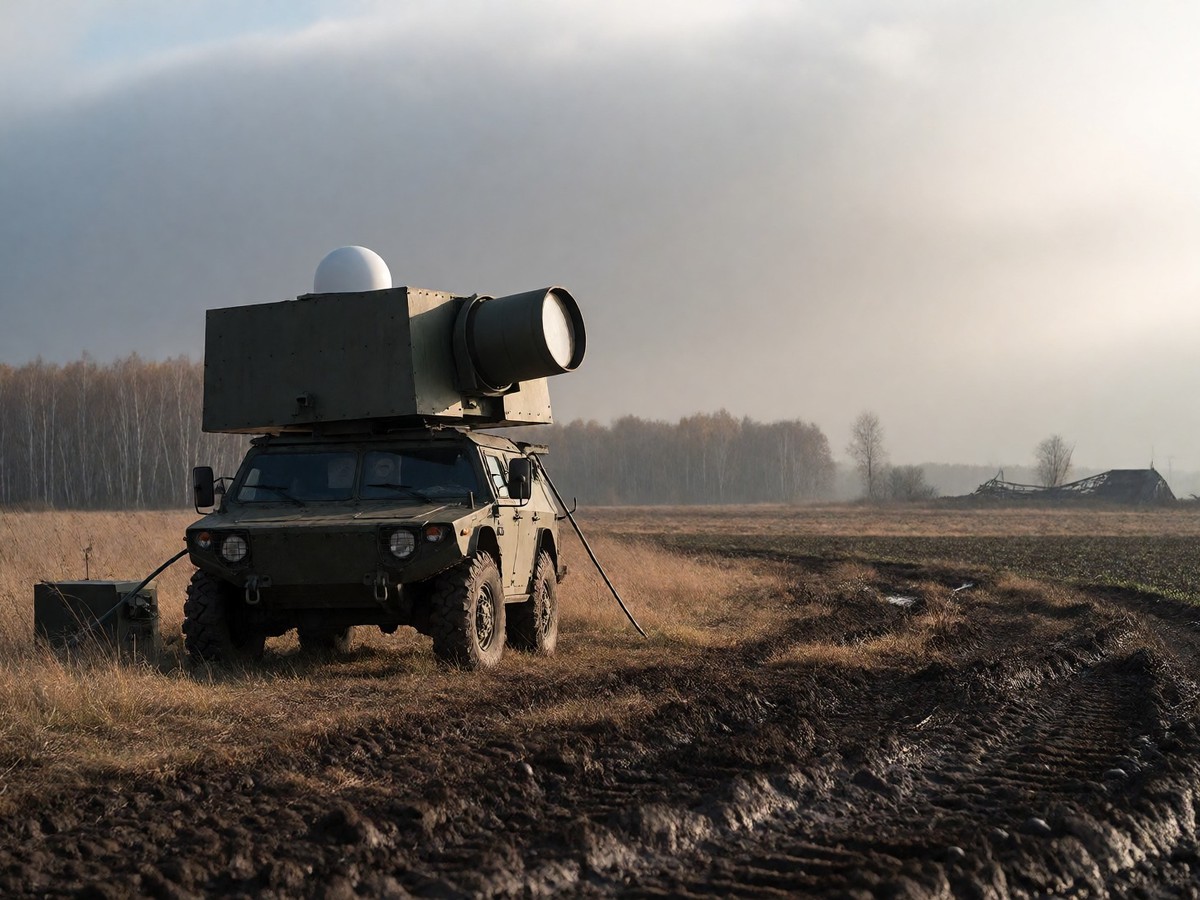
Carmine Sky deployed its new Blysk laser system in early November to help protect Kyiv from Russian drones, though the weapon has yet to engage its first target, leaving its effectiveness unproven. The system can burn through the hull of a Shahed type drone in a matter of seconds. This deployment falls under an experimental private air defense program launched by the Defense Ministry. The program authorizes about 100 companies nationwide to form air defense groups under Air Force operational control, with half of those companies forming active combat units. These private units use systems ranging from interceptor drones to automated gun turrets. As of October 14, these private air defense units had shot down more than 60 Russian aerial targets, primarily drones, according to the Defense Ministry. Mykhailo Fedorov, then Ukraine’s defense minister, said of the initiative, "We created a model where the state, military and business work as one system."
| System | Power Output | Effective Range |
|---|---|---|
| Blysk | 4 kilowatts | 1 kilometer |
| Iron Beam | 100 kilowatts | 10 kilometers |
Weather and technical limits
The Blysk system provides a cheaper way to counter Russian drone attacks because it requires electricity instead of costly interceptor drones or missiles. Carmine Sky told BBC News Ukraine that persistent cloud cover and fog over Kyiv prevented the Blysk laser system from effectively engaging Russian drones during its first days of deployment. Cloud cover and fog disperse the laser beam before it reaches a target drone. Operators at Carmine Sky remain hopeful that clearer skies will demonstrate the capability of the system. Precision tracking of a target with a laser can be difficult against agile drones.
The 4 kilowatt Blysk system compares to the Iron Beam, which the Israeli defense company Rafael delivered to the Israeli military in December 2025 following years of development and testing. As one of the first high powered laser air defense systems to enter military service, the 100 kilowatt Iron Beam intercepts drones, rockets, and mortar shells at distances of up to 10 kilometers. While the Blysk system has a reported effective range of up to one kilometer, the Iron Beam intercepts targets at much larger distances, reaching up to 10 kilometers.