New licensing requirements for Russian hardware
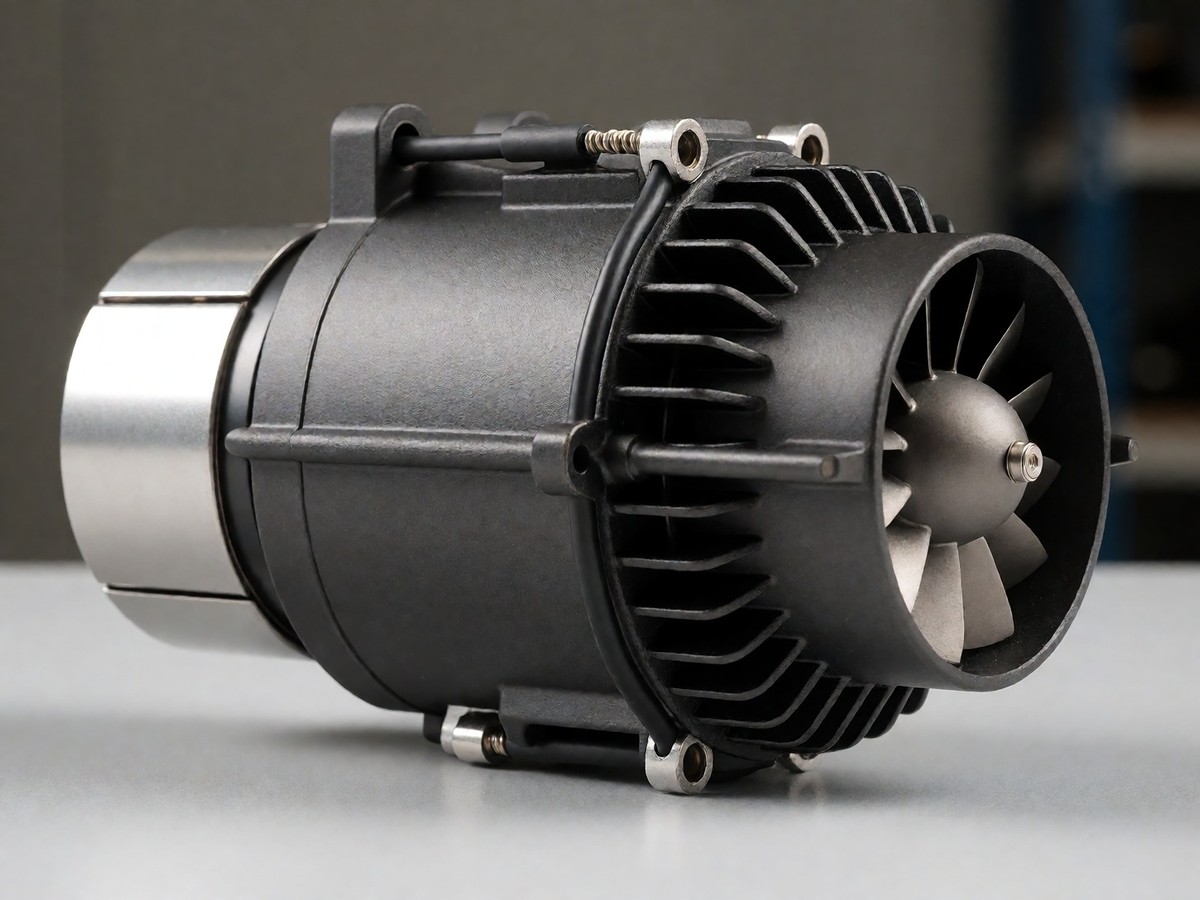
The new export controls on jet and electric engines provide the most effective restriction yet on the technology used in Russian strikes against Ukrainian energy infrastructure. China’s Commerce Ministry implemented these regulations on November 18 to restrict specific drone components used in Russian military manufacturing. These rules, announced in October, require exporters to obtain licenses for hardware used in the "Geran" series of jet-powered drones. The new rules target jet engines, electric engines, radio transmitters, and speed controllers. Both Russia and Ukraine rely on China for a wide range of drone components, but Russia increasingly substitutes Chinese parts for parts previously imported from the West.
| Component Category | Control Status |
|---|---|
| Jet and electric engines | Requires license |
| Radio transmitters | Requires license |
| Speed controllers | Requires license |
Unregulated components and rising drone production
Vladyslav Vlasiuk, Ukraine’s commissioner for sanctions, welcomed the new controls but noted that many components used in Russian drones remain unregulated. "We thank China for its new export controls on drone items," Vlasiuk said in a statement on social media. Vlasiuk pointed out that while the new controls cover jet-engines, UAV radio modules, heavy brushless motors, and speed controllers, they do not include anti-jamming antennas used in Geran-2 drones, navigation modules, HARXON antennas, gimbal cameras, or Chinese manufactured servos found in Geran-4 drones. Vlasiuk said the updated regulations encompass "only part of what matters for Russian weapons, but it is a start." He added that Ukraine has shared detailed information on these components and their Chinese manufacturers to encourage rigorous control.
Russia increases its use of jet-powered drones to strike Ukrainian civilian energy and logistical infrastructure because these models outpace the majority of Ukraine’s drone interceptors. These jet-powered drones prove significantly more difficult to shoot down than the older, piston-engined drones Russia used previously. Prime Minister Serhii Koretskyi told Radio Free Europe/Radio Liberty on November 16 that Russia has the capacity to launch up to 6,500 jet-powered Shahed-type drones at Ukraine in November. This potential volume is a 12-fold increase from the 530 drones Russia fired during August. The rapid scaling of production for these deadlier drones makes the current gap in Chinese export controls a significant vulnerability for Ukrainian air defense.