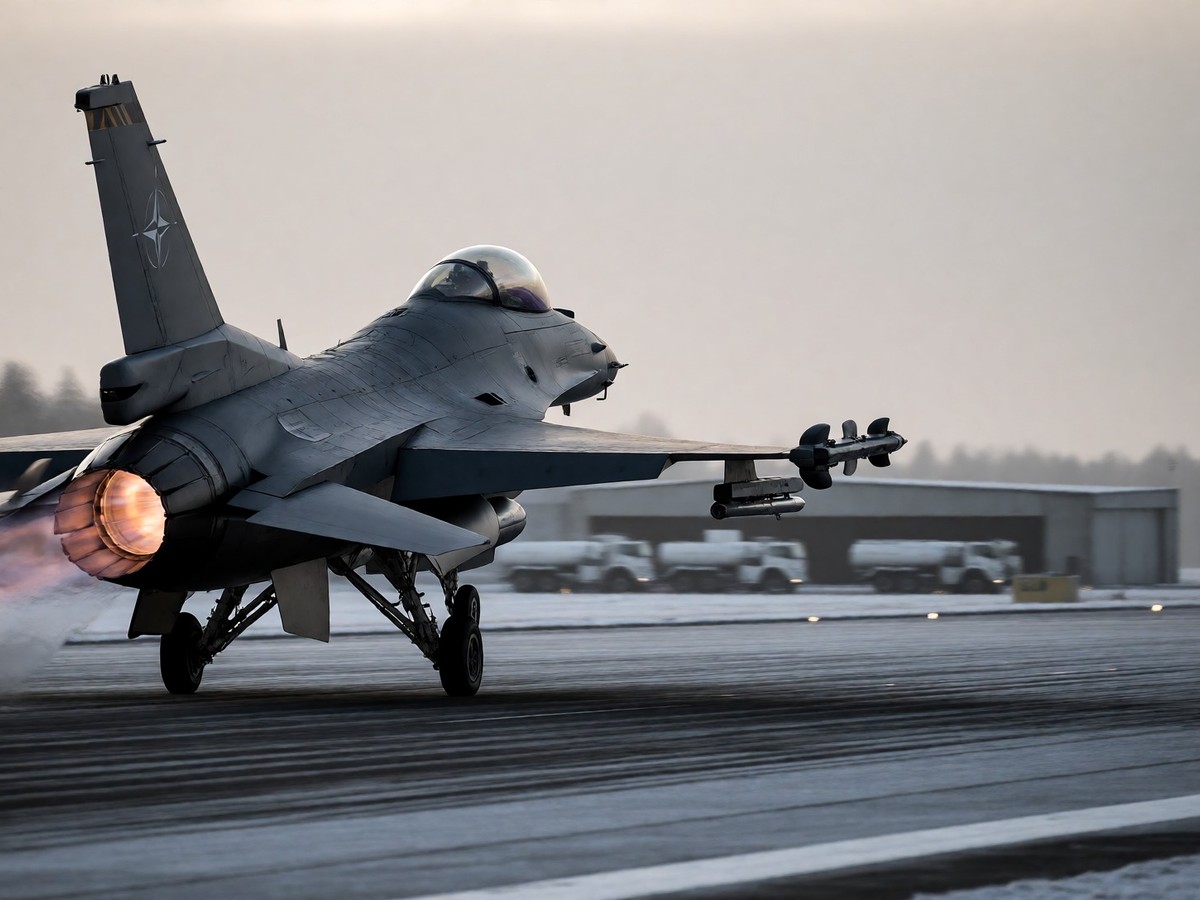
Fighter jet requirements and maintenance delays
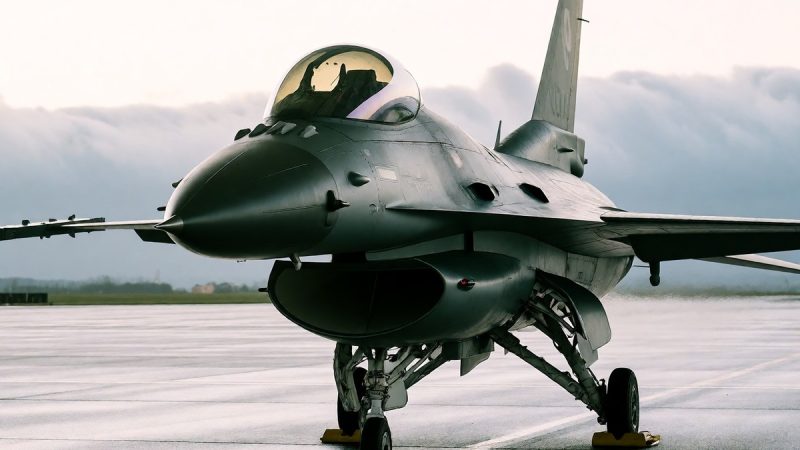
President Volodymyr Zelenskiy told the 37th Ramstein meeting in Brussels that he needs 40 more F-16 fighter jets. He told reporters on November 14 that the number of aircraft flying combat missions needs to rise 2.5-fold. Current F-16 pilots use the cannon to bring down Russia’s jet-powered Shahed drones, which fly too fast for many interceptor drones that work against older propeller models. The current maintenance situation in Belgium, where inspections can stretch to 40 weeks, means that more than half of Ukraine’s F-16s remain grounded instead of flying missions to intercept Russian jet-powered Shahed drones and missiles. I find the maintenance delay in Belgium to be a massive failure in meeting Ukraine’s urgent air defence needs.
Ammunition remains another constraint for the F-16 fleet. The jet carries an M61A1 20 mm multibarrel cannon with 500 rounds that fires up to 6,000 rounds a minute. Ukraine needs 800,000 rounds for a six-month period, but Denmark’s delivery of 50,000 rounds on October 22 covers only eight to 10 days of fighting. This supply covers about 100 full loads for the jets. Zelenskiy noted that Ukraine received only 24 air-defence missiles in 90 days, and the 500 PAC-3 interceptors Washington cleared for sale may not arrive until 2030. I think the reliance on thin ammunition supplies while waiting for a massive six-month requirement to be met is a desperate situation.
Detailed ally assistance and funding gaps
Allies pledged various amounts of hardware and money to address these shortages. Germany provided a previously announced €1bn air-defence package including IRIS-T systems, radars, interceptor drones, and 20 mm ammunition, plus a new $300mn for PURL. Norway promised about $800mn in total, including $150mn for air defence, $300mn for PURL, $300m for drones, and up to €11mn to counter Shahed drones. The PURL scheme faces a $2bn annual shortfall after Poland held back new funding, and allies are €7bn short of the €70bn they pledged for 2026.
| Country | Specific Commitments |
|---|---|
| Belgium | 10 F-16s by the end of 2026, air-defence missiles, and €1.1bn in support this year |
| France | Two Mirage 2000-5F jets, Thales GF300 radar, and 30 mm Mirage ammunition |
| Canada | Up to CAD45m for AIM-7, R-73, and R-27 missiles and 20 mm aircraft ammunition |
| UK | £240mn ($316mn) for air defence, including interceptors and radars |
| Denmark | €200mn for air defence and €645mn for drones and F-16 munitions |
| Netherlands | €500mn winter package and money for the Drone Line initiative |
The UK provided £240mn ($316mn) for air defence, including interceptors and radars. Canada provides up to CAD45m for AIM-7, R-73, and R-27 missiles through the Czech initiative, along with 20 mm aircraft ammunition and winter kit. France provides two Mirage 2000-5F jets and a Thales GF300 anti-ballistic radar by the end of 2026, as well as 30 mm Mirage ammunition. Spain committed more than €400m for drones and artillery shells, while Finland announced two packages totaling €291m, including air defence. Lithuania and Estonia both pledged aid exceeding 0.25% of their GDP for 2027, and Luxembourg promised €25mn for PURL by the end of 2026. Sweden will provide $71m, including $20m for PURL and $18m for the Czech initiative. Portugal pledged €5m for PURL, €1m for the NSATU Trust Fund, and €3m for Nato’s Comprehensive Assistance Package.
Defence Minister Yevhen Khmara said the biggest priority this winter is protecting the skies and set a goal to double drone supplies in 2027. Partners agreed that 62% of priority funding should go to drones.