Centralized enforcement
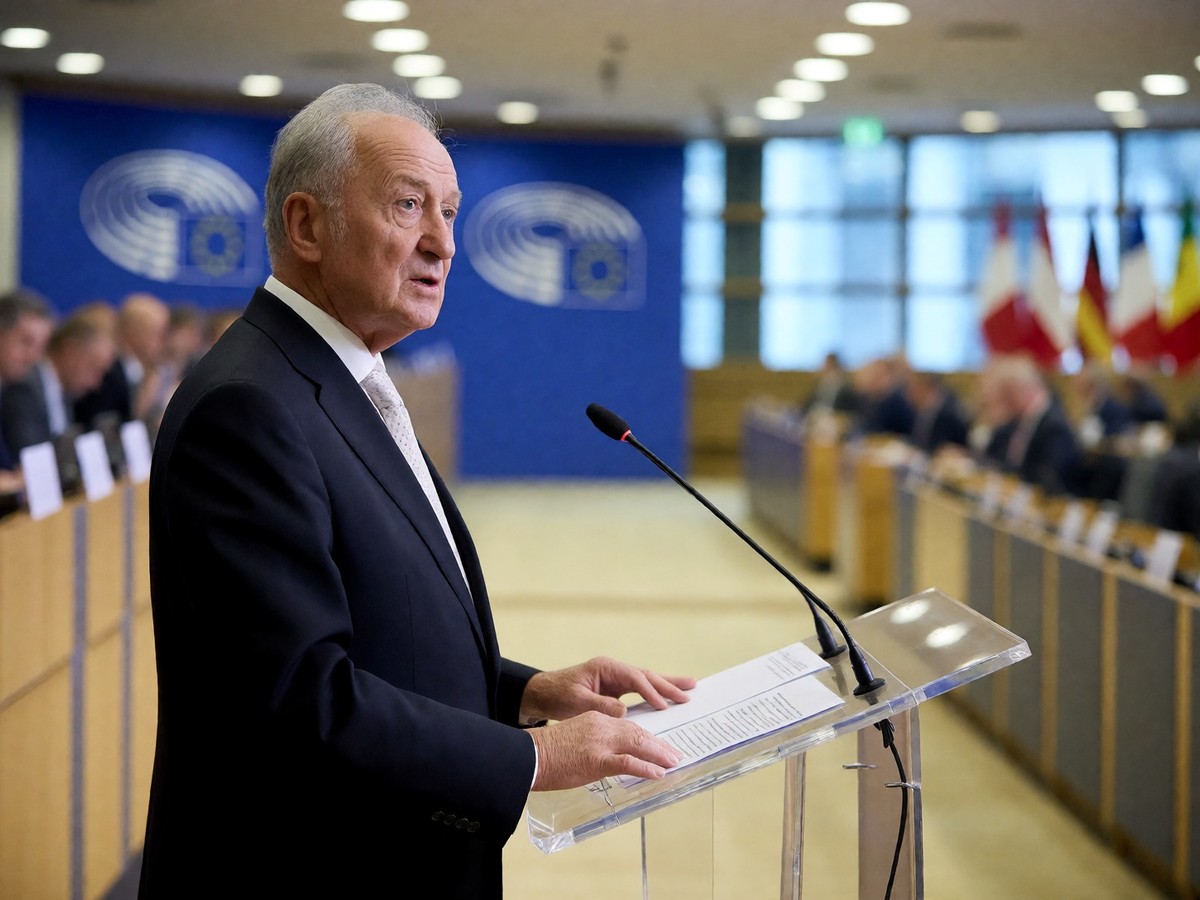
The European Commission created a dedicated sanctions office on Nov 18. This move shifts the EU sanctions policy focus from identifying new companies to list toward ensuring the bloc enforces restrictions in Europe and third countries. EU Finance Commissioner Maria Luis Albuquerque said in a press release that the office will "reinforce implementation, close loopholes, and prevent circumvention." David O’Sullivan, who received Ukraine’s Order of Merit in July 2026, will hand his duties to Swedish diplomat Lars Danielsson on Feb 6, 2027. The new office will consolidate the work of roughly 45 people currently scattered across the EU machinery in Brussels to create a unified team of 50 to 60 staff members for better enforcement. I think this centralized structure provides the technical assistance EU countries need to monitor national level sanctions breaches and scrutinize many carve-outs requested by the 27 EU countries. O’Sullivan, a lifelong diplomat, led the sanctions policy against Russia in the wake of its 2022 full-scale invasion of Ukraine. He managed the many measures that together constitute the largest sanctions regime in the world.
Expanded remit and staffing
| Envoy Role | Name | Start Date |
|---|---|---|
| Current Envoy | David O’Sullivan | N/A |
| New Envoy | Lars Danielsson | Feb 6, 2027 |
Lars Danielsson will oversee an expanded remit that includes sanctions against North Korea and Iran. He will take over when the term of David O’Sullivan ends. I consider the previous system of 45 people working informally across Brussels to be an inefficient mess that hindered the ability to close loopholes. A senior EU official told the Kyiv Independent that the office needs more staffing to help analyze and enforce rules against Russia and other targeted nations. This personnel increase allows the envoy to persuade third countries in Central Asia and the Middle East to enforce restrictions. The EU previewed the office on Nov 6. The agency will monitor sanctions breaches that take place at the national level. The office aims to properly scrutinize the many carve-outs requested in sanctions by the 27 EU countries. With 50 to 60 staff, the office will do more analysis and enforcement against Russia and other countries. The office will provide technical assistance to EU countries that need help with enforcement.