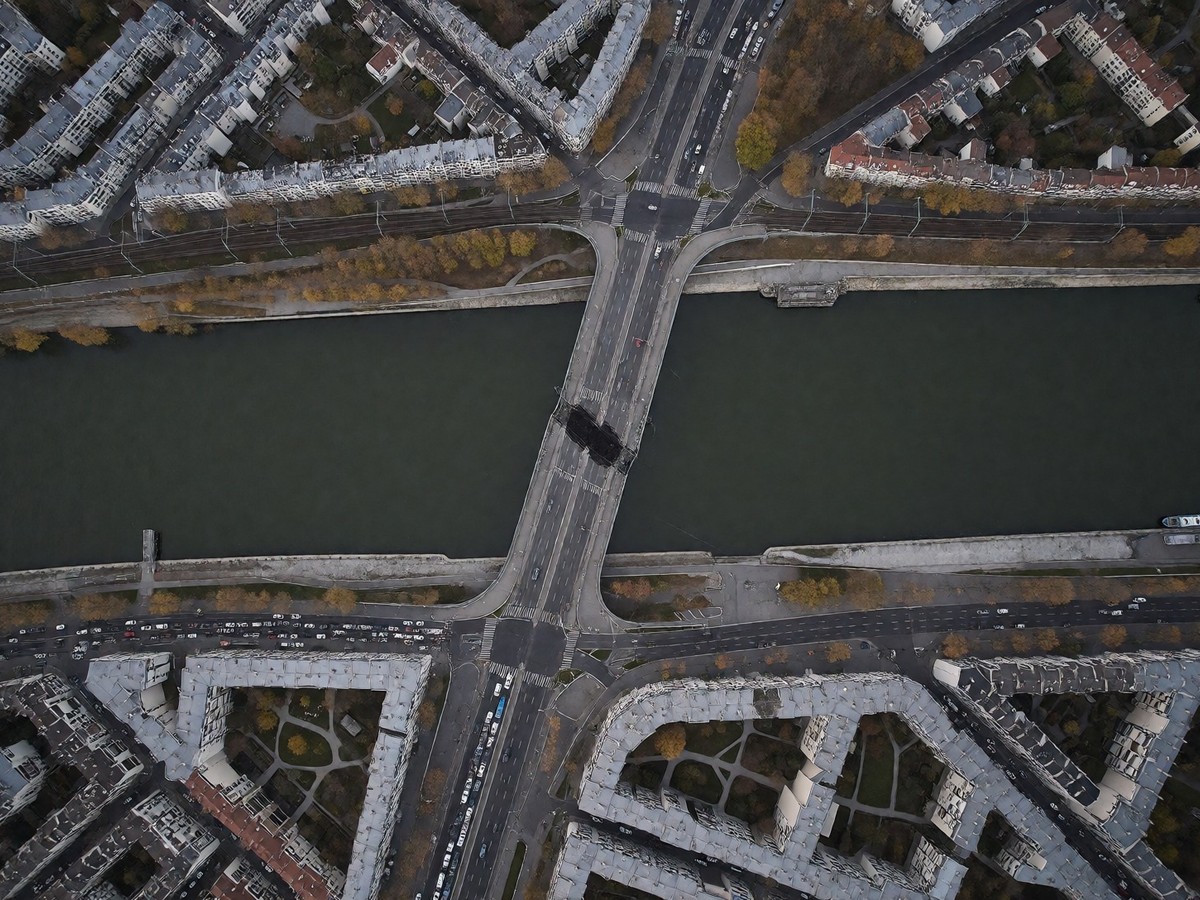
Six ballistic missiles struck the Northern Bridge on November 7, damaging the roadbed and forcing closure in both directions. This attack followed the October 27 strike on the Southern Bridge, which closed road traffic and interrupted metro services between Osokorky and Chervonyi Khutir. During the wider overnight assault, Russian forces launched 36 ballistic missiles against Ukraine, but officials reported that only four were intercepted. The strikes also damaged energy infrastructure supplying the capital, leaving approximately 600,000 daily vehicles stranded by the loss of critical transport links.
A Frankenstein weapon built from scrap
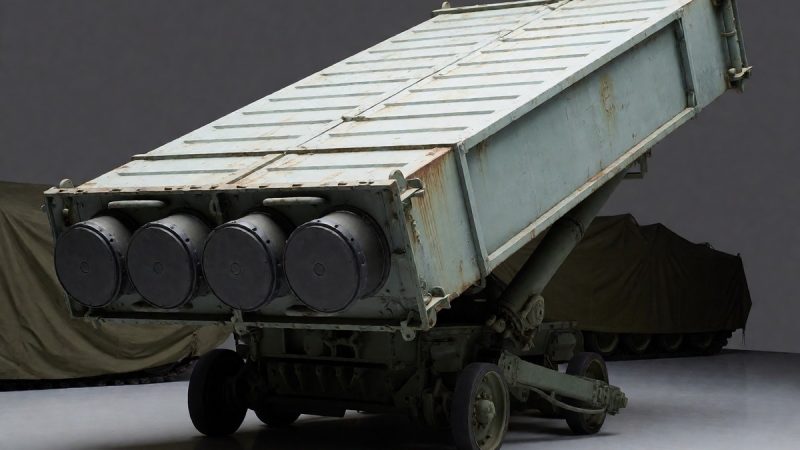
Ukraine’s military intelligence directorate (HUR) identified the RM-48U as a "ballistic Frankenstein" assembled from recycled S-300 and S-400 air-defence components. The missile uses a solid-fuel engine from the 48N6DM surface-to-air missile and a tail section from the 48N6E2 export model. Its instrument compartment incorporates parts from 9M96 and 48N6E2 missiles, creating a 7.5-metre-long weapon with a 0.5-metre body diameter. HUR noted that 117 foreign electronic components were found inside the system, including 95 attributed to US brands and four to Taiwan.
The RM-48U travels at Mach 4 to 6 along a ballistic trajectory with a maximum operational range of 400 km. It carries a 199 kg high-explosive fragmentation warhead containing pre-formed metal cubes designed to spread destructive fragments across a wide area. An autonomous strapdown inertial navigation system supported by Russian Kometa-R12 satellite receivers guides the missile to its target. HUR estimates Moscow’s stockpile at approximately 400 missiles as of August, with production running at roughly 40 to 50 missiles per month.
Russia intends to produce more than 480 RM-48Us in 2026, compared with just over 200 in 2025. In July, Russian forces launched a record 158 ballistic and hypersonic missiles against Ukraine, including 87 RM-48Us. Another 36 RM-48Us accounted for part of the 70 missiles launched during the first eight days of August. This volume allows Moscow to conserve expensive Iskander-M missiles, North Korean KN-23 missiles, and Zircon hypersonic weapons for future strikes on energy infrastructure.
Accuracy costs and economic strain
Ukrainian military experts estimate the RM-48U deviates from its intended target by about 300 metres on average. This poor accuracy makes it significantly less precise than the Iskander-M and increases danger to civilians in densely populated areas. Investigators linked the weapon to an August strike on a railway platform in the Brovary district that killed eight people, though Reuters could not independently verify those findings. Pro-Kremlin blogger Yuri Podolyaka dubbed the missile the "Kyiv bridge killer," claiming a salvo of five or six units could disable a crossing for weeks.
Ukraine faces a growing disadvantage in the cost of defending against this campaign. Patriot air-defence systems remain the principal reliable defence, but their interceptors are expensive and in short supply. Denys Shtilerman, chief designer of Fire Point, stated on October 31 that the company’s FP-7 ballistic missile costs approximately $600,000 to deliver a 200 kg payload over 300 km. A drone capable of delivering a similar payload over that distance costs approximately $50,000, making the missile around 12 times more expensive.
Shtilerman argued that using the FP-7 with a conventional high-explosive warhead makes "no economic sense at all" at current costs. He suggested a cluster-warhead version could improve economics by distributing the destructive payload across a wider area. The RM-48U is clearly cheaper than purpose-built alternatives, giving Moscow another means of maintaining pressure on Ukraine’s infrastructure. With winter approaching and interceptor stocks under strain, the campaign shows how ageing weapons impose substantial logistical costs when deployed in sufficient numbers.