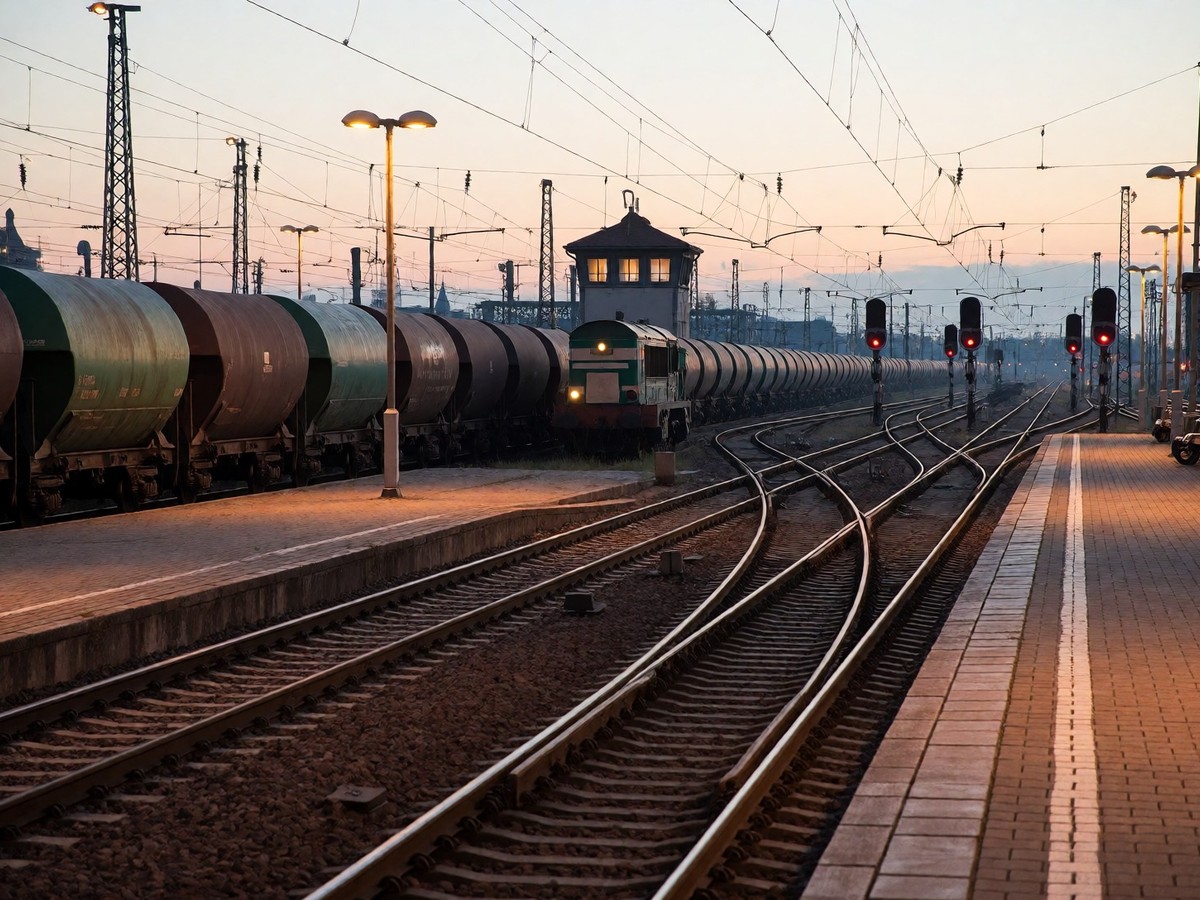
I see clear benefits in the increased Ukrainian agricultural transit through Poland, Slovakia, and Hungary. Kharchenko from UkrAgroConsult notes that railway and road transport companies, transshipment terminals, and logistics operators gain from higher cargo volumes and increased revenues. Poland may also gain from additional Ukrainian grain shipments handled through Baltic Sea ports. However, these flows cause heavy pressure on border crossings and railway networks. Ukrainian Railways reported that more than 20,000 freight wagons accumulated along routes leading to western borders in late October, with waiting times exceeding 20 days on some routes. The longest queues exist at the borders with Poland and Slovakia. Jakub Olipra, a senior economist at Credit Agricole Bank Polska, says the existing rail infrastructure on both sides of the border is not prepared to handle these large volumes of Ukrainian agricultural exports. He notes that insufficient transshipment capacity, differences in railway gauges, and Russian attacks on Ukraine’s railway infrastructure created similar disruptions in 2022. Kharchenko says that growing transit flows place additional pressure on border crossings, railway networks, and port infrastructure. Poland’s Infrastructure Ministry did not respond to a request for comment regarding the conditions of cross-border cargo transportation.
| Metric | Detail |
|---|---|
| Accumulated freight wagons | Over 20,000 |
| Maximum waiting time | Exceeding 20 days |
| EU wheat sales cap | 1.3 million tonnes |
| Zilina junction food shipment share | Approximately 80% |
The direct impact of increased transit on domestic grain prices remains limited because Poland and Hungary continue to maintain restrictions on imports of major Ukrainian grain crops. These neighbors banned Ukrainian grain exports several years ago because local farmers fear that Ukrainian agricultural products could enter their domestic markets. Ukrainian farmers can still sell grain in other EU countries, though Brussels caps wheat sales to the bloc at 1.3 million tonnes a year.
Zilina junction capacity failures
The situation at the Slovakian border is particularly poor. Cargo Slovakia reports that agricultural commodity volumes in September and October reached their highest levels since 2023. Silvia Kuncova, director of the company’s CEO office, says that approximately 80 per cent of these food shipments pass through the Zilina railway junction. The conversion of the traction power supply system at this junction reduced railway line capacity. A fire also broke out at the junction following the conversion, which restricted rail freight operations for two weeks. Kuncova says the company could not accommodate and transport the exceptionally high volumes of agricultural commodities within the required timeframe or the extent requested. The blockade of Ukraine’s Black Sea ports also increased the volume of other commodities across the Ukrainian-Slovak border, which led to even greater utilisation of the available railway network capacity.