Death in a Murmansk penal colony
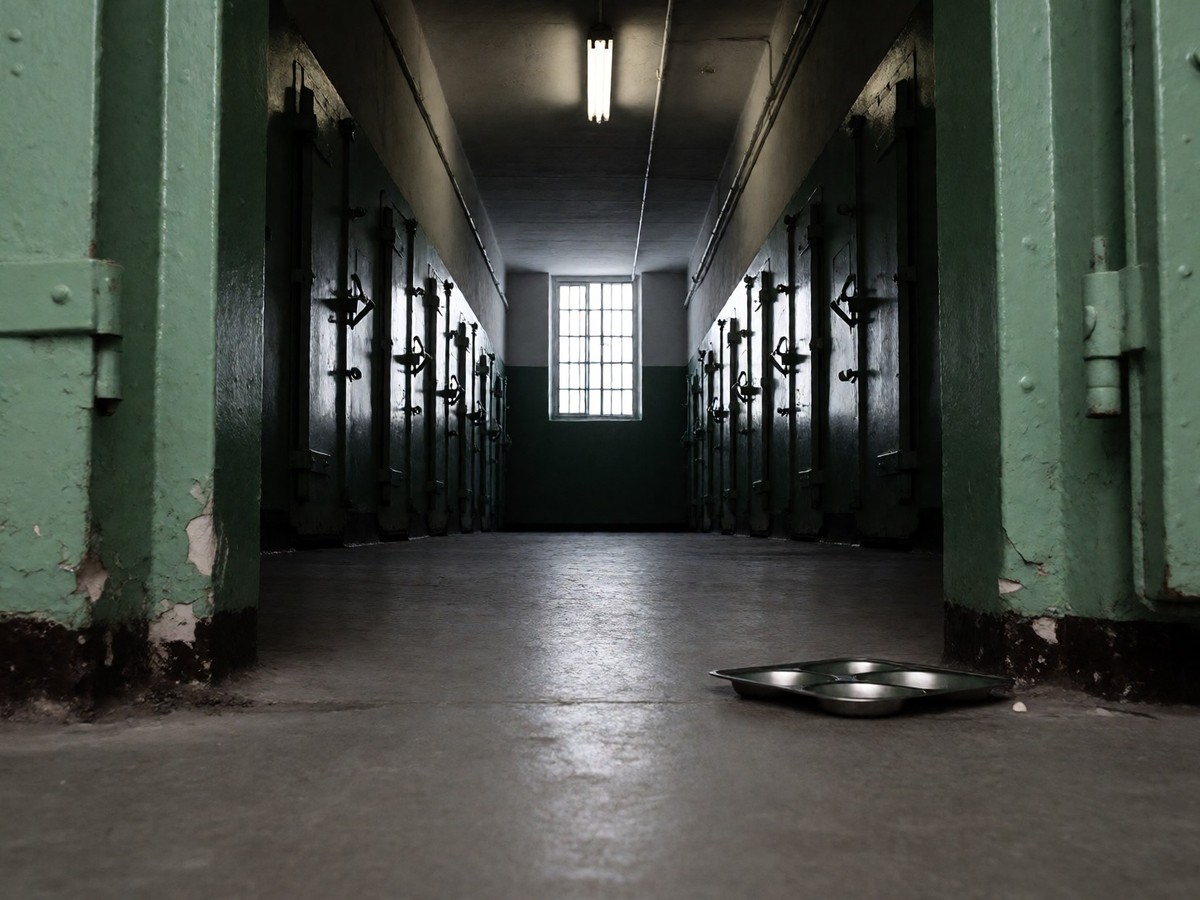
Eskender Bariyev, chairman of the Crimean Tatar Resource Center, reported on November 28 that 56-year-old Jebbar Bekirov died in a Russian penal colony in Murmansk. Bekirov, who worked as a cook from the Sevastopol area, was arrested on August 17, 2021, following a series of searches of Crimean Tatar homes by Russian occupation authorities in connection with the so-called second Sevastopol Hizb ut-Tahrir group case. The Islamist group Hizb ut-Tahrir has a following among Crimean Tatars but is not banned in most European countries. I find the details of his declining health, including his vitamin D deficiency and dental issues, to be a direct consequence of the limited access to nutritious food he reported in prison. His wife, Diliara Bekirova, reported his health was failing in July 2025 while he was in a prison in Vladimir. He had previously reported deteriorating health and food shortages in prison, including limited access to nutritious meals. Bariyev did not disclose the specific cause of death. He noted that Bekirov had turned 56 in April. President Volodymyr Zelensky condemned the 2021 searches and arrests as a blatant violation of human rights, and Ukraine’s Foreign Ministry lodged a protest with Russia at that time.
Sentencing and prisoner statistics
A Russian military court in Rostov-on-Don sentenced Bekirov to 17 years in prison in May 2023. Three other defendants in the same case, Rustem Murasov, Zavur Abdullaiev, and Rustem Tairov, each received 12-year sentences. I observe that Bekirov is the fourth Crimean political prisoner to die in Russian custody, following the deaths of Konstantin Shiring, Dzhemil Gafarov, and Rustem Virati. Bariyev called for an investigation into the death. He stated that Russia holds responsibility for the health and lives of those it has unlawfully imprisoned in its territories. Bariyev noted that as of early November, Russia was holding 385 Crimean political prisoners. This number includes 113 Crimean Tatars and 116 defendants in Hizb ut-Tahrir cases, according to Bariyev. I see a pattern in the prosecution of Hizb ut-Tahrir members, as Russian authorities routinely prosecute alleged members of the Islamist organization on terrorism charges for activities that are not banned in most European countries. Crimean Tatars have faced systematic persecution by Russian occupation authorities since the illegal annexation of Crimea in 2014.