The 1932-1933 genocide
Ukraine observes the Day of Remembrance of the Victims of the Holodomor on this fourth Saturday of November, November 28, 2026. The nation commemorates the millions who died during the 1932-1933 famine, which was the deadliest of three major 20th-century famines in Ukraine, alongside those occurring in 1921-1923 and 1946-1947. The 1932-1933 famine, which was the deadliest of three major 20th-century famines in Ukraine including those in 1921-1923 and 1946-1947, is recognized by Ukraine and several other countries as a genocide of the Ukrainian people carried out by the government of Soviet dictator Joseph Stalin. The tragedy followed the forced collectivization of farms and a campaign known as "dekulakization," which involved mass repression, property confiscation, and the deportation of relatively wealthy and independent peasants known as "kulaks" and their families.
Famine mechanics and consequences
Soviet authorities confiscated grain that Ukrainian farmers had grown and used numerous "in-kind fines" and searches of homes to strip families of their remaining food supplies. In December 1932, the government banned food trade in 82 districts of Ukraine and also halted the supply of manufactured goods. This 22-month famine caused the deaths of approximately 4 million people according to official Ukrainian figures. The Ukrainian Institute of National Remembrance reports that children were particularly hard-hit by the famine, specifically noting that nearly two-thirds of schoolchildren did not return to their classrooms in September 1933. The regions hardest hit by the famine included Poltava, Cherkasy, Kirovohrad, and Kyiv.
| Famine Period | Estimated Deaths |
|---|---|
| 1932-1933 | Approximately 4 million |
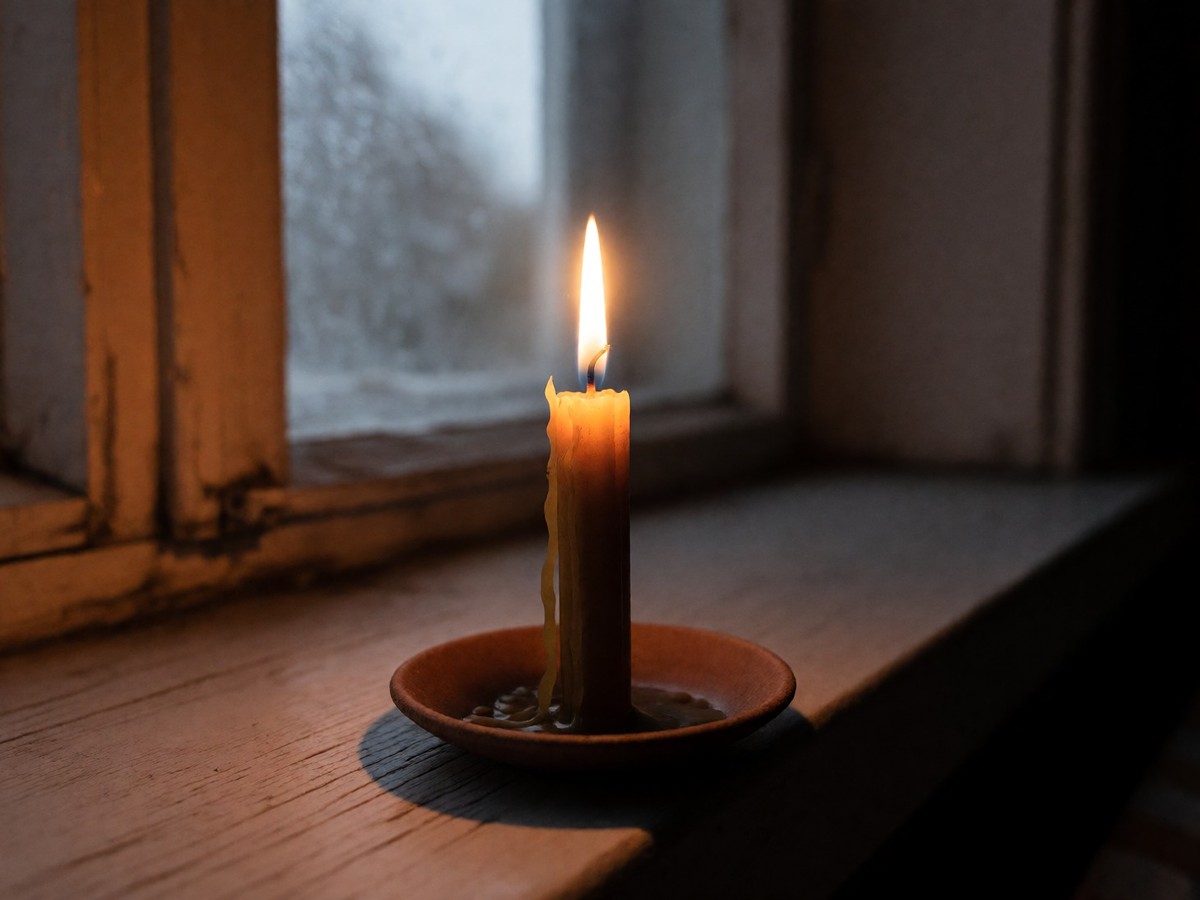
While communist rule made the Holodomor a taboo subject for decades because discussing the famine was strictly forbidden, research into the man-made tragedy began only in the late 1980s. To honor the millions of people who died in this man-made famine, Ukrainians traditionally light candles in their homes and observe a nationwide minute of silence at 4 p.m. during commemorative events held across the country.