Compliance and the 22nd sanctions package
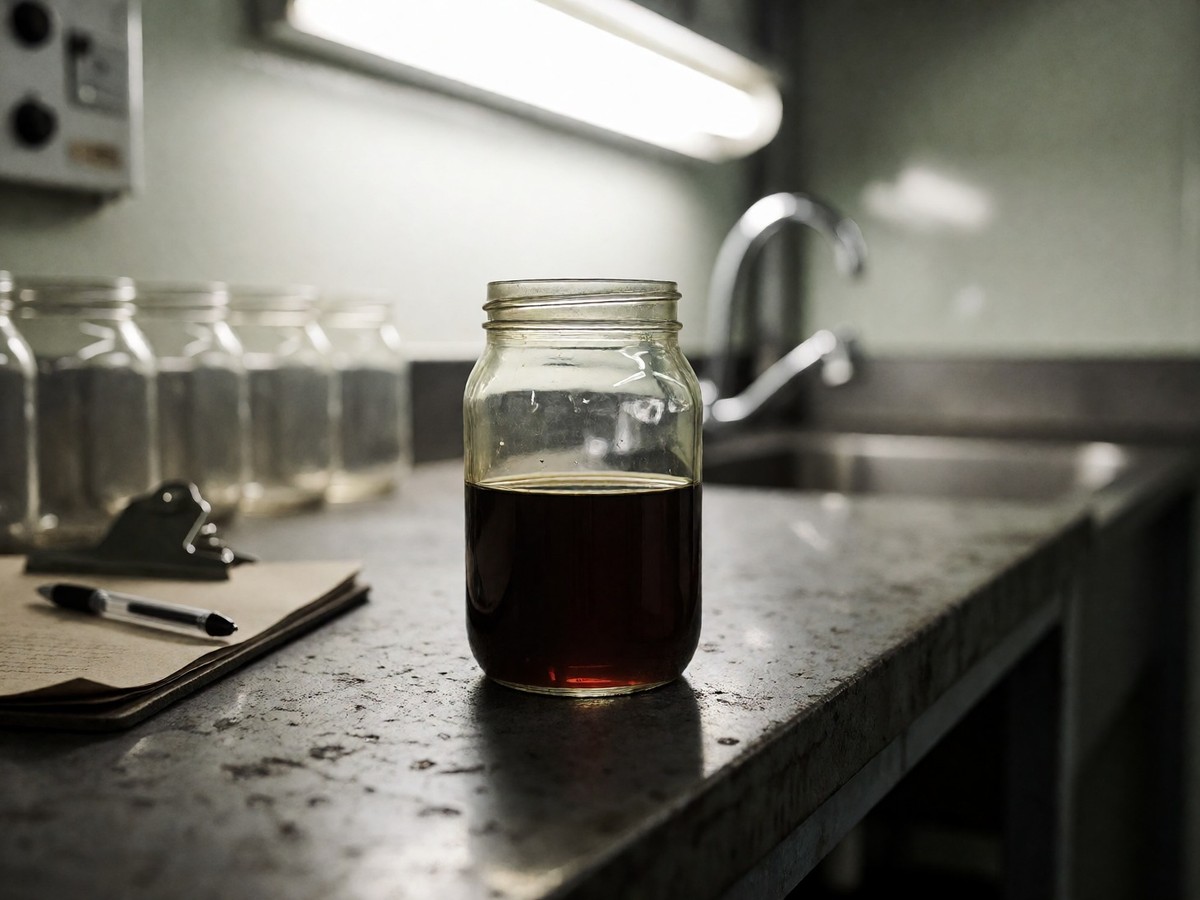
Ursula von der Leyen unveiled the 22nd Russian sanctions package on Monday, recommending that EU member states remove Georgia’s Kulevi refinery from the list of sanctioned entities because the facility successfully stopped processing Russian crude oil to meet EU requirements. The refinery received a conditional sanction in July, which gave Kulevi and its parent company, Black Sea Petroleum, six months to end all dealings with Russian oil. The EU imposed a transaction ban on Kulevi in July, and the refinery has claimed compliance with EU demands since late August. The refinery’s parent company, Black Sea Petroleum, also stated it stopped processing Russian crude. This transition to other sources resulted in approximately 352,000 tonnes of Libyan crude imports over the last three months. Kulevi expects a fifth shipment of Libyan crude in December. The Commission used Kulevi as an example of how the threat of EU sanctions can be effective, whereas the Commission accuses Kyrgyzstan of repeatedly helping Russia circumvent restrictive measures.
| Metric | Detail |
|---|---|
| Sanction Month | July |
| Compliance Month | August |
| Libyan Crude Imports | 352,000 tonnes |
| Next Shipment | December |
| Production Target | 2028 |
Political reaction and next steps
EU member states must now assess the Commission’s proposal, and they must reach a unanimous decision to adopt any new measures. Georgian Prime Minister Irakli Kobakhidze hailed the news on Tuesday, calling it a "concrete decision by the European Commission that can only be welcomed." He noted that opposition politicians and their media outlets previously spoke "enthusiastically and jubilantly" about Kulevi being placed on the sanctions list. Roman Gotsiridze, a Georgian economist and former National Bank Governor, told OC Media that the EU intention to remove the refinery is "very welcome news" and noted that the refinery honored its commitment to stop using Russian oil by importing crude oil from Libya. If the refinery continues to develop and starts producing diesel and petrol in 2028, Gotsiridze said this would represent a positive step forward. This removal remains unconfirmed because every EU sanctions decision requires unanimity, meaning the decision to remove Kulevi from the sanctions list is not yet guaranteed.