Protests in Aachen against forced returns
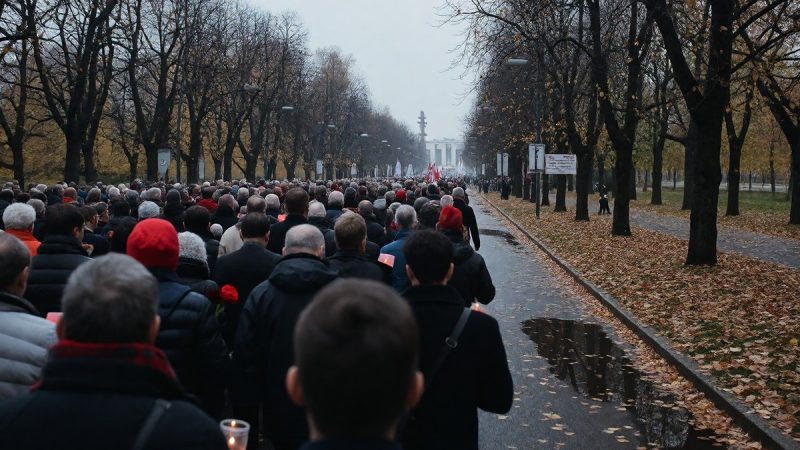
Activists in Aachen held a protest outside the immigration office on Wednesday to demand that the German government halt deportations for refugees who face danger in their home country. Roza Dunaeva, a human rights activist and representative of Ichkeria, claims that more than 100 Chechen families in Germany face deportation. She noted that Said Abuev and Muslim Alhazov received orders to leave Germany in November and that Chechen authorities maintain "execution lists" containing both men. Dunaeva also reported that Germany has deported 15 Chechens since the beginning of 2026, with a total of 35 Chechens deported from European countries to Russia during that same period. These deportees traveled to Russia through Georgia, Serbia, and Turkey. The activists demand that authorities examine every case individually, provide refugees with access to lawyers, and take the interests of underage children into account. Dunaeva said she personally knows five families who experienced prisons and torture and now face forced departure. She noted that some of these people had lived in Germany for up to 20 years. In August, diaspora members protested against deportations outside German embassies in Bern and other European cities. On 21 October, a similar protest took place in Vienna where participants handed German diplomats an appeal for the careful examination of asylum applications.
Declining asylum protection and security risks
| Category | Statistic |
|---|---|
| Chechen asylum protection (2023) | 21.1% |
| Chechen asylum protection (2025) | 3.9% |
| Russian citizens deported in 2026 | 246 |
| Chechens deported from Germany in 2026 | 15 |
Statistics from the migration office published by New Dosh Media show that only 21.1% of Chechen asylum seekers received protection in 2023, compared with 3.9% between January and November 2025. According to figures published by New Dosh Media, Germany has deported 246 Russian citizens to Russia since the start of the year, but German authorities have not specified how many of those individuals were Chechen. In 2023, German authorities received 6,473 asylum applications from Russian citizens, and Chechen applications often accounted for up to three-quarters of that total. In September, Dunaeva reported the deportation of seven Chechens from Germany who had provided evidence of persecution but were refused protection. German authorities did not make the reasons for those refusals public.
The German government acknowledged in response to a parliamentary question that people from Chechnya face particular risks in Russia, including torture, abductions, and persecution by security forces. However, authorities also classify some Chechen applicants as being at risk because of suspected Islamist radicalisation. Diaspora representatives discussed these safety concerns at an OSCE meeting on the prevention of torture in August. Dunaeva said she has learned of at least 21 people from the Caucasus who died after being deported to Russia over the last seven to eight years. Activists are calling for European countries to uphold the principle of non-refoulement to prevent the return of individuals to countries where they face a risk of ill-treatment.