Split schools and cafes
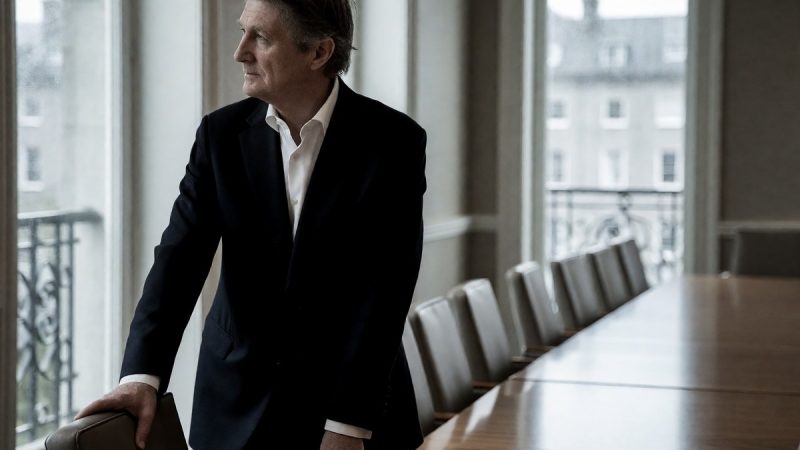
The city of Vukovar is restored but remains divided 35 years after the 1991 fall. Croatian and Serbian children still attend separate schools, and local cafes divide into "Serbian" and "Croatian" establishments. Puhovski recalls entering a "Serbian" cafe a few years ago where a waiter, recognizing him from television, called him a "decent Croat" but noted he had walked into a "Serbian" cafe. That waiter did not even charge him for his coffee in the end, Puhovski recalls. The issue of separate schooling originally stemmed from minor, pragmatic considerations to ensure that a few teachers who were unwilling to teach in Croatian would not lose their jobs. These original practical decisions eventually created complications for everyday life. Puhovski says that while tensions are lower and there are fewer conflicts, the city fails to function as a cohesive urban entity. I find the city’s inability to act as a single urban entity quite striking.
The burden of memory
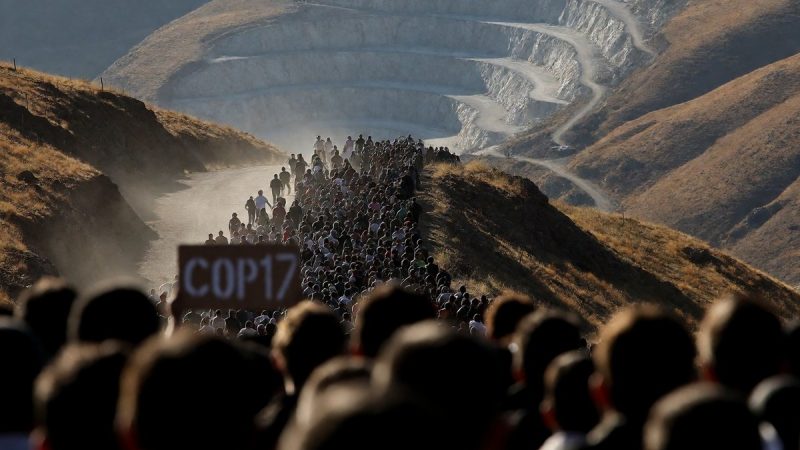
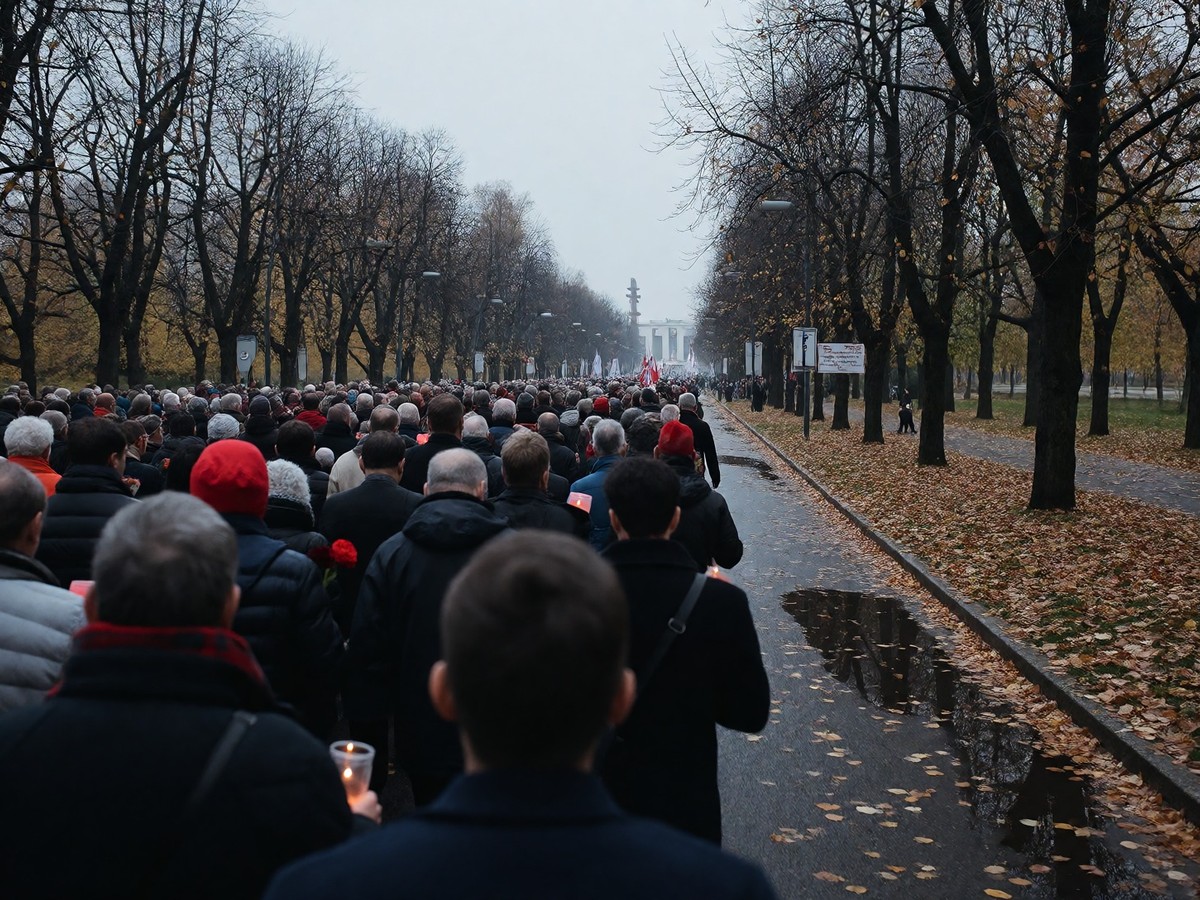
The annual Remembrance Procession draws thousands of participants from across Croatia every November. This march goes from Vukovar Hospital to the Memorial Cemetery to honor those killed during the 1991 siege and the town’s fall. Puhovski notes that twenty years ago, far fewer people took part in the Remembrance Procession, there was less public discussion, and people were less inclined to interrupt their daily routines. He views the procession as an outward manifestation of a truly disastrous reality, observing a reversal of chronology where Croatia moves closer to the wartime era instead of further away from it. He compares the situation to Strasbourg, which changed hands several times, but normalized by the 1960s, only 15 years after the war. The immense burden of Vukovar as a symbol weighs increasingly heavily on the city during the month of November. I find the lack of progress in Vukovar compared to the normalization of Strasbourg to be a disappointing reality. While community relations in other parts of Croatia normalize, the city remains stuck. Each year, a few dozen reports exist regarding damage to cars with Serbian license plates in tourist areas, even though tens of thousands of such vehicles arrive in those same regions.