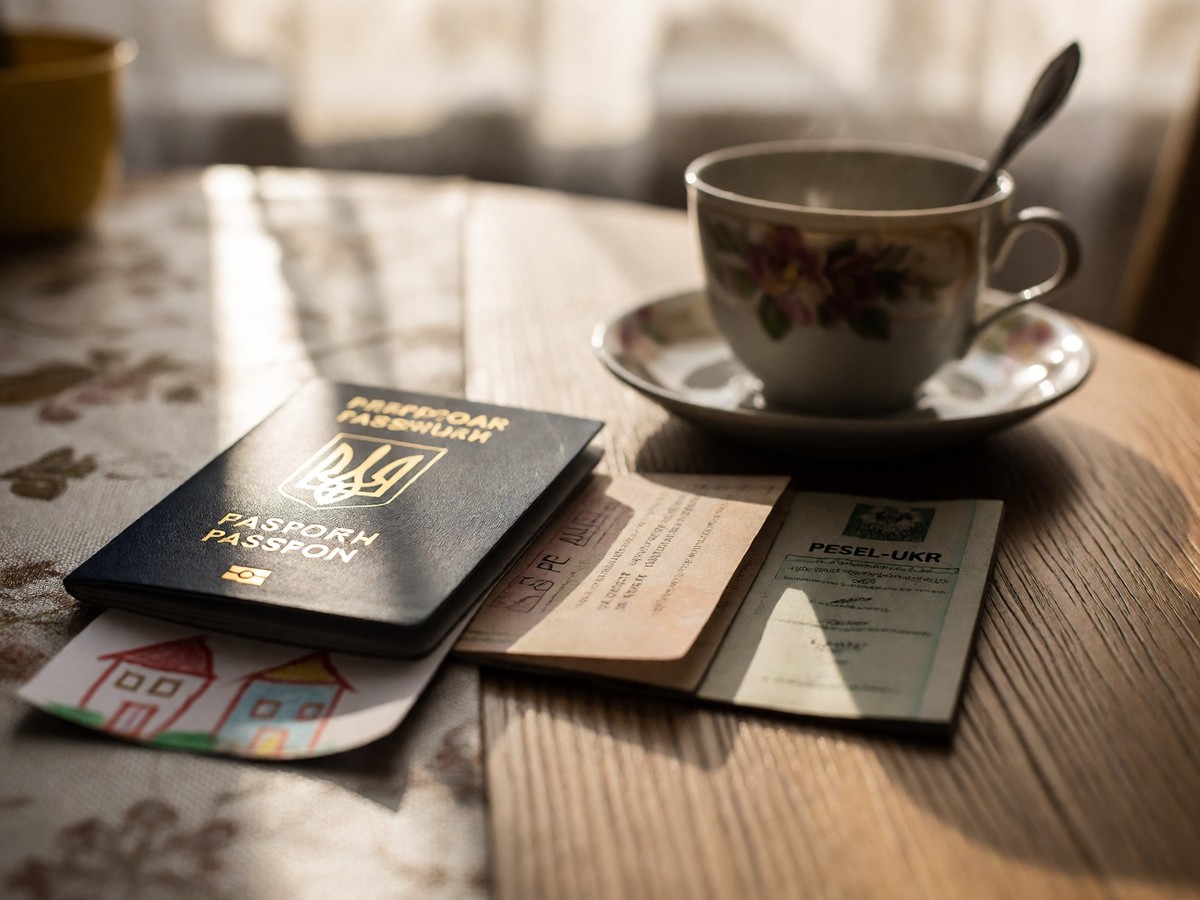
Almost one million Ukrainian refugees live in Poland, where they contributed to a 2.4% increase in national GDP in 2025. While the Polish state provided over a million PESEL-UKR identification numbers and integrated refugees into housing and benefit systems, social tensions are rising. President Karol Nawrocki vetoed an extension of temporary protections before signing a revised version that restricted benefits.
Growing social friction and shifting political tides
The political environment changed during the 2025 presidential election, which the Institute of Political Critique described as a "Rubicon". Solomiia Pischana, who fled Kyiv in 2022, says that "just walking down the street and speaking Ukrainian, it’s started to feel a bit more dangerous" because historical issues like the Volhynia massacre are appearing more often. Police data shows reported hate crimes against Ukrainians rose 30% in the first half of this year compared to the same period in 2025. Myroslava Keryk, who leads Ukrainski Dom in Warsaw, says her staff face harassment, including AI-generated videos claiming they demand Poles pay higher taxes.
Ukraine faces severe demographic pressure because its population in controlled territory dropped from 42 million before 2022 to between 22 and 25 million today. President Volodymyr Zelensky said in late October that Ukraine needs 9.5 million people to return to rebuild the country. However, surveys by the Centre for Economic Strategies show the proportion of refugees intending to return fell from 74% in November 2022 to 43% in January 2026. Deputy Minister Ilona Havronska has 13.1 million zloty in this year’s state budget to support return efforts through "Unity Hubs", but no such hub has opened in Poland.
Legal hurdles and citizenship restrictions
Poland introduced a new CUKR status this year to provide three years of residence, though holders still need two more years of legal protection to apply for long-term EU resident status. The interior ministry plans to make citizenship an "earned privilege, not a formal certificate" by extending the required residence period from five to eight years. These changes include mandatory Polish language knowledge and a history exam. Kamil Kisiel, a deputy director at the ministry, says being more restrictive helps manage expectations.
| Feature | Current UKR Status | New CUKR Status |
|---|---|---|
| Duration | Tied to EU protections | 3 years |
| Residency count | Does not count toward 5-year total | Counts toward 5-year total |
| Expiry | March 2028 | 3 years after grant |
Valentina Bryl, an HR specialist in Wroclaw, says returning to Ukraine means she would have to "start everything from the beginning". Karina, a Ukrainian woman living in Poland since age 15, wants citizenship to gain visa-free travel to America.