The standoff at the Tribunal
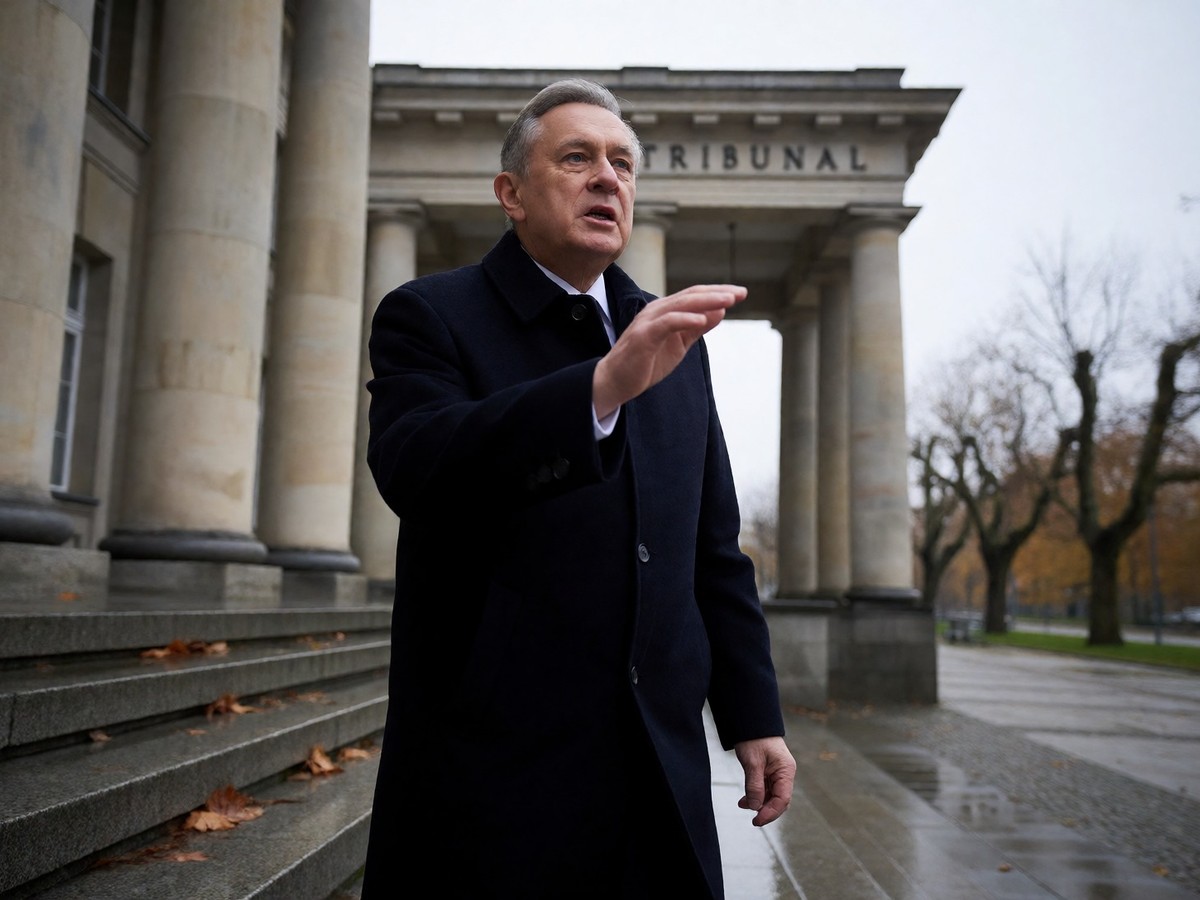
President Karol Nawrocki gave Prime Minister Donald Tusk a six-day deadline to stop an "illegal takeover of Poland’s top court". Nawrocki set this date during a National Security Council meeting on November 3. He demanded that Prime Minister Donald Tusk limit the excesses of his power and end the illegal actions of his representatives in the Tribunal building before the upcoming Independence Day celebrations begin. This deadline carries no legal force because the Polish constitution allows only the Sejm to remove a prime minister through a constructive vote of no confidence requiring 231 specific votes.
The fight began on October 30 when Judge Anna Korwin-Piotrowska declared the tribunal president Bogdan Swieczkowski and his deputy Bartlomiej Sochanski suspended. She took charge of the court after the two officials, appointed under the former Law and Justice government, were removed. President Nawrocki, who flew back from a trip to Senegal, pushed his way into the building overnight. He refused to swear in five of the eight judges elected by the current majority. Swieczkowski blocked the new judges from working in the building. On November 3, the eight judges declared themselves a quorum, passed a budget, and drew lots for disciplinary panels. Justice Minister Waldemar Zurek filed six requests to lift Swieczkowski’s immunity.
Political pressure and international criticism
Roman Fritz of the far-right Confederation of the Polish Crown demanded in the Sejm on November 5 that Tusk and his cabinet resign immediately. Waldemar Buda of Rozwoj Plus mocked up a resignation letter for Tusk to sign. Former Prime Minister Mateusz Morawiecki said on October 31 that he would seek a no-confidence vote. Tusk rejected the accusations and offered a one-on-one meeting to reduce tension, but no such meeting occurred by November 5. Deputy Prime Minister Wladyslaw Kosiniak-Kamysz suggested a "constitutional reset" of the court to resolve the crisis. Sejm speaker Wlodzimierz Czarzasty expressed scepticism toward this proposal.
The International Commission of Jurists criticized both sides on November 3. Santiago Canton, the secretary-general, said Nawrocki’s refusal to swear in judges violates international standards. He also stated that suspending the court’s leaders without a fair procedure involving the police contravenes international standards on the independence of the judiciary. On October 30, Warsaw police detained three people who climbed the fence after a judge asked for security. The police union, Policyjna Solidarnosc, wrote to General Marek Boron and said that officers have legal doubts and that morale dropped. Boron answered that the deployment was lawful and promised officers would not face unlawful liability.
Academics told EUobserver on November 2 that the right uses the crisis to mobilise voters around a sense of existential conflict. Social media claims much further, alleging that the government persecutes officers who defied it and that patrols with automatic weapons appeared in Warsaw. No official statement or report from a Polish or international news organization supports these claims. Economists at PKO BP said on November 2 that they do not expect a change in Poland’s rating during the S&P review on November 6, but they warned that a long stand-off could hurt the country’s creditworthiness.