European Commission President Ursula von der Leyen announced a 60 million euro support package for Black Sea bordering states on Monday in Bucharest. She met Romanian President Nicusor Dan at the Cotroceni Presidential Palace to address escalating security challenges linked to Russia’s war against Ukraine. The region faces growing threats, including drone incursions and attacks on commercial shipping that have made vital routes increasingly vulnerable since the full-scale invasion began.
Funding Breakdown
Von der Leyen allocated 10 million euros specifically for maritime surveillance and search-and-rescue operations to improve immediate response capabilities. A further 50 million euros will fund the establishment of a planned Security Hub involving Bulgaria, Romania, and Turkey. This hub is intended to strengthen regional cooperation and improve the ability of countries in the area to monitor and respond to security threats, including incidents affecting maritime infrastructure and commercial navigation. I view this financial split as a clear prioritization of long-term structural defense over short-term tactical fixes, which is necessary given the persistent nature of the conflict. The Commission president stated that the EU needed to step up its response to ensure the safety of shipping routes across the Black Sea. She wrote on X before the visit that "security threats are escalating, attacks are increasing, and innocent lives have been lost" in the Black Sea region. Von der Leyen also reiterated the EU’s support for a ceasefire in Ukraine covering attacks on energy and food infrastructure, stressing the importance of protecting civilian facilities and ensuring the continued flow of essential goods.
Operational Reality
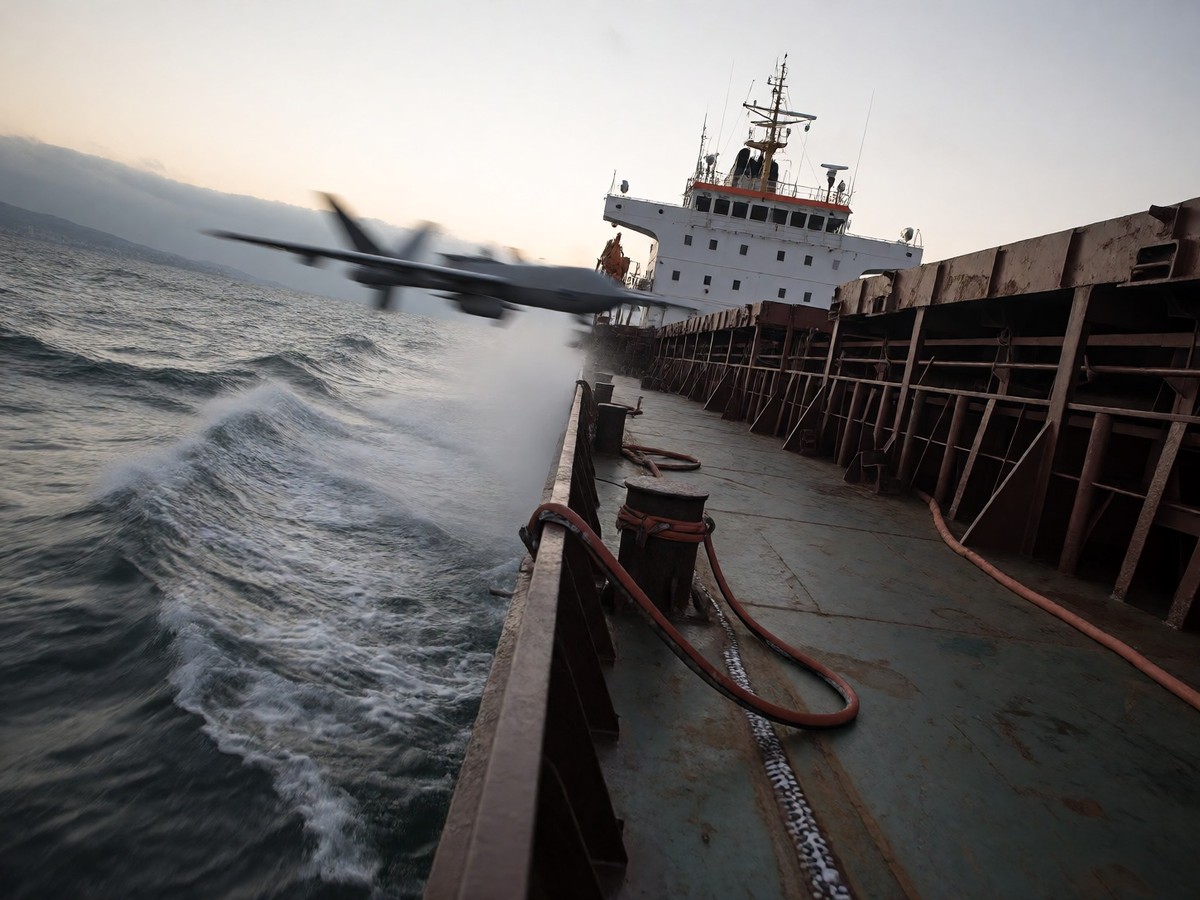
Drone attacks reportedly damaged at least seven commercial vessels in the Black Sea last month, claiming the lives of two sailors and leaving at least 25 others unaccounted for. These incidents have heightened concerns over the spread of the conflict beyond Ukraine’s borders and its growing proximity to NATO territory. While Romanian authorities have pointed the finger at Russia, Bulgaria has avoided naming the suspected perpetrator, saying only that the drones came from "an eastern direction". This divergence in official attribution creates friction within the proposed Security Hub framework, potentially slowing coordinated responses. On Tuesday, von der Leyen is due to travel to Bulgaria, where she will meet Prime Minister Rumen Radev in Varna and visit the Naval Academy. She will then attend the COP 31 climate summit in Turkey, extending her diplomatic tour across the region. The specific allocation of funds ensures that both immediate rescue capabilities and long-term monitoring systems receive direct financial backing from Brussels.