Armenian Prime Minister Nikol Pashinyan and Azerbaijani President Ilham Aliyev met on the sidelines of the 9th European Political Community Summit in Dublin, Ireland. They discussed "progress" in the development of the Trump Route, a multi-use infrastructure project connecting mainland Azerbaijan to Nakhchivan through Armenian territory. The three nations agreed to establish this route during a Washington summit in August 2025. Armenia’s Parliament ratified a framework agreement with the US on strategic cooperation concerning the project in late October.
Logistics and Energy Ties
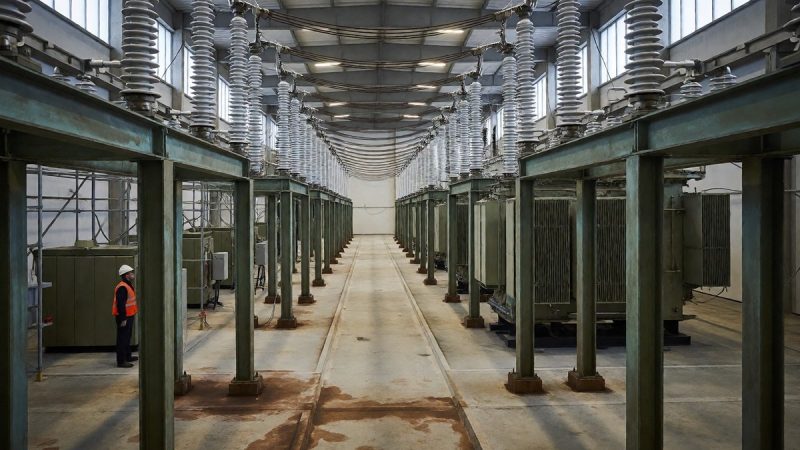
The leaders focused on practical steps for consolidating peace, including transport connectivity, trade relations, border delimitation, and confidence-building measures. A total of 105,000 tonnes of cargo moved to Armenia through Azerbaijan since November 2025, when Baku lifted its cargo transfer ban following the Washington summit. Both sides described this transit as a "positive development." In October, delegations from both countries met in Goris to discuss constructing power transmission lines as part of the Trump Route. Aliyev stated in August that Azerbaijan could begin supplying electricity to Armenia. Pashinyan responded that Armenia currently has an energy surplus, though growing economic demand may lead Yerevan to import power in the future.
Water Cooperation and Diplomatic Friction
The two leaders emphasized environmental and transboundary water cooperation, welcoming the establishment of working groups on managing transboundary rivers. They reaffirmed the importance of maintaining positive momentum in the peace process to strengthen regional stability. Separately in Dublin, Armenian Foreign Minister Ararat Mirzoyan and his Azerbaijani counterpart Jeyhun Bayramov spoke briefly. A similar interaction occurred between Armenian Security Council Secretary Alen Simonyan and Azerbaijani presidential aide Hikmet Hajiyev. I view the lack of specific details regarding the water working groups as a significant gap in the official readout. The brief nature of the foreign ministers’ conversation suggests limited progress on diplomatic friction points. While the cargo volume figures provide concrete evidence of de-escalation, the vague language surrounding border delimitation remains a concern. The interconnection of electricity grids is a tangible next step, but it relies on sustained political will. These meetings confirm that technical committees are now driving the agenda rather than high-level rhetoric alone.