Moldova no longer buys any Russian gas, President Maia Sandu declared on November 8. She announced the launch of a new power line linking her country to the European grid through Romania. "For decades, Moscow used energy to blackmail us. No more: Moldova buys zero Russian gas," Sandu wrote on social media. The statement marks the end of a long period where Chisinau depended heavily on Moscow for its energy supply. This move fits into broader efforts to deepen ties with Europe and eventually join the bloc.
A direct link to Europe
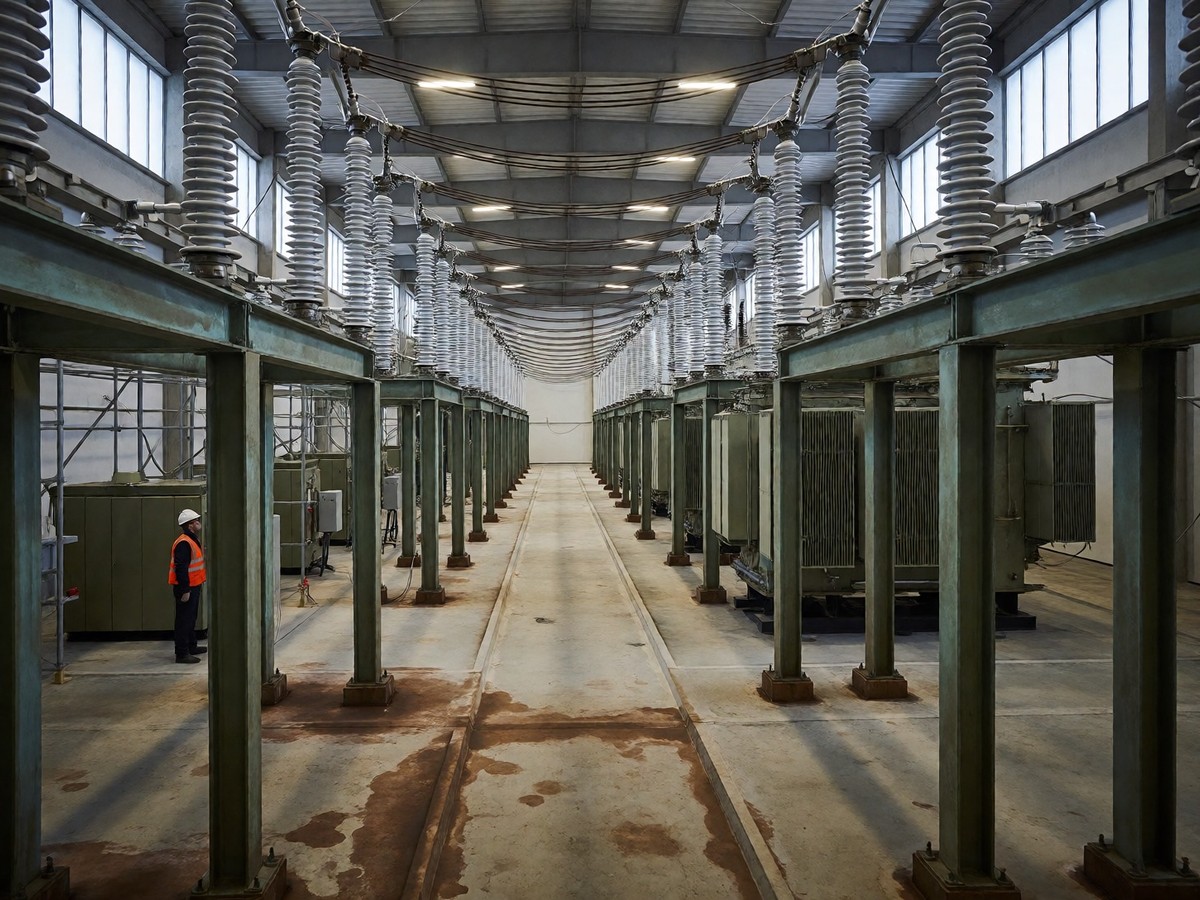
The Vulcanesti – Chisinau overhead electricity line is a 400-kilowatt extra-high-voltage connection spanning 158 kilometers. It provides a direct route for electricity imports from Romania and the European market to Chisinau, where much of the economic activity is concentrated. Previously, the bulk of imports went through the MoldGRES power station in Transnistria, a region controlled by Russia. That plant is owned by Inter RAO, one of Russia’s biggest public energy companies. Sandu said the new infrastructure removed a major vulnerability that had been exposed when supply routes were used to exert pressure. "Every time Moldova dared to choose something other than what Moscow wanted, we were threatened with being left without light and heat," she said. Two more power lines to Romania are on their way according to the president.
Delays and future steps
The project finished more than two years later than originally planned, with the initial deadline set for August 2024. Sandu attributed these delays partly to Russia’s war against Ukraine. The inauguration ceremony at the Chisinau power station included European Commissioner Marta Kos and Energy Minister Dorin Junghietu. Kos stated that the energy dependence of the Republic of Moldova on Russia has been stopped. An EU official told the Kyiv Independent that Europe is unlikely to agree to resume Russian gas exports via a U.S. intermediary, as the bloc remains committed to shutting off those imports. Moldova is now preparing further interconnection projects to diversify supply routes. The new line reduces reliance on transmission infrastructure crossing Transnistria and Ukraine, giving the state greater freedom to choose suppliers.