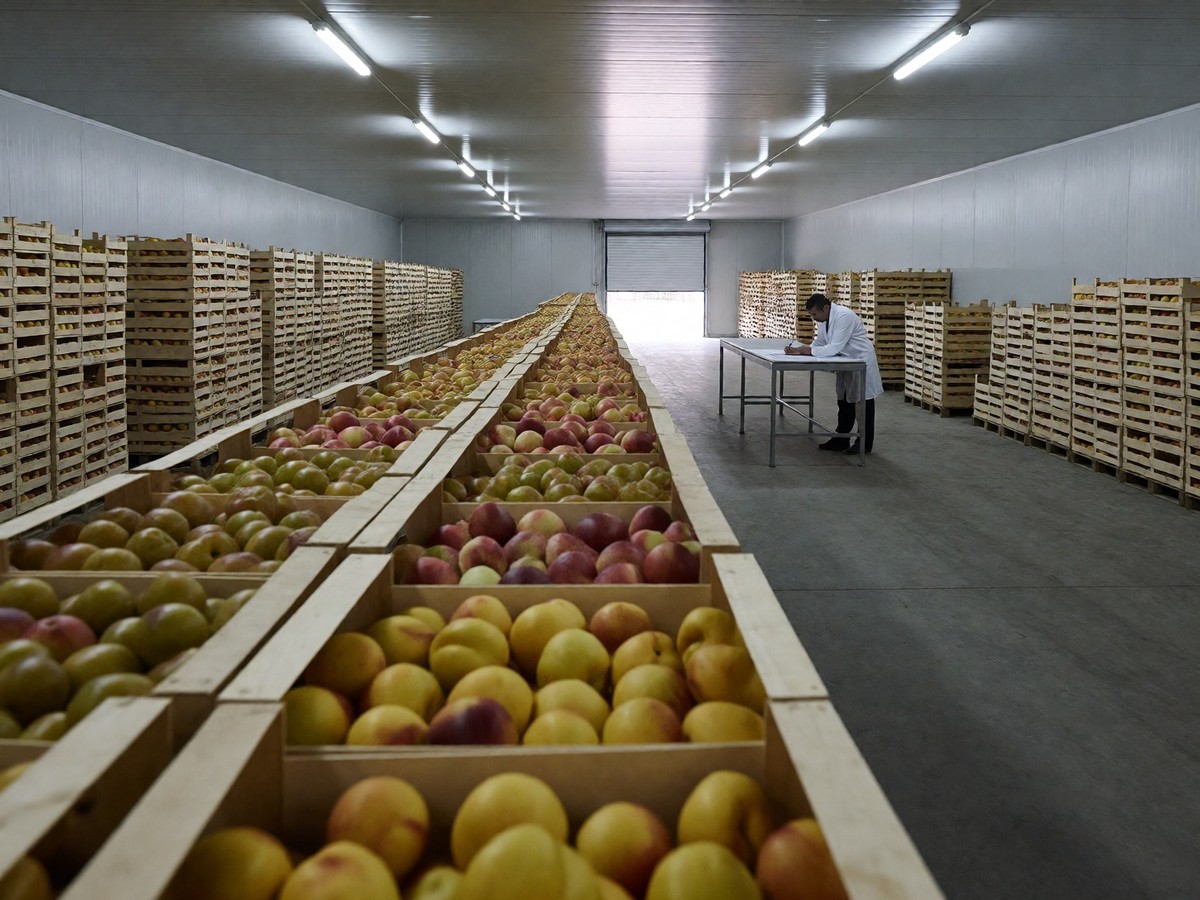
A delegation from Rosselkhoznadzor, Russia’s agricultural watchdog, arrived in Georgia on 2 November to audit testing laboratories and examine the phytosanitary certification system for fruit exported to the Russian market. The visit ran through 6 November and came amidst an ongoing Russian ban on the import of several Georgian beverages that Moscow temporarily suspended in October citing quality concerns. Although the two nations have maintained no diplomatic relations since the August 2008 War, they continue to sustain active trade and economic ties. This inspection marks a significant shift in oversight, as the last time a similar audit took place was back in 2014. The agency announced the planned inspection on 26 October, specifically targeting pome and stone fruits.
Laboratory audits and facility visits
Russian specialists familiarised themselves with the work of Georgia’s State Laboratory of Agriculture, which tests plant products intended for the Russian market for pesticide and agrochemical residues. They assessed its organisational structure, equipment, staff qualifications, testing methods, and compliance of its facilities with requirements, according to Rosselkhoznadzor. The delegation also examined how Georgia determines the quarantine phytosanitary status of samples and how it issues phytosanitary certificates. During their stay, the team visited five fruit-growing, storage, and export facilities located in the Gori municipality. Following the inspection, Rosselkhoznadzor said it would send the laboratory an audit report confirming its competence, testing methods, and research results. The agency claimed that the Georgian side had reported developing a national plant quarantine system to streamline these processes further.
Trade data and future access
Russia imported 70,500 tonnes of fruit and vegetable products from Georgia as of 24 October 2026, showing increases in nectarines, apples, blueberries, plums, mandarins, fresh figs, and watermelons compared with the same period a year earlier. On 22 October, Rosselkhoznadzor stated that two Georgian dairy-processing plants would gain access to the Russian market from November after initiating a request to Eurasian Economic Union authorities. The agency also expressed readiness to inspect six Georgian fish and seafood producers interested in exporting to Russia, noting their products would be eligible if inspections found no violations. However, Georgia’s National Food Agency has not published any information about the visit or its results, nor did it respond to questions ahead of the delegation’s arrival. Many view the beverage ban as political despite official denials.