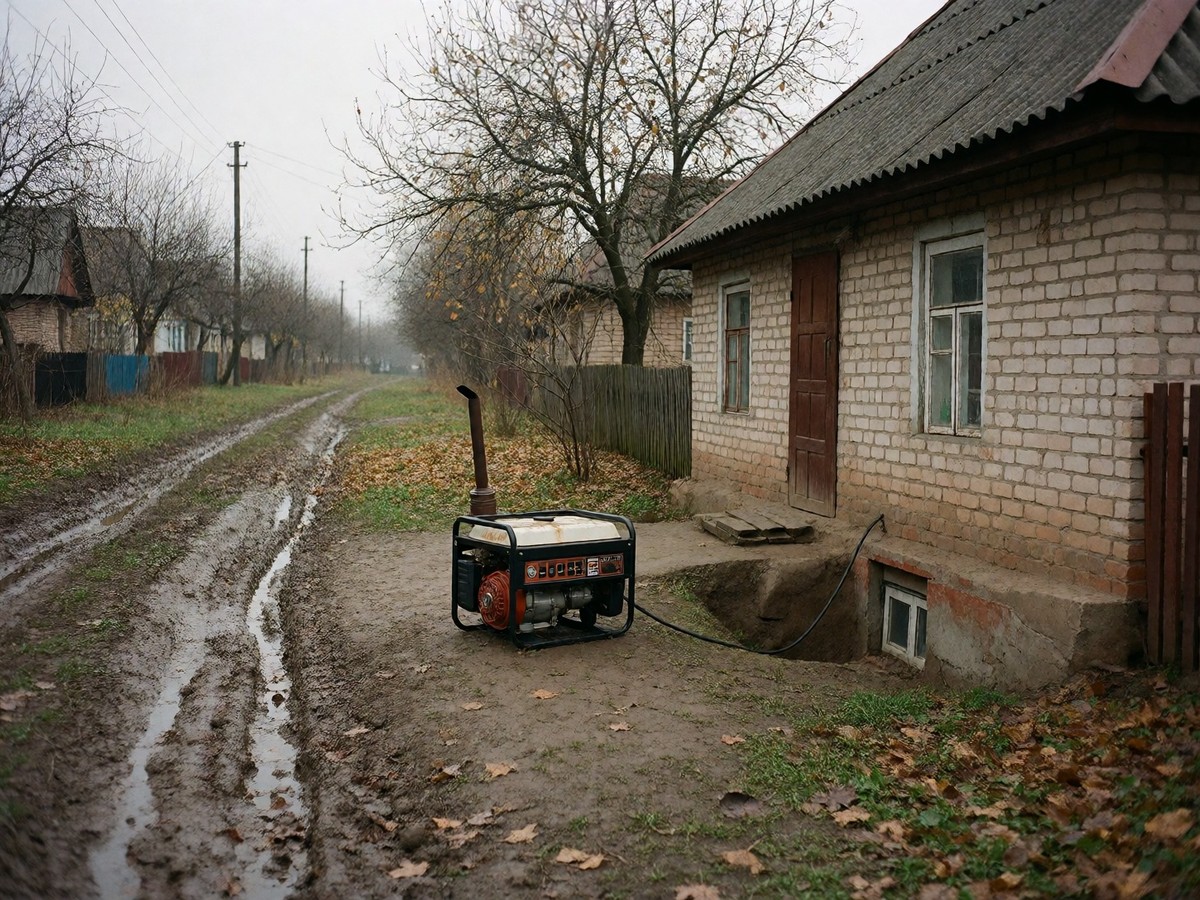
Three people, including a child, died of carbon monoxide poisoning in the village of Chupyra, just south of Kyiv, after running a generator in their basement. Ukraine’s State Emergency Service reported the incident on Nov. 8, noting that the victims perished because they operated the equipment indoors instead of outside at a safe distance. Another child in the home was hospitalized following the event. The tragedy highlights the lethal risks associated with widespread generator use as millions of Ukrainians rely on them for heat and electricity amid ongoing attacks on the country’s energy infrastructure.
A deadly reliance on backup power
Kyiv and the surrounding region face daily, prolonged outages of power and water. On Nov. 3, Russia launched its largest mass attack on Ukraine’s energy infrastructure this year by targeting substations, transmission systems, and power plants across the country. Widespread use of generators has returned as residents are forced to depend on them for whatever electricity and heat they can get. The State Emergency Service said the victims died of carbon monoxide poisoning because they ran the generator in the basement instead of outside, at a safe distance. This specific failure in safety protocol turned a necessary survival tool into a fatal hazard for the family.
Broader grid damage and winter risks
The energy crisis extends well beyond Kyiv. More than 600,000 people have been left without power in Dnipropetrovsk Oblast following Russian attacks on the region’s power grid, according to local authorities. Energy Minister Denys Shmyhal stated on Oct. 30 that Russia has carried out more than 350 attacks on Ukraine’s energy infrastructure since September, damaging more than 800 pieces of equipment. These sustained strikes have put Kyiv’s water system at a growing risk of a sewage crisis this winter due to the lack of electricity. The combination of physical destruction and operational strain creates a severe vulnerability for civilian populations during the cold months ahead.