The International Residual Mechanism for Criminal Tribunals in The Hague denied Mico Stanisic early release on Tuesday, marking the second time the court has rejected his petition. Stanisic served as interior minister of Republika Srpska during the 1992-95 war and received a final 22-year sentence in 2016 for persecution, murder, and torture. He voluntarily surrendered to the tribunal in March 2005, with his trial commencing in September 2009 alongside co-defendant Stojan Zupljanin, who was also convicted of extermination.
Judicial Rationale for Denial
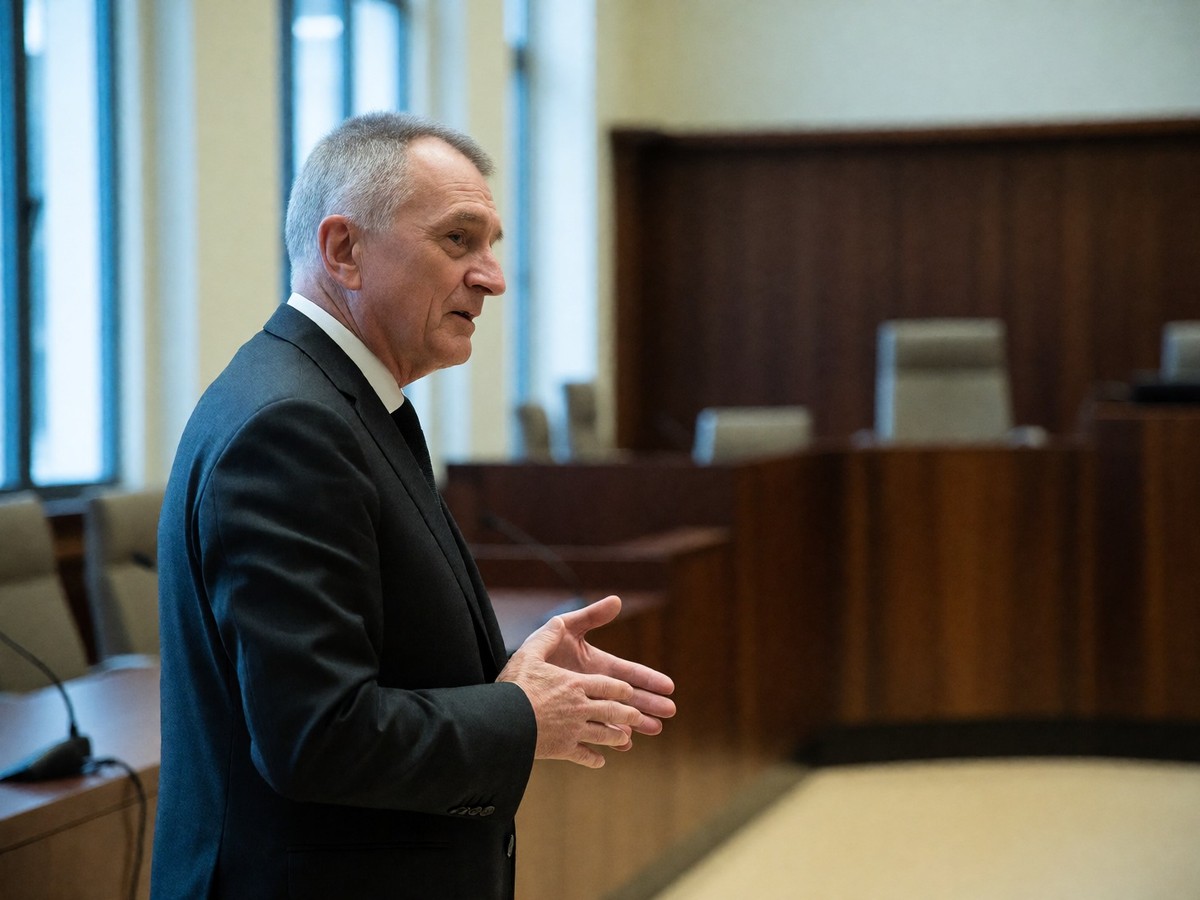
Judge Graciela Gatti Santana, presiding over the case, cited "significant factors" militating against release despite Stanisic meeting the two-thirds service threshold. She emphasized the high gravity of his crimes and his failure to sufficiently demonstrate rehabilitation. The judge noted there is no evidence establishing compelling humanitarian grounds that would override this negative assessment. While Stanisic exhibits good behavior in detention and maintains family relationships supporting reintegration, the new evidence does not address concerns regarding his lack of acceptance of responsibility identified in the previous decision.
Petition Details and Background
Stanisic first requested early release in November 2024 but was turned down, prompting a renewed request in September this year. His submission stated he served in a multi-ethnic prison with friendly relations across ethnic backgrounds and faced no disciplinary proceedings. The petitioner claims that, especially given the length of his sentence, his behaviour manifests a great level of re-socialisation. However, the court found these arguments insufficient to counter the prior findings of inadequate critical reflection. This rejection leaves Stanisic serving out his remaining term without the prospect of early freedom based on current evidence.