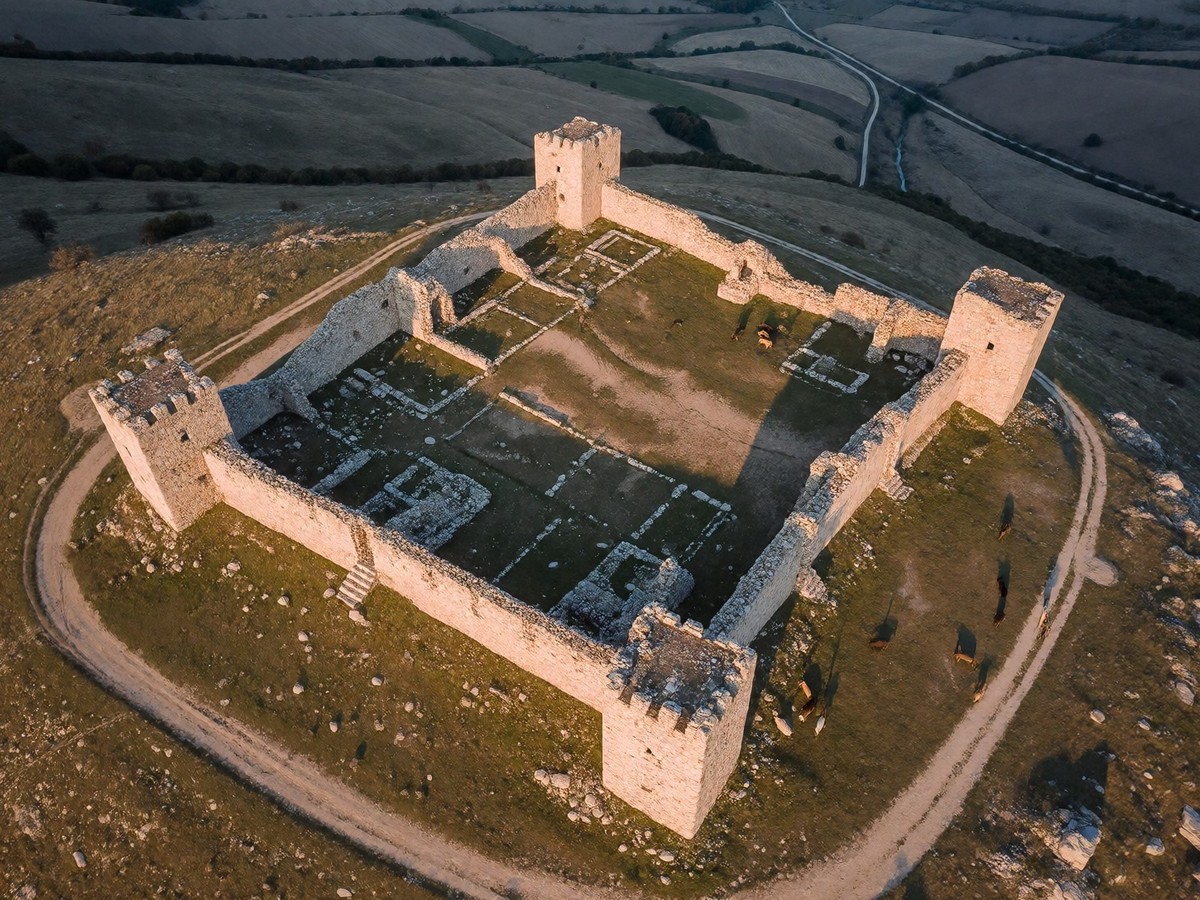
A herd of unattended goats grazes freely beneath the crumbling walls of Novoberde/Novo Brdo, one of Kosovo’s most significant cultural heritage sites. The fortress has remained closed to visitors for more than eight years after its structure began to collapse less than two years following a major renovation project led by UNESCO. This rapid deterioration raises serious questions about the efficacy of international conservation efforts in the region. The site, located 35 kilometres southeast of Pristina, was established near silver and gold mines during the medieval period. Mining activities connected the area to other regions, transforming it into an economic hub that attracted Saxon miners and spurred the construction of the substantial defensive walls.
Emergency Measures and Historical Context
Kosovo’s Ministry of Culture took "emergency measures" last month to secure the medieval fortress and prevent further structural failure. These actions occurred shortly after the ministry approved a new conservation project for the site. The previous UNESCO-led renovation clearly failed to preserve the integrity of the ancient masonry, as the walls started collapsing within just two years of completion. The fortress’s historical significance lies in its role as a commercial center linked to mining operations. Saxon miners settled in the area, drawing trade routes that made Novoberde a vital economic node in the medieval landscape. The current state of disrepair contrasts sharply with the site’s former status as a thriving hub.
Structural Decay and Visitor Access
The prolonged closure means that tourists and researchers have been unable to access the site for over eight years. The presence of unattended goats grazing under the walls highlights the lack of immediate maintenance or security protocols. While the ministry has now intervened with emergency stabilizations, the long-term future of the fortress remains uncertain. The initial restoration did not withstand the test of time, leading to the severe damage that forced the shutdown. No specific timeline for reopening has been announced, leaving the community without a clear path forward. The failure of the earlier project underscores the difficulty of preserving such complex structures. Visitors must wait for further developments before they can explore this important piece of history again.