Operation "Illegal-2026" hits occupied territories
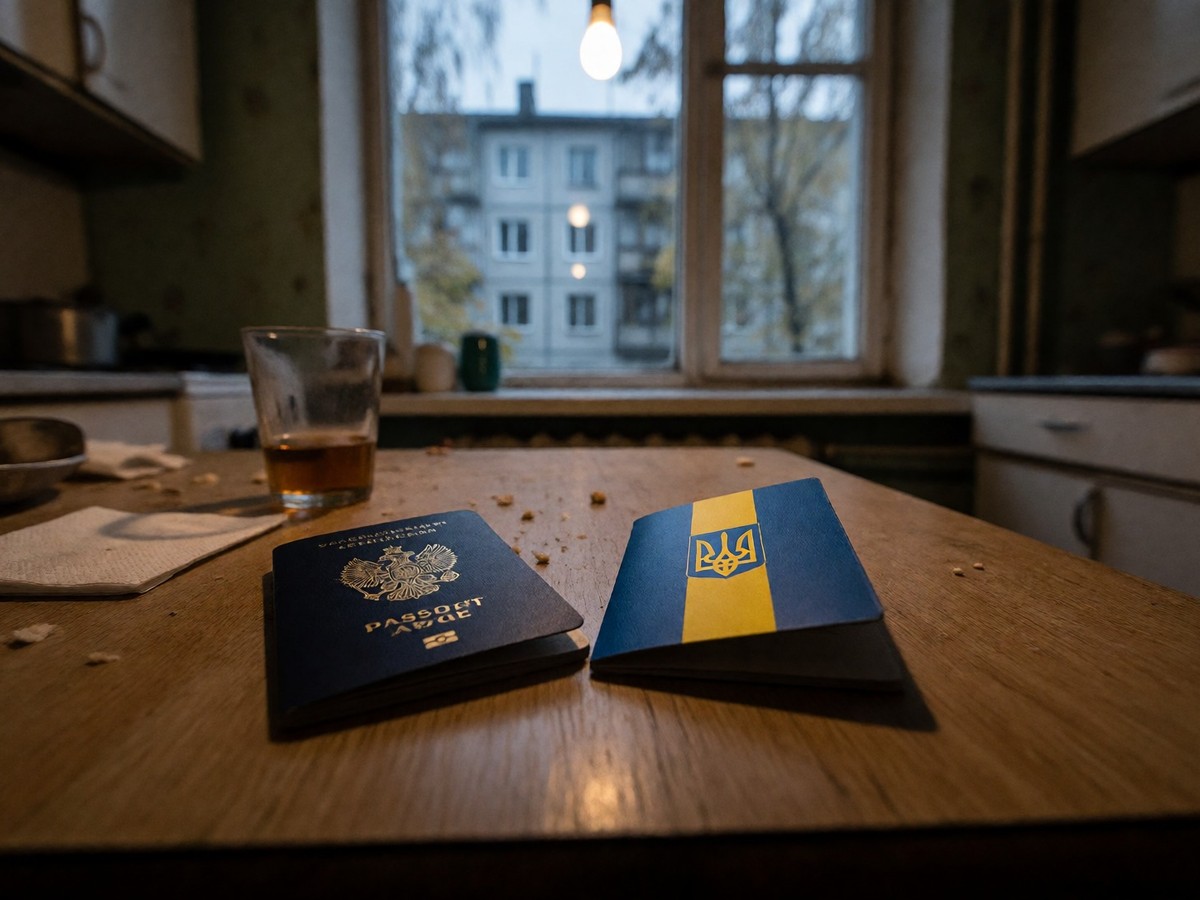
Russian police and the Federal Security Service (FSB) conducted raids across occupied Ukrainian territories during the first 10 days of October as part of an operation called "Illegal-2026," according to Ukraine’s military intelligence (HUR). These raids target residents who refuse to obtain Russian passports. Because occupation authorities classify Ukrainians without Russian passports as "foreign citizens" under Russian migration law, residents face pressure to accept Russian citizenship, expulsion from occupied territory, dismissal from work, or the seizure of property. I find this intensification of pressure particularly severe. Since 2014, Russia has tied access to employment, social services, property rights, and other aspects of daily life to the possession of Russian documents. I see this operation as a way to pressure Ukrainians into accepting Russian citizenship and to push those who refuse out of the occupied areas, using the threat of expulsion as a primary tactic. This campaign aims to force compliance by making daily life difficult for those without Russian identity papers, which is part of a long-running effort.
Threats to minors and previous enforcement
In Luhansk Oblast, Russian authorities checked documents held by minors as part of this campaign. HUR reports that parents face threats of fines if their children do not obtain Russian passports. I see the targeting of children as a blunt tool. Earlier phases of "Illegal-2026" demonstrate the scale of these operations through specific administrative actions. In June, occupation officials opened more than 300 administrative cases and expelled more than 40 people during a 10-day phase of the campaign, which demonstrates the aggressive scale of the "Illegal-2026" project. The operation pressures Ukrainians into accepting Russian citizenship and pushes those who refuse out of the occupied territory. I find the June data, which included over 300 administrative cases and 40 expulsions, shows the scale of the pressure. People without Russian documents lose their ability to work and their access to social services. This pressure remains constant for those living under occupation. The authorities aim to eliminate those who hold only Ukrainian papers.