Centrenergo announced on Nov. 9 that Russian forces struck the Trypillia Thermal Power Plant in the Kyiv region. The state-owned company warned of "extremely serious" consequences as Ukraine’s energy infrastructure remains strained by continued attacks. CEO Serhiy Isachenko noted that protective structures against drones are no longer sufficient given new tactics. He stated, "The nature of the Russian attacks has changed significantly." Within a short period, the enemy may use various types of weaponry, including ballistic missiles and jet-powered drones, against a single target. This creates new challenges for the protection of energy infrastructure.
Damage and restoration failures
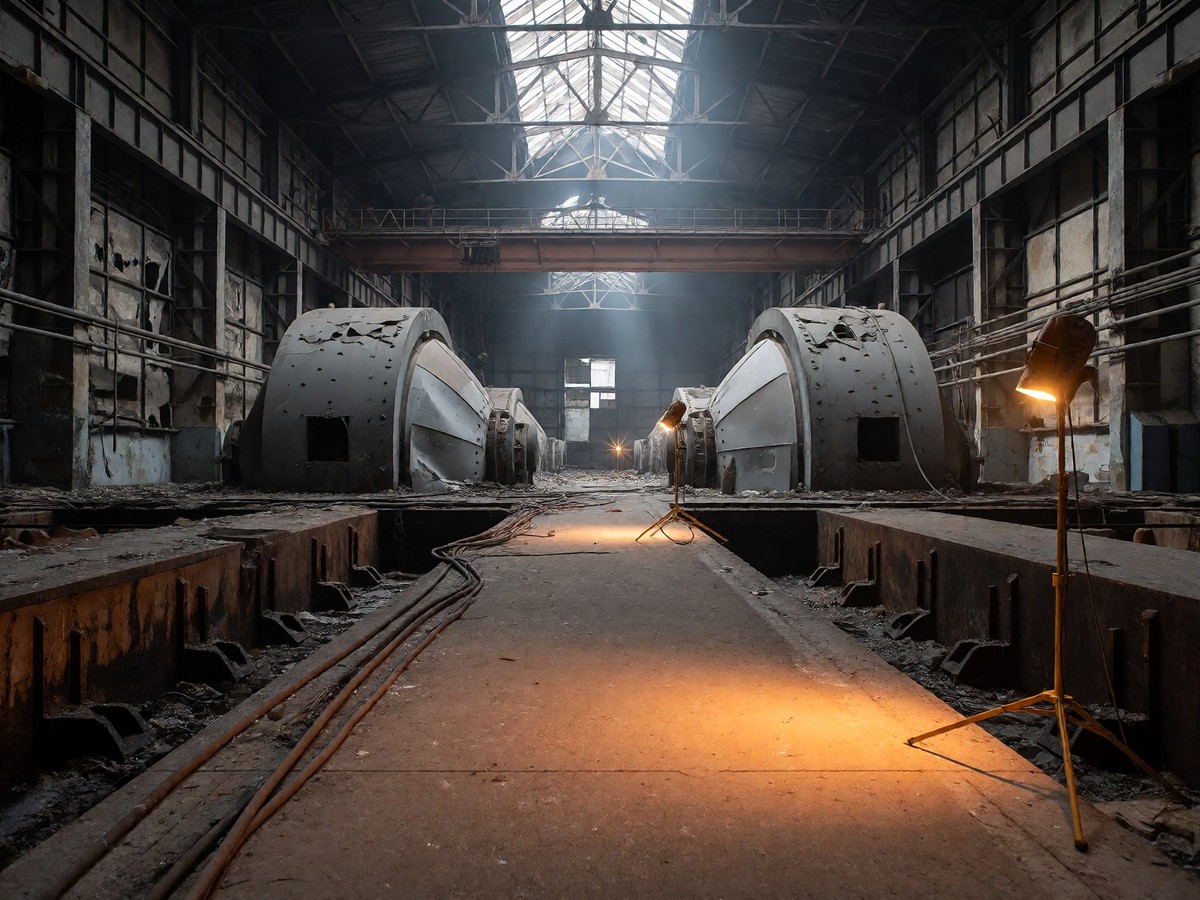
The plant sits less than 30 kilometers south of Kyiv and was once the main power supplier to Kyiv, Zhytomyr, and Cherkasy oblasts. In April 2024, Russian strikes completely destroyed the facility, resulting in the loss of 100% of Centrenergo’s generating capacity. Since then, efforts to repair the plant have been marred by controversy and further attacks. The Security Service of Ukraine revealed in February 2026 that businesspeople from several companies embezzled over $1 million during the restoration process. Suspects allegedly inflated the cost of services, construction materials, and equipment, then divided the excess funds among those involved in the scheme. I find this corruption scandal deeply concerning because it undermines trust in the recovery process while the physical threat persists.
Escalating winter risks
The latest attack comes amid increased Russian strikes on Ukraine’s energy infrastructure, causing widespread blackouts and water outages. Kyiv suffered the largest mass attack on energy infrastructure of the entire year on Nov. 3. People are now forced to schedule their lives around daily strikes and power outages. Many fear the worst is yet to come as winter approaches and Ukraine continues to face air-defense shortages. The impact of the latest strikes appears significant, though the extent of damage requires further inspection. With generating capacity already compromised and restoration funds diverted, the system lacks resilience. We face a critical gap between defensive needs and available resources.