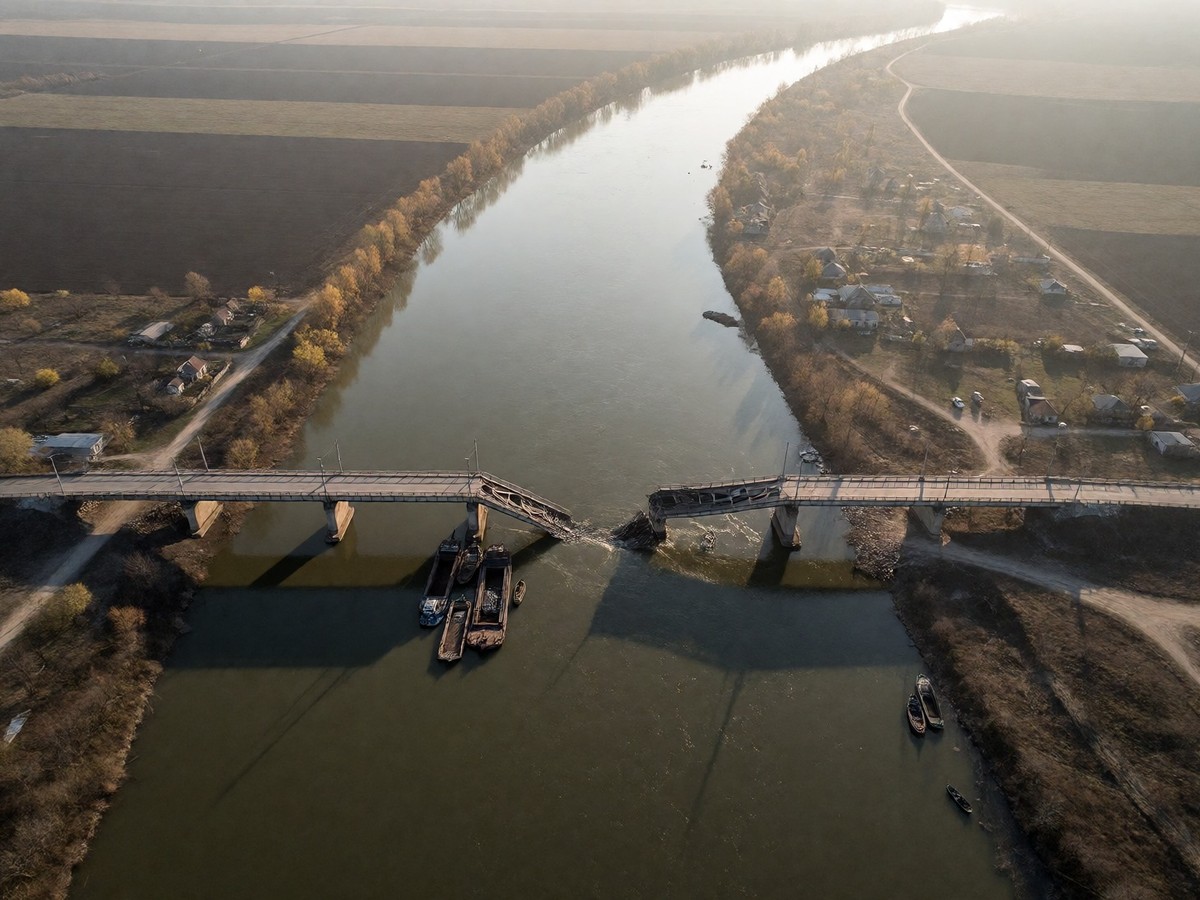
Ukrainian commander Yevhen Lasiychuk reported on Nov. 10 that Russian forces are striking bridges and dams with guided aerial bombs to impose a logistical blockade on Zaporizhzhia. This pressure aims to pave the way for an advance toward Dnipro, another major city in southeastern Ukraine. The threat is developing along two distinct axes: the Orikhiv direction from the south and the Huliaipole direction from the east. Around 75% of Zaporizhzhia Oblast is already occupied by Russian forces, according to DeepState territorial data cited by Visua. Lasiychuk warned that losing Zaporizhzhia would be comparable to losing Donbas, a clear indicator of the strategic stakes involved.
Escalating military activity
The 7th Air Assault Corps reported on Nov. 8 that Russian assaults in the sector had tripled in October compared with September. Approximately 50,000 Russian troops were deployed in the Huliaipole direction, where activity is increasing rapidly. Lasiychuk stated that the initial stage of the blockade is already underway. Russia may be seeking to open another axis of advance in Zaporizhzhia Oblast, potentially forcing Kyiv to divert troops from Donetsk Oblast. In Donetsk, Russia has struggled to advance against Ukraine’s heavily fortified cities. This diversion strategy could weaken Ukrainian defenses elsewhere while concentrating force on the southern front.
Strategic objectives and risks
Lasiychuk explained that Russia wants to establish a logistical blockade before bypassing Zaporizhzhia from the north. The ultimate goal is advancing towards Dnipro after isolating the current stronghold. The use of guided aerial bombs on critical infrastructure like bridges and dams creates severe supply challenges for defenders. This approach targets the economic and military lifelines of the region rather than direct frontal assaults alone. The situation reflects a calculated effort to exhaust Ukrainian resources through sustained pressure on multiple fronts simultaneously.