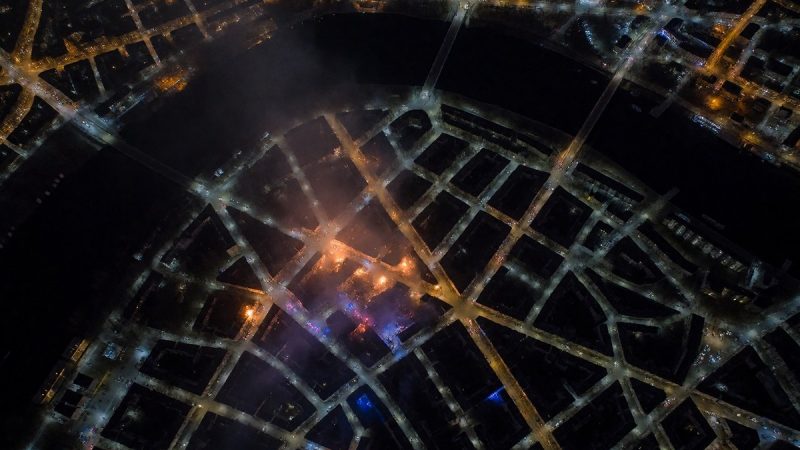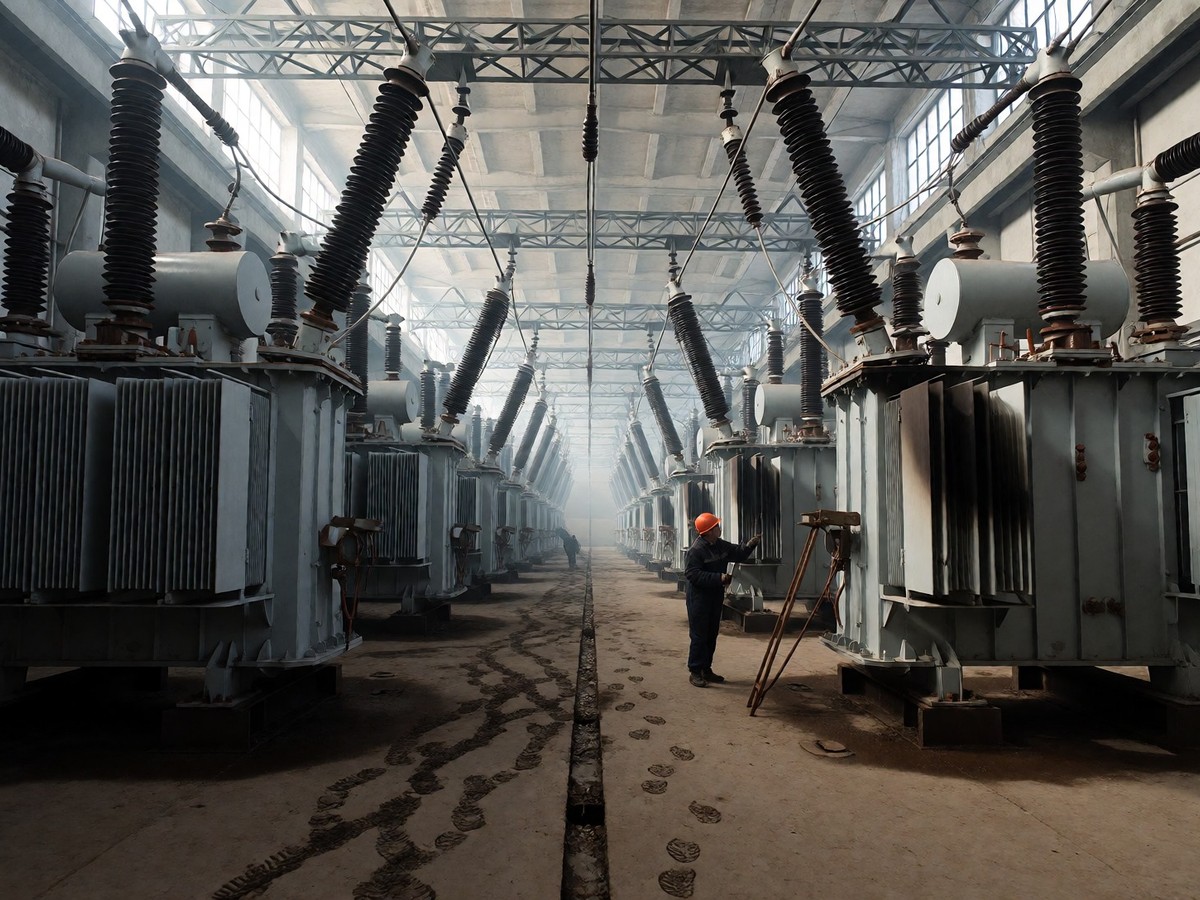
Russian attacks killed two people and injured 37 across Ukraine over the past day, while strikes hit substations connecting nuclear power plants to Kyiv. President Volodymyr Zelensky said on November 7 that a substation in Kyiv Oblast linking the Rivne and Khmelnytskyi nuclear plants to central regions was damaged. Authorities reported further damage to substations in Vinnytsia, Zhytomyr, Rivne, Kharkiv, and Dnipro oblasts. The Air Force stated that Russia launched 172 long-range drones overnight, including 137 jet-powered models, alongside an unknown number of Iskander-M, Zircon, KN-23, and S-400 missiles. Ukrainian defenses intercepted 149 drones and four missiles, but impacts were recorded at 24 locations.
Grid Failure and Municipal Blame
Kyiv lacks enough generators to power its apartments, Mayor Vitali Klitschko stated on November 6, noting that the city has only enough units to keep its sewage system running. The capital needs about 1,700 MW to serve its 3.6 million residents, yet it possesses just 16 MW of reserve capacity for water against a planned 40 MW. This shortfall means backup systems can only protect individual parts of the infrastructure, not entire districts. On November 4, Ukraine’s nuclear plants cut output because the grid could not carry their power, a situation worsened by a strike on a facility in Zhytomyr on November 6 that dropped pressure in Kyiv’s water pipes. "Kyivvodokanal is switching to generators at stations where it is possible," Klitschko said. The crisis has arrived early, with temperatures near freezing, forcing residents to endure outages lasting from several hours to several days. One woman told Radio Svoboda she had received one hour of electricity in three days.
Zelensky blamed the municipal level for failing to prepare for the heating season, calling the outages "the consequences of a failure to implement decisions." He warned that changes to how Kyiv is managed might follow, marking his third public rebuke of the city in a month. Klitschko countered that the government sat on the city’s resilience plan for nearly six months until early August, leaving many regions unable to prepare. He accused the central government of destroying Kyiv by trying to get rid of him. Police searches of Kyivteploenergo premises and employees’ homes deepened the row, with the city calling it possible political pressure. Prosecutors claimed the searches were part of a probe into inflated construction costs and that no documents were seized. The dispute highlights a fractured response where every repair becomes political, leaving businesses to build their own power sources because the centralized grid can no longer guarantee supply.
Interceptor Shortage and Strategic Targets
Ukraine faces a severe interceptor shortage, with Patriot missile supplies falling to about 12 per month, roughly a quarter of the level under former US President Joe Biden. That rate provides one interceptor every two and a half days, which covers only two and a half days of ballistic launches if Russia fires five per day. In the November 3 raid, none of the 29 ballistic and hypersonic missiles were shot down according to the Polish think tank OSW, though the Air Force reported three interceptions. Zelensky said intelligence showed a new attack being prepared on energy infrastructure, bridges across the Dnipro River, and civilian infrastructure. Russian missiles damaged Kyiv’s North Bridge that night, closing it in both directions. The Missile War Monitor records 107 confirmed Russian strikes on energy assets from October 1 to November 6, a floor because operators withhold many details. Prime Minister Serhiy Koretskyi has counted more than 2,000 attacks on the sector since July 16. Single raids have cut hundreds of thousands of customers at a time, with at least 600,000 affected in Kyiv, its region, and Kharkiv on October 13.
The defense gap allows Russia to target the weakest links in a system resting on three working nuclear plants. The 750 kV substations use a voltage rare in Europe, so spares are scarce. Ukraine’s grid is being attacked at its joints, with nuclear output at risk whatever the state of the reactors. Businesses have built 4 GW of their own power in 18 months because the centralised grid cannot guarantee supply. The government’s target of 21.4 GW available by year-end was set on condition that strikes did no major damage. With emergency cuts suspending scheduled blackouts, Kyiv remains at real risk of a large-scale blackout that would take out power, water, and heating together. Residents are caught in the middle, with frustrated Kyivans blocking streets and urging those who can afford it to leave temporarily. The cost of keeping life support running on generators will be enormous, making Ukraine’s staying power dependent on whether European taxpayers will pay to support life in cities of millions.