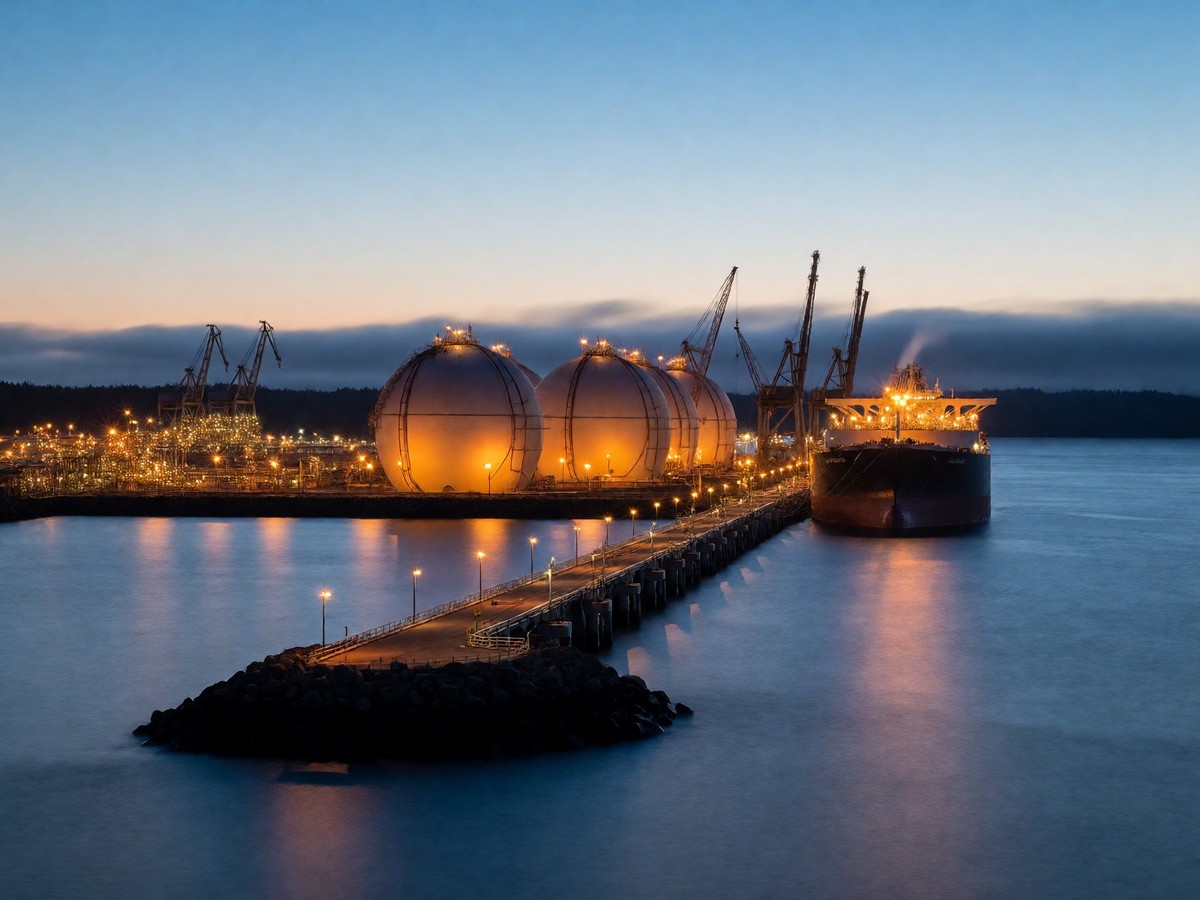
Spain imported 138,000 metric tonnes of Russian liquefied natural gas in October, reversing its September phase-out of Moscow supplies. This resumption occurred just ahead of a forthcoming ban on all Russian LNG entering the bloc from January 2027. Isaac Levi, an analyst with CREA, told the Kyiv Independent that "Companies are acting in their own commercial interests and are likely maximizing Russian LNG imports under existing long-term contracts ahead of the full EU ban coming into force." The effect has also been seen across EU imports through 2026 as a whole, with the bloc importing a fifth more LNG from Russia’s Arctic Yamal facility so far in 2026 than it did in the whole of 2025. However, those imports were stacked heavily towards the first half of 2026, and since then countries such as Belgium have eliminated Russian LNG from their supply chain. France remains the other top importer, holding a contract already paid for that will come to an end with the EU ban entering into force.
Financial flows and shadow fleet tactics
The European Union has paid about 8.7 billion euros for LNG from Russia’s Arctic Yamal project in the first 10 months of this year, according to Urgewald data citing Kpler. This means the bloc has already paid over one-fifth more for Yamal LNG this year than throughout the entire 2025. In October, EU countries purchased 705,591 metric tons of Yamal LNG, down 11% from September, yet rising prices meant payments actually rose by 2.6% since last month. France was the main destination for Russian LNG cargoes in October, representing 70% of all EU purchases, while seven cargoes arrived at French ports, two in Spain, and one in the Netherlands. Urgewald reported no deliveries to Belgium’s Zeebrugge terminal between August and October, marking a clear break from traditional buying patterns. Meanwhile, the number of shadow fleet ships flying under a Russian flag has more than tripled since the previous October, rising from 20 vessels accounting for 6% of oil deliveries to 62 ships covering 47%. Levi argues that registering vessels under the Russian flag offers an alternative means of reducing the risk of interception and keeping oil flowing. Swedish and Finnish officials admit that the flying of a Russian flag can change the calculus about carrying out interceptions, even as they continue to intercept based on legal criteria like proof of an environmental risk. Their aim is not necessarily to stop all ships in their tracks, but to continue raising the cost for Russia of exporting fossil fuels by requiring them to protect their ships with military vessels.