Ukrainian drones hit the Mius River bridge and a power substation in Rostov Oblast on Nov. 8, according to regional Governor Yuri Slyusar. The attack damaged the structure at the 97th kilometer of the R-280 highway in Neklinovsky district. This strategic route links mainland Russia with occupied territories including Mariupol, Melitopol, and Crimea. Traffic on the road leading to the bridge is completely shut down due to the debris. No casualties were reported from the initial impact.
Logistics and Energy Disruption
The strike targeted a critical artery for military cargo moving into occupied Ukraine. Local monitoring channel Exilenova-Plus published footage claiming an FP-2 drone caused the damage to the bridge. I cannot verify these specific claims independently, but the governor confirmed the physical destruction and resulting traffic closures. Energy workers will begin repairs only after emergency responders clear the scene of remaining hazards. The disruption extends beyond the bridge itself.
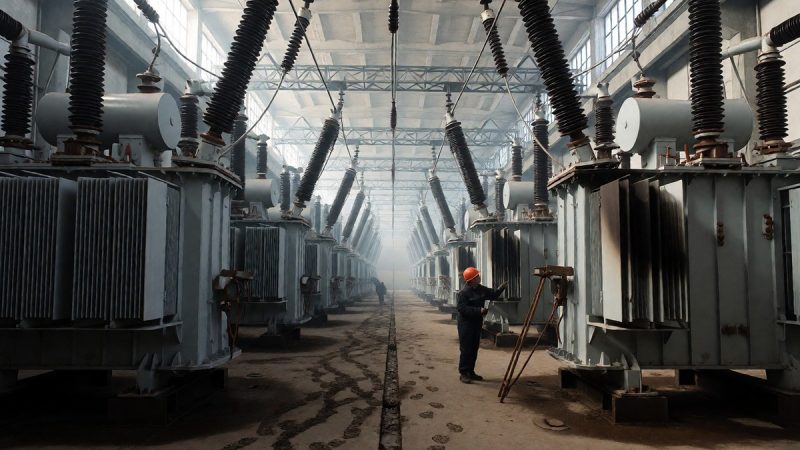
Slyusar also reported that a drone struck a transformer at the Sulin power substation in Millerovsky district. This cut off electricity supply to multiple villages in the area. Repair crews face delays while safety teams assess the site conditions before they can restore service. The region has faced repeated infrastructure attacks throughout the year. These strikes aim to degrade Russian logistics capabilities along the so-called "highway of death."
Context of Mutual Attacks
This incident follows a mass Russian attack on bridges and infrastructure in Kyiv and the surrounding region. Overnight on Nov. 6-7, Russia launched multiple waves of ballistic missiles at the capital. These missiles damaged the Northern Bridge over the Dnipro River, a major transit hub connecting the city’s eastern and western sides. Both the Northern and Southern Bridges have come under attack multiple times in recent weeks. These strikes disrupt vehicle traffic and public transportation networks across the city.
President Volodymyr Zelensky charged Prime Minister Serhii Koretskyi with establishing a free public transportation program for Kyiv residents on Nov. 8. This decision responds directly to Russia’s assault on bridges and metro stations. Residents in Kyiv Oblast face daily, prolonged power and water outages since the heating season began. Ukraine endured Russia’s largest mass attack on energy infrastructure this year on Nov. 3. Regions across the country also faced Russian attacks on substations, transmission systems, and power plants.
Zelensky warned on Nov. 6 that despite Ukraine’s air defense shortage, the military was preparing to respond to Russia’s energy assault. He stated the forces would use additional long-range strikes on strategic targets in Russia. The current situation shows a clear escalation in targeting civilian infrastructure on both sides.