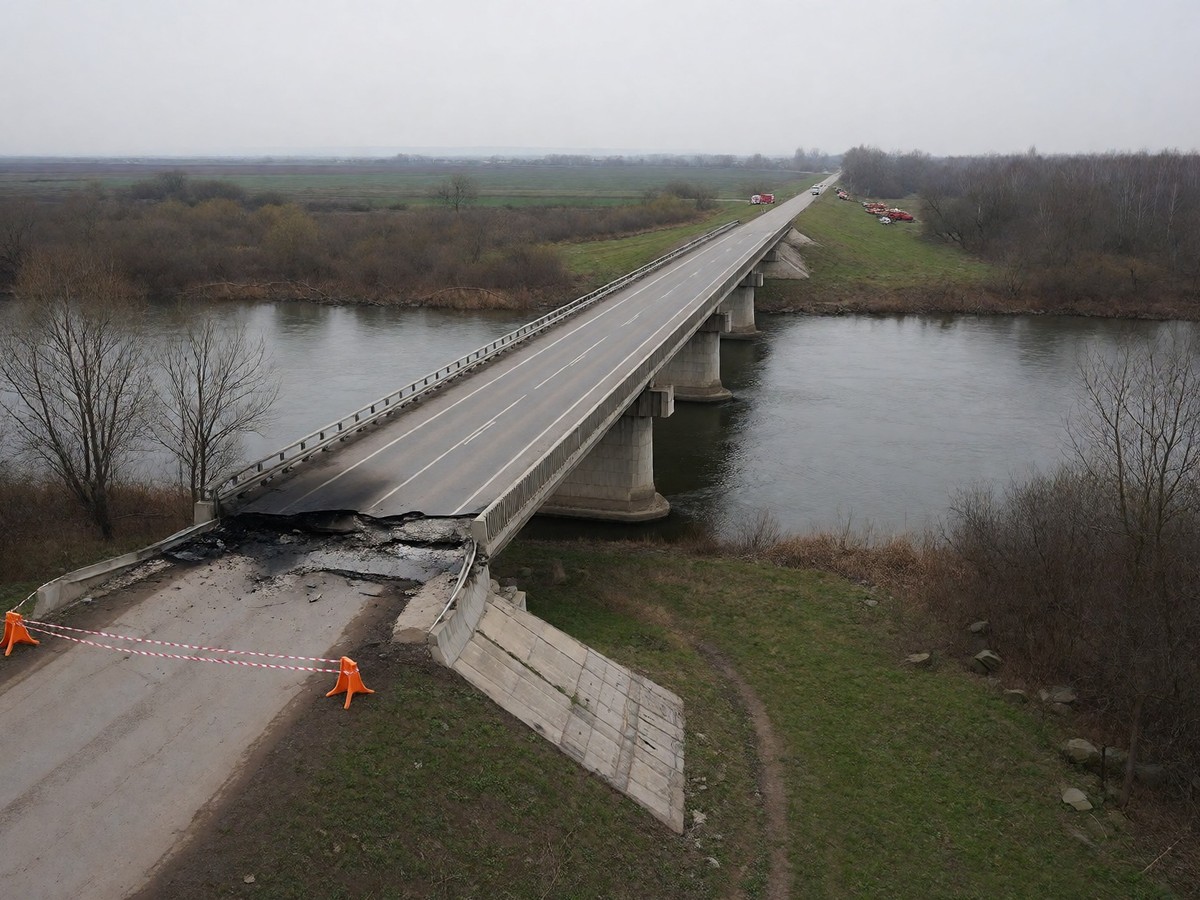
Ukrainian drones damaged a bridge and energy facilities in Rostov Oblast on the morning of Nov. 8, causing traffic closures and blackouts across the region. Regional Governor Yuri Slyusar reported that drone debris struck the bridge over the Mius River, which sits on the R-280 highway at the 97th kilometer mark in Neklinovsky district. This strategic road connects southern Russia with occupied Ukrainian territories including Mariupol, Melitopol, and Crimea. Traffic on the road leading to the bridge has been completely shut down due to the damage. No casualties were reported in the initial strike, though emergency responders are currently clearing the scene before energy workers can begin repairs.
Logistics and Energy Disruption
The attack targeted part of the so-called "highway of death," a route carrying military cargo from mainland Russia to occupied Ukraine. Ukraine’s "middle strike" campaign, launched in spring 2026, has consistently targeted Russian logistics along this specific roadway. The monitoring channel Exilenova-Plus published footage purportedly depicting the attack, claiming the target was struck by an FP-2 drone, although independent verification of these claims remains unavailable at this time. The strike also hit a transformer at the Sulin power substation in Millerovsky district, cutting off electricity in multiple villages. Energy workers will only begin repairs after emergency personnel clear the area, leaving residents without power for the foreseeable future.
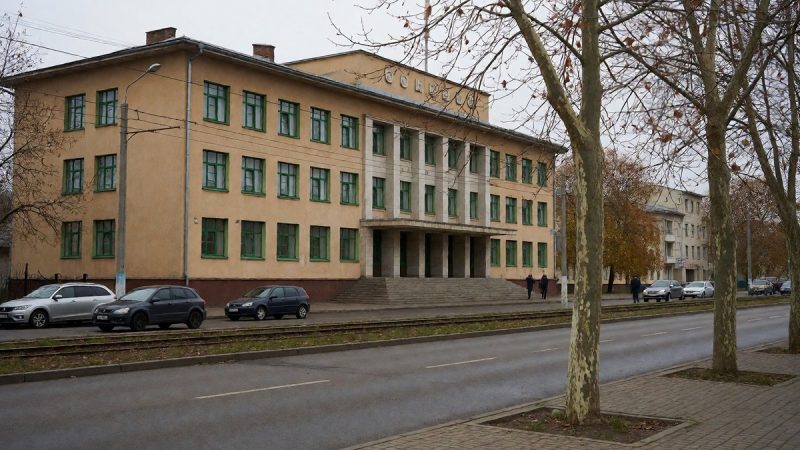
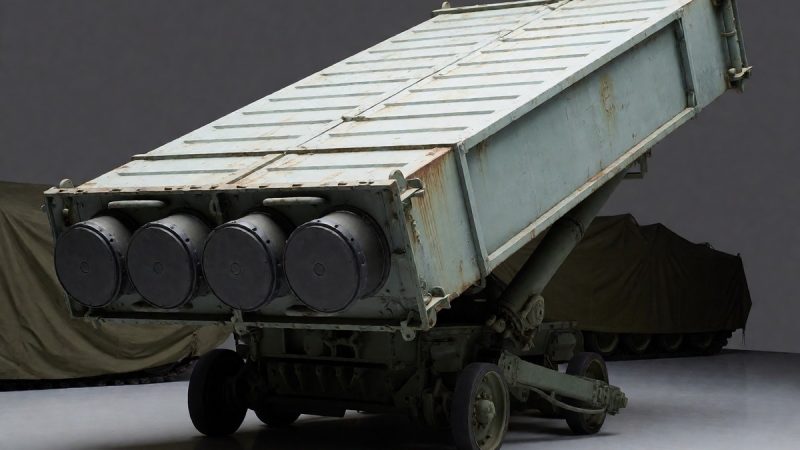
This disruption occurs alongside a broader pattern of strikes on Russian infrastructure. In Oryol, Ukrainian forces used Neptune coastal missile systems to hit the Proton-Elektrotex factory, confirming a direct hit that caused explosions and fires. The General Staff noted that this complicates the production of components for cruise and ballistic missiles used against Ukrainian cities. Meanwhile, the Saratov Oil Refinery was set ablaze after being targeted by Ukrainian forces, according to reports from monitoring channels. These strikes aim to degrade Russia’s ability to sustain its offensive operations by hitting critical supply lines and manufacturing hubs deep within its territory.
Escalation in Kyiv and Peace Talks
Just hours before the Rostov strike, several waves of Russian ballistic missiles hit Kyiv overnight on Nov. 6 to 7, damaging residential buildings, a kindergarten, and the Northern Bridge. At least six people in the city were injured, including a 14-year-old girl, with two requiring hospitalization. Local resident Yuliia Ponomariova, who attended the damaged kindergarten, described the fear of living in the Solomianskyi District, which is often targeted. She stated, "I’m glad I survived, that my parents are safe, and that the flat is intact." The attack happened just hours after President Volodymyry Zelensky warned that Russia was preparing another large-scale infrastructure attack.
In parallel developments, French Foreign Minister Jean-Noel Barrot announced that Europe will join upcoming U.S.-mediated peace talks in Abu Dhabi. He confirmed that France will be well represented, though he did not specify who would lead the delegation. Italian Prime Minister Giorgia Meloni previously called for a dedicated EU envoy to prevent condemning Europe to irrelevance, a stance supported by European Council President Antonio Costa. Costa emphasized that the EU’s participation must convey a clear and unified message to defend its interests and support Ukraine. Despite these diplomatic efforts, the intensity of military exchanges continues to rise, with Ukrainian forces also striking Iskander missile launchers and air defense systems in Bryansk Oblast between Nov. 6 and 7. The General Staff confirmed hits on two Iskander launchers and a Pantsir-S1 system, though the extent of damage to those systems is still being clarified.