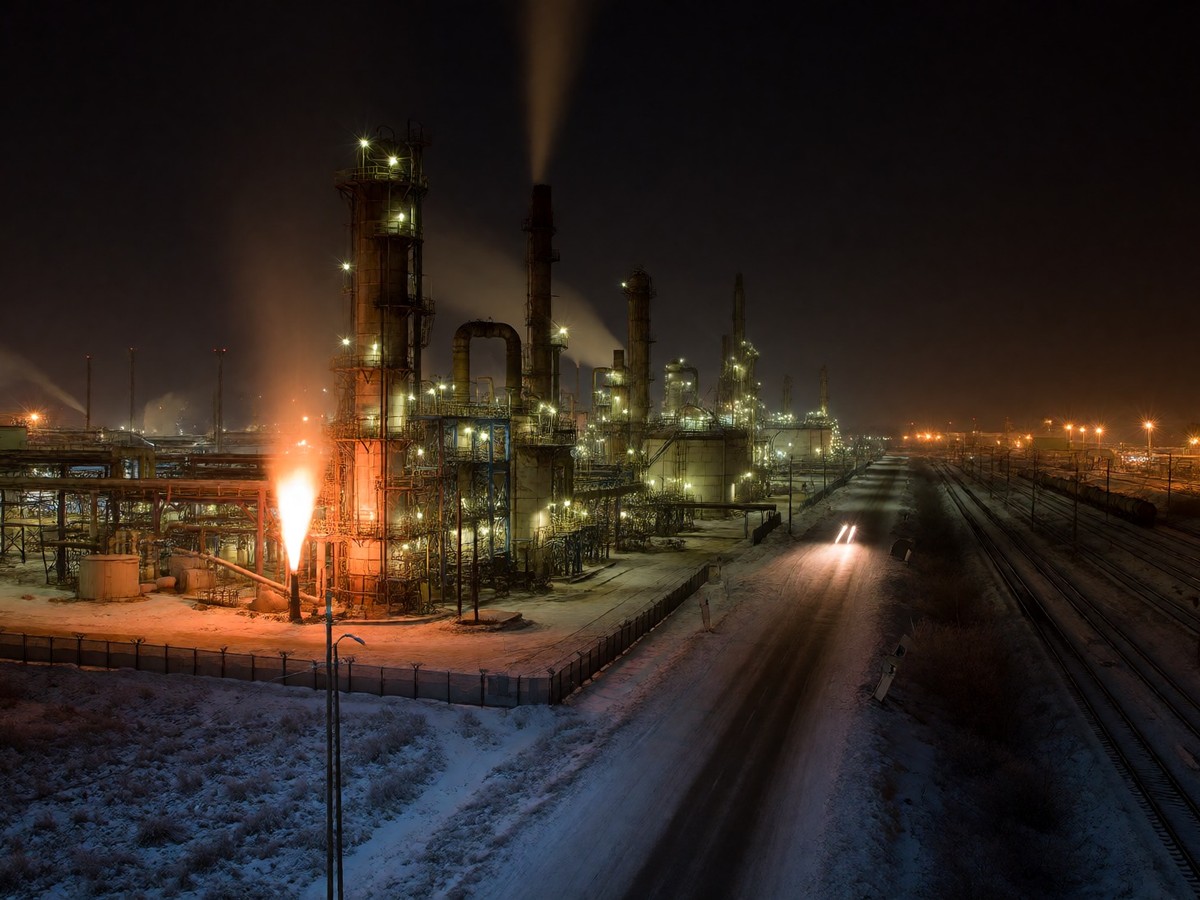
Ukrainian drones attacked the Omsk oil refinery on November 11, sustaining fire for over eight hours. The Siberian city sits approximately 2,500 kilometers from Ukraine’s eastern border, placing it deep within Russian territory. Governor Vitaly Khotsenko urged residents to remain indoors as air raid sirens sounded continuously throughout the day. Local officials reported that emergency workers dispatched to sites impacted by "falling drone debris" did not specify which facilities were struck. Residents described blackouts in several districts and a visible blaze near the refinery site, according to independent monitoring channels.
Strategic Impact of the Strike
The Omsk facility is the largest refinery in Russia by processing capacity, handling over 21 million metric tons of crude annually. It produces one out of every six liters of Russian gasoline and diesel fuel, making it a critical node in the national energy supply chain. Ukrainian forces have struck this specific plant twice before in 2026, with previous attacks occurring in July and October. The General Staff noted that the refinery boasts a refining depth of about 99%, one of the highest rates in the country, and supplies the Russian military with lubricants and petrochemical products. This repeated targeting demonstrates that deep-rear infrastructure is no longer safe from long-range drone strikes.
Operational Context and Verification
President Volodymyr Zelensky has identified "long-range sanctions" as a primary form of leverage against Russia, a strategy enabled by domestic drone development. The success of these systems has made targets like the Omsk refinery newly vulnerable, challenging traditional assumptions about strategic depth. While local Telegram channels confirmed the closure of regional airspace and restrictions on mobile internet during the attack, the precise extent of damage remains unclear. The Kyiv Independent could not independently verify the claims of structural damage at the time of publication. The incident highlights the growing reach of Ukrainian aerial capabilities, forcing Russia to extend its defensive perimeter significantly further east.