Operation Veles and underground combat tactics
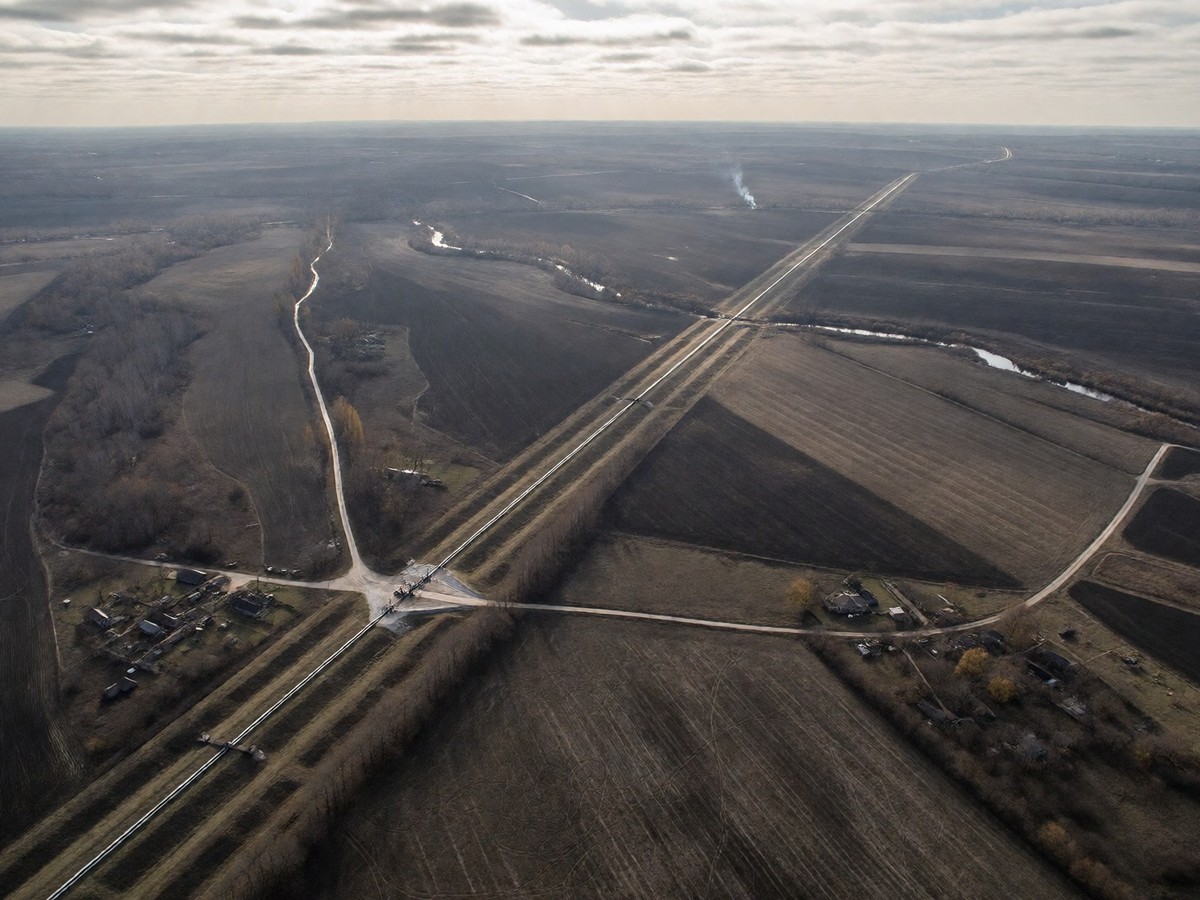
Ukrainian troops from the 2nd Khartiia Corps and other units infiltrated the rear of Russian forces near Kupiansk by moving through 15 kilometers of underground gas pipelines. This operation, which the corps named "Veles," resulted in the capture of more than 30 Russian soldiers and caused over 100 Russian casualties. Brig. Gen. Ihor Obolienskyi said Ukrainian forces studied how Russian troops used underground routes and anticipated they would exploit major gas pipelines in Kharkiv Oblast. "The Russians intended to use the gas routes to penetrate the rear of our forces. So we went underground ourselves," Obolienskyi said. Ukrainian forces combined this underground movement with drone strikes and surface operations to undermine Russian tactics.
Russian forces have used gas pipelines to move troops covertly in the Kupiansk sector on several occasions. In January, Ukrainian troops stopped a Russian assault involving 50 soldiers attempting to advance through the Soyuz gas pipeline. More recently, Khartiia said Russian troops retreating near Kupiansk used civilians as human shields, forcing a group including children and elderly people into the Shebelinka – Ostrogozhsk pipeline. Ukrainian troops did not open fire during that incident because civilians were present. "When the battlefield became transparent, the war went underground," the corps said.
Russian missile strikes and new cruise missile data
Russian ballistic missiles and cluster munitions struck transport and medical infrastructure in Kyiv in several waves overnight on October 22, killing two people and injuring 34 others. President Volodymyr Zelensky said the strikes hit the historic Pechersk district, where one missile struck an area between the Kyiv-Pechersk Lavra and the Sviato-Vvedensky Monastery. Presidential adviser Serhii "Flash" Beskrestnov said the Iskander missile carried a K5 cluster munitions warhead that explodes above the ground to cause maximum damage to people and equipment in a 400 by 400 meter area. This deadly strike occurred hours after U.S. special envoy Steve Witkoff visited Russian President Vladimir Putin in St. Petersburg and described him as a "humanitarian." The Kyiv City Prosecutor’s Office reported that strikes hit the Holosiivskyi, Obolonskyi, Pecherskyi, Svyatoshynskyi and Dnipro districts. Among the injured are four children, one of whom the State Emergency Service said was hospitalized.
The Air Force reported that Russia launched 21 missiles and 210 drones, including 110 jet-powered versions, during the mass attack. Ukrainian air defenses shot down 181 drones, including 87 jet-powered ones, while debris from intercepted targets fell at eight locations. Ukrainian military intelligence (HUR) also released technical specifications for a new Russian cruise missile called "Filin" that Russia began using at the end of summer.
| Feature | Specification |
|---|---|
| Missile length | 3.5 meters |
| Wingspan | 3 meters |
| Warhead weight | 50 or 100 kilograms |
| Top speed | 800 kilometers per hour |
| Range | 1,200 kilometers |
| Maximum altitude | 6 kilometers |
The "Filin" missile includes 35 U.S.-made components and various Chinese parts, according to HUR. The missile uses a Russian-made R500 engine produced by Reynolds LLC.
NATO procurement and partisan interference
Ukraine enters a partnership with the NATO Support and Procurement Agency to gain faster access to weapons and ammunition. Jacqueline Borsboom, NSPA’s director of support to operations, told the Financial Times that this arrangement provides Ukraine with a structured framework to leverage NATO procurement expertise and industrial bases. The NSPA held an event in Kyiv last week where about 150 Ukrainian companies learned how to register as eligible suppliers to compete for contracts. This mechanism follows the Prioritised Ukraine Requirements List, which funded more than $6 billion in military equipment since the initiative launched in July 2025. This arrangement allows Kyiv to use NATO’s existing supplier network rather than negotiating every purchase independently.
The Ukrainian partisan group Atesh claimed they disrupted Russian military communication lines near IXcellerate, one of Moscow’s largest commercial data center operators. The group said the disruption targets Russian air-defense coordination to help Ukrainian drones reach targets. The group claims the Russian Defense Ministry uses IXcellerate infrastructure to hide military traffic within civilian server networks. Atesh did not provide details on the extent or duration of the disruption, and Russian authorities did not confirm the impact.