Radev breaks EU consensus
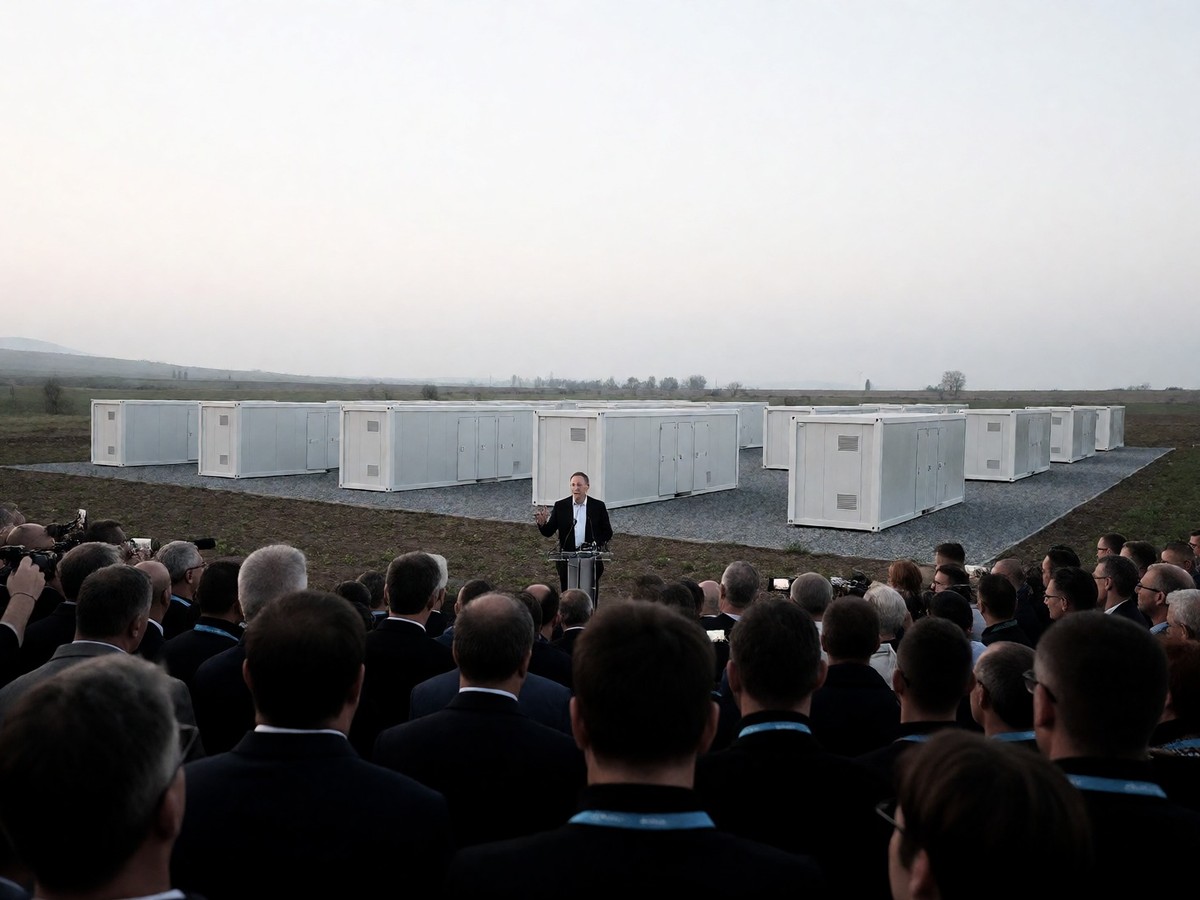
Prime Minister Rumen Radev says Bulgaria will not contribute to the extra €70bn Ukraine requested from the EU to cover its 2027 funding gap. He spoke to reporters in Tvarditsa on October 20 while attending the start of a battery energy storage park. Radev noted the EU already agreed to give Ukraine a €90bn loan, which includes €45bn planned for 2027, and asked: "How does that look to you against the backdrop of everything happening in Europe?" This refusal follows Czech Prime Minister Andrej Babis stating that Czechia will not guarantee borrowed EU money for Ukraine after the October 15-16 summit. EU leaders at that summit agreed the €70bn gap had to be covered but left open who would pay. I see Radev’s position as a direct challenge to those leaders, especially as the bloc’s seven-year budget requires unanimity. Because of this, his stance complicates the European Commission’s task to present a plan regarding who will pay for the shortfall. Zelenskiy told the summit that the war will cost Ukraine €155bn in 2027 and asked for at least €70bn from Europe.
| Financial Figures | Amount |
|---|---|
| Ukraine 2027 war cost | €155bn |
| Requested EU gap coverage | €70bn |
| Total EU loan for 2026-2027 | €90bn |
| Planned 2027 EU loan portion | €45bn |
Economic instability and diplomatic calls
Radev, who served as Bulgaria’s president from 2017 until becoming prime minister in April, argued that European prosperity is "draining into this war" and blamed public discontent in France and Italy on uncontrolled migration. He also blamed the Green Deal, de-industrialisation, failed integration, and job losses for the social tension and political instability draining Europe’s economies. Radev said no military solution is in sight because the front line has been frozen for more than a year. He called for diplomacy to end the war as soon as possible, a position the Kremlin welcomed at the start of October when he asked for Europe to keep channels to Russia open. I find his criticism of continued European arms supplies to Ukraine to be a sharp departure from the previous consensus. The Commission should set out further options in November, while leaders hold an extraordinary summit on the EU budget on November 26.