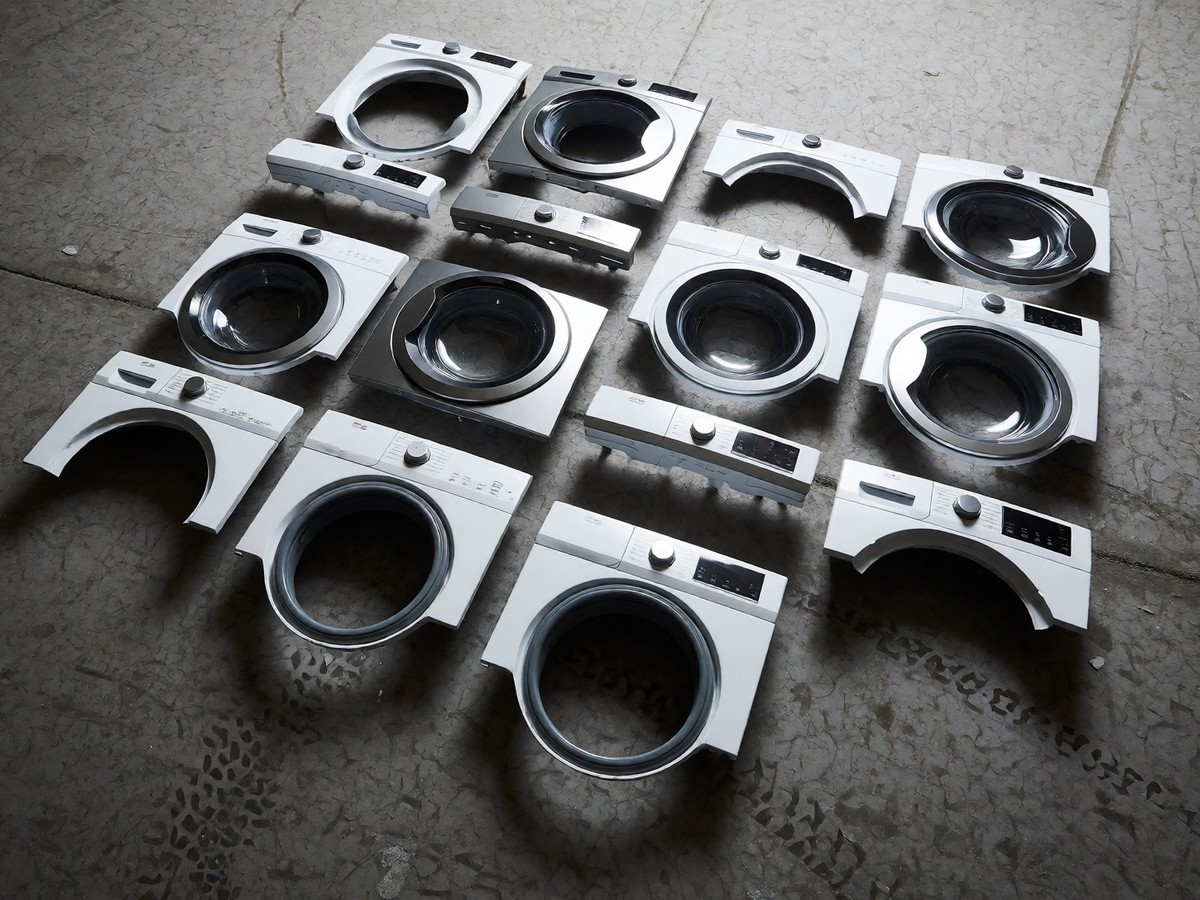
In the first seven months of 2026, China shipped almost three times as many household appliances to the EU as Poland did. Deliveries from China rose 12.1% year-on-year to more than 26.5 million units, while those from Poland slipped 0.8% to 9.1 million. This volume gap gives China a market share exceeding 38%, compared to just 13.2% for Poland. By value, imports from China increased 12.9% to over €3.2 billion, whereas Polish supplies fell 6% to just over €2 billion. These figures indicate that Polish manufacturers are paying to hold onto their volumes, as sales dropped 6% on only 0.8% fewer units. That implies an average price reduction of about 5%, while China’s average price barely moved.
Cost structures and political pressure
Building a washing machine costs about €150 in China, €220 in Turkey, and €270 in Poland, according to importers. Robert Stobinski, chief executive of Amica, cited a 2024 OECD study that put government support for China’s appliance industry at six times the EU level. He warned that without equal conditions of competition, they cannot compete with producers from Asia. Stobinski noted that five factories closed last year alone, one Spanish producer was bought by Midea, and one French producer went bankrupt. The risk of more closures rises sharply within a few years, he added. Poland has about 30 large-appliance factories employing more than 100,000 people, a number that is falling. EU output of large appliances has dropped 22% in five years.
Poland and five other governments asked the European Commission in September to draw up a dedicated plan for the sector. They said Asia’s share of household appliances had grown from 15.3% in 2014 to 28.2% in 2024. Executive Vice-President Stephane Sejourne replied that Brussels had already taken steps, including revising its Carbon Border Adjustment Mechanism (CBAM). However, CBAM offers little relief as it stands because importers of finished machines do not carry carbon costs. The Commission proposed extending the levy to washing machines, fridges, and dryers in 2028, but leaving out dishwashers. Even a wider list would add only an estimated €2-€3 to a Chinese machine, against a cost gap of more than €100 on a washing machine. Wojciech Konecki, head of APPLiA Polska, stated that talking about levelling the playing field is no longer enough. Maurizio David Sberna of Beko Europe was blunter: "Without quick decisions we will soon be talking about closing plants and job losses instead of competitiveness."