Unit 1 reconnection at Cernavoda
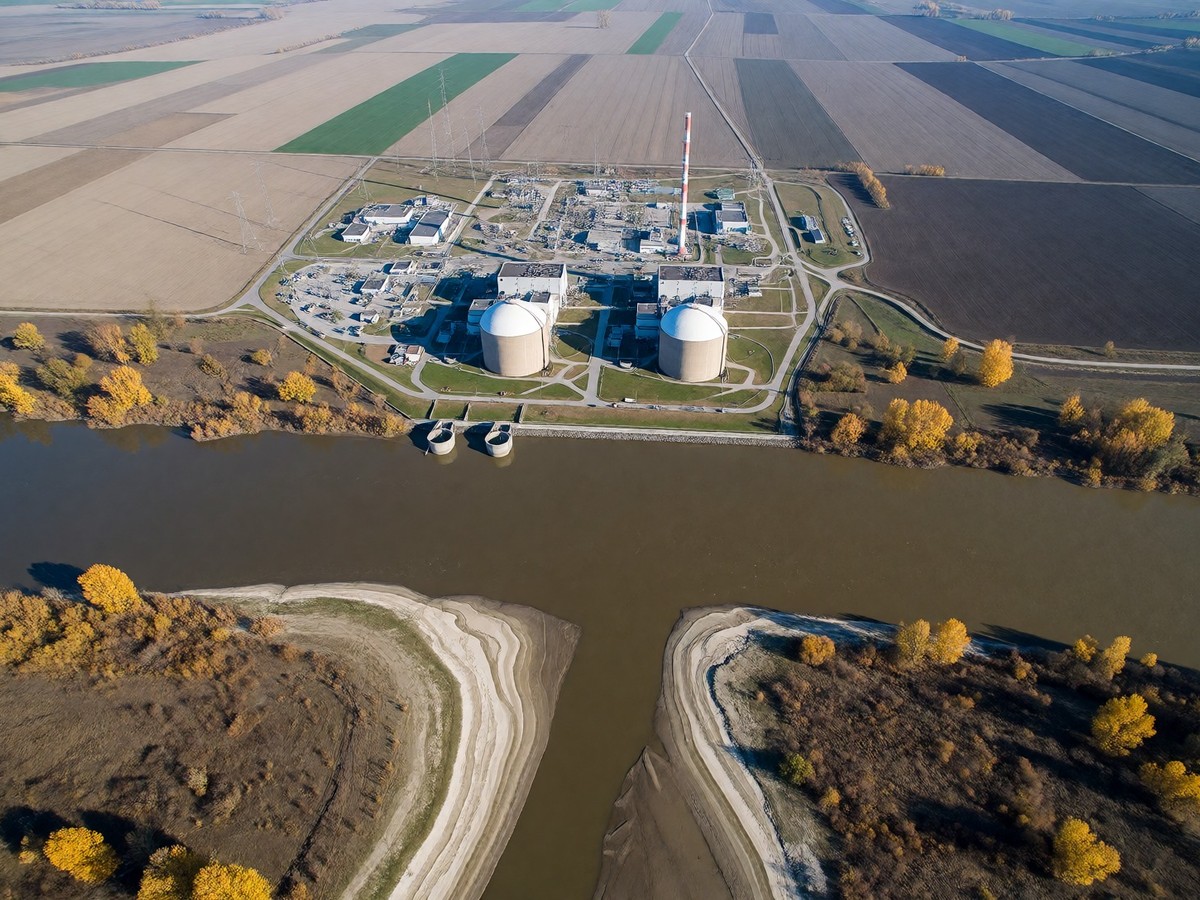
Nuclearelectrica reconnected Unit 1 of the Cernavoda nuclear power plant to the national grid on Thursday because rising Danube water levels met the conditions for safe operation. The state-owned operator expects the reactor to return to full capacity by November 7. This reconnection follows a summer shutdown where exceptionally low water levels in the Danube threatened the supply of cooling water. Unit 1 was taken offline on July 28, and Unit 2 was taken offline on August 13. Mihai Gioara, CEO of Nuclearelectrica, said, "Resuming the operation of Unit 1 is an important step towards ensuring the country’s energy security and the stability of the national power system." The facility requires sufficient water from the Danube to maintain safe operating conditions for its reactors.
The two reactors normally generate around one-fifth of the electricity needs for Romania. The shutdowns reduced domestic electricity production and increased reliance on coal-fired power plants, hydropower and electricity imports, which put significant pressure on wholesale and consumer prices across the country. This summer shutdown of both reactors was a significant blow to energy security as the country struggled to maintain its domestic supply.
Energy security and price pressures
Unit 2 remains offline because its restart depends on a more sustained recovery in Danube water levels. The government has extended a state of alert over energy security through November because warnings suggest electricity reserves could become insufficient during peak-demand periods. Authorities ruled out consumption restrictions, but they warn that electricity bills could rise as Romania continues to rely on imports to cover part of its domestic demand. This situation places additional pressure on the national power system during periods of high usage.
| Reactor Status | Shutdown Date | Expected Full Capacity |
|---|---|---|
| Unit 1 | July 28 | November 7 |
| Unit 2 | August 13 | TBD |
Romania faces its most difficult energy situation in decades. The shutdowns at Cernavoda reduced domestic electricity production and forced the country to rely on coal-fired power plants, hydropower and electricity imports to meet part of its domestic demand. This increased reliance on imports puts pressure on consumer prices, and the government warns that electricity bills could rise as the country continues to cover part of its demand with imports.