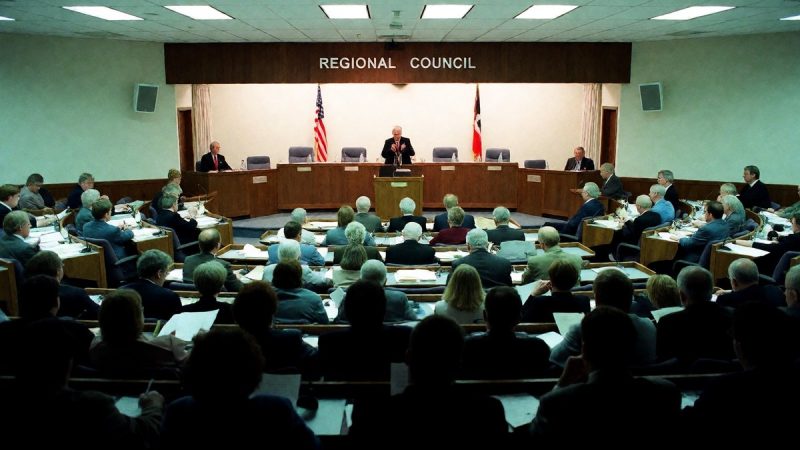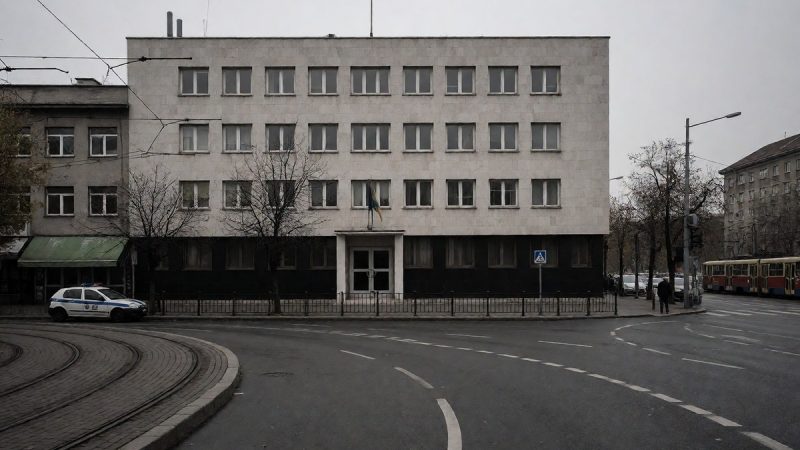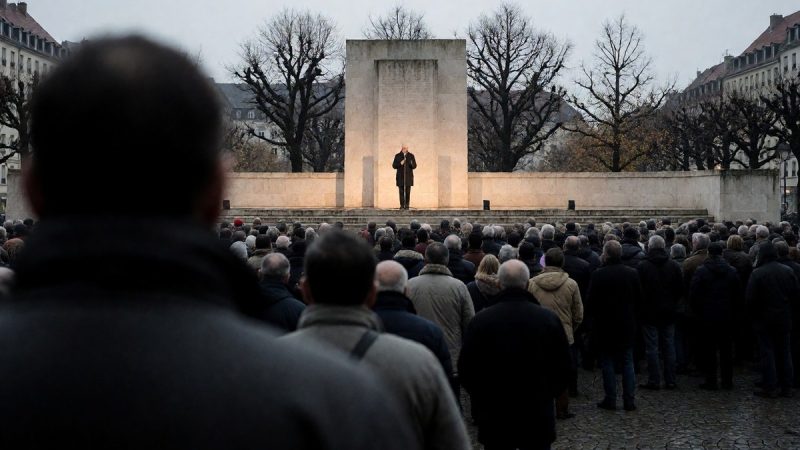
The Belgrade Court of Appeal upheld the acquittal of Novakovic in August after his initial acquittal in May, while the Humanitarian Law Centre reported this month that the court also found Milenko Karlica not guilty in the Belgrade proceedings. I find the legal reasoning in these proceedings problematic because the Serbian prosecution refused to include charges of crimes against humanity, meaning the indictment did not cover the same factual or legal framework as the original indictment transferred from Bosnia. Cestic Jelovac noted that the prosecution failed to submit new evidence and criticized the judge for not assessing the presented evidence in an appropriate manner during the trial. The judge stated that women and children were transported by tractor to Urije to be sheltered, a claim Jelovac calls unacceptable because the court ignored the broader context of the attack on Alici and Ekici. I view the court’s failure to consider the role of the accused through the context of the event and the treatment of civilians before the indictment as a significant flaw in the Karlica proceedings. This acquittal fuels my doubt about the reliability of transferring such cases to Belgrade.
Patterns of delay in Serbian courts
Alic, who testified in the Belgrade proceedings, said he was "disappointed" and observed that "as time passes and you follow these proceedings, you come to see that certain people are simply going through the motions." Murat Tahirovic, president of the Association of Victims and Witnesses of Genocide in Bosnia, says these verdicts fit a pattern in Serbia. He points to the case involving eight Bosnian Serb former police officers charged with the execution of more than 1,300 Bosniak civilians at a warehouse in the village of Kravica in July 1995. This trial started in 2015 and has dragged on for 11 years as there is always a reason to postpone it. Tahirovic argues that any case transferred to Serbia will lack a necessary epilogue since convictions often lead to minimal sentences. I agree that the lack of progress in the Kravica case, which involves the deaths of over 1,300 people, shows how difficult it is to get a real result in these transferred trials.