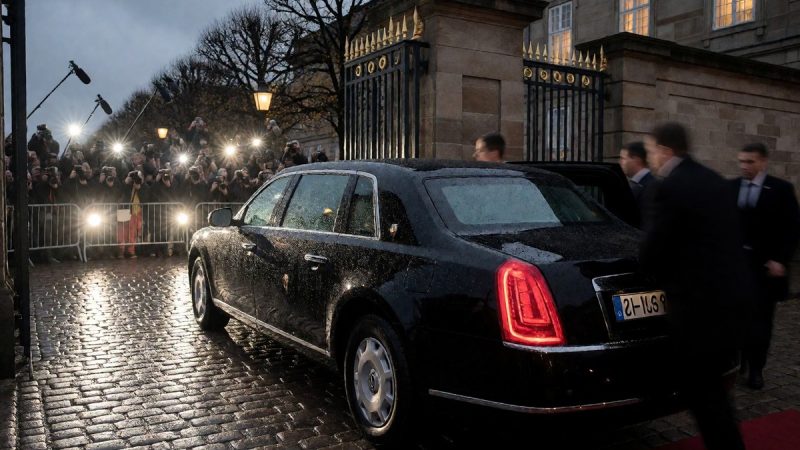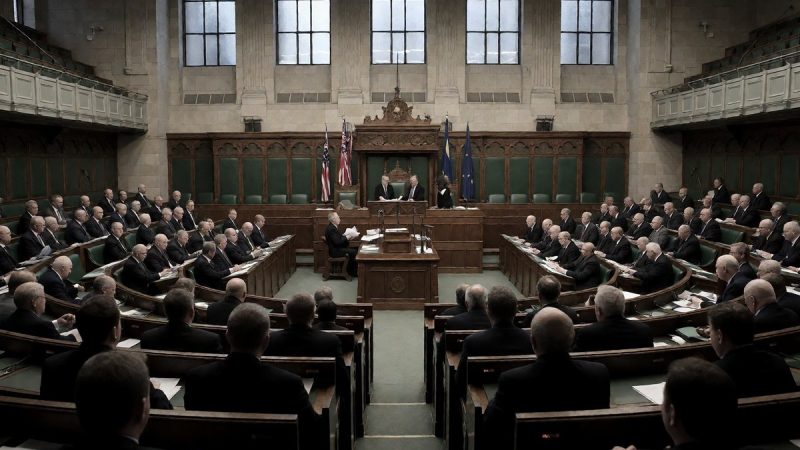
Hungary withheld approval for the screening results of Ukraine’s last two accession clusters at the COELA meeting in Brussels on November 10. One EU diplomat described Budapest’s position as "No change," confirming that Prime Minister Peter Magyar’s government remains willing to block progress despite an October reset with Kyiv. This second refusal within three weeks underscores that Hungary retains veto power over Ukraine’s bid, even after President Volodymyr Zelenskiy and Magyar agreed to rebuild relations four days before the initial blockage on October 20.
The Blocked Clusters
The blocked clusters cover specific policy areas where technical disagreements persist. Cluster 4, titled "Green agenda and sustainable connectivity," encompasses transport, energy, trans-European networks, environment, and climate change. Cluster 5, named "Resources, agriculture and cohesion," covers agriculture, food safety, fisheries, regional policy, and financial provisions. Approving these screening results is a preliminary step; opening each cluster still requires the unanimous agreement of all 27 member states. Deputy Prime Minister Vsevolod Chentsov stated on November 4 that Hungary is making no new demands on minority rights but needs time to examine further documents. This delay specifically impacts Ukraine’s farm sector, as Kyiv has rejected permanent EU curbs on its grain exports after accession.
Political Consequences
Ukraine has already opened four of its six clusters, including fundamentals in June and external relations in July. The internal market and competitiveness clusters opened on October 13 only after Hungary dropped its objection once the Verkhovna Rada passed amendments on minority-language schooling. The European Commission’s 2026 enlargement report suggests Kyiv could conclude talks by the end of 2028, though Magyar has kept his campaign pledge to hold a referendum on membership. Moldova, which moved through the process in step with Ukraine, also saw its screening results for the same two clusters rejected. Some EU diplomats expect the candidates to be decoupled so Moldova can move ahead without waiting for Budapest to settle differences with Kyiv. The Commission notes Chisinau could conclude talks by early 2028, acknowledging that Moldova has overtaken Ukraine in the roadmap.