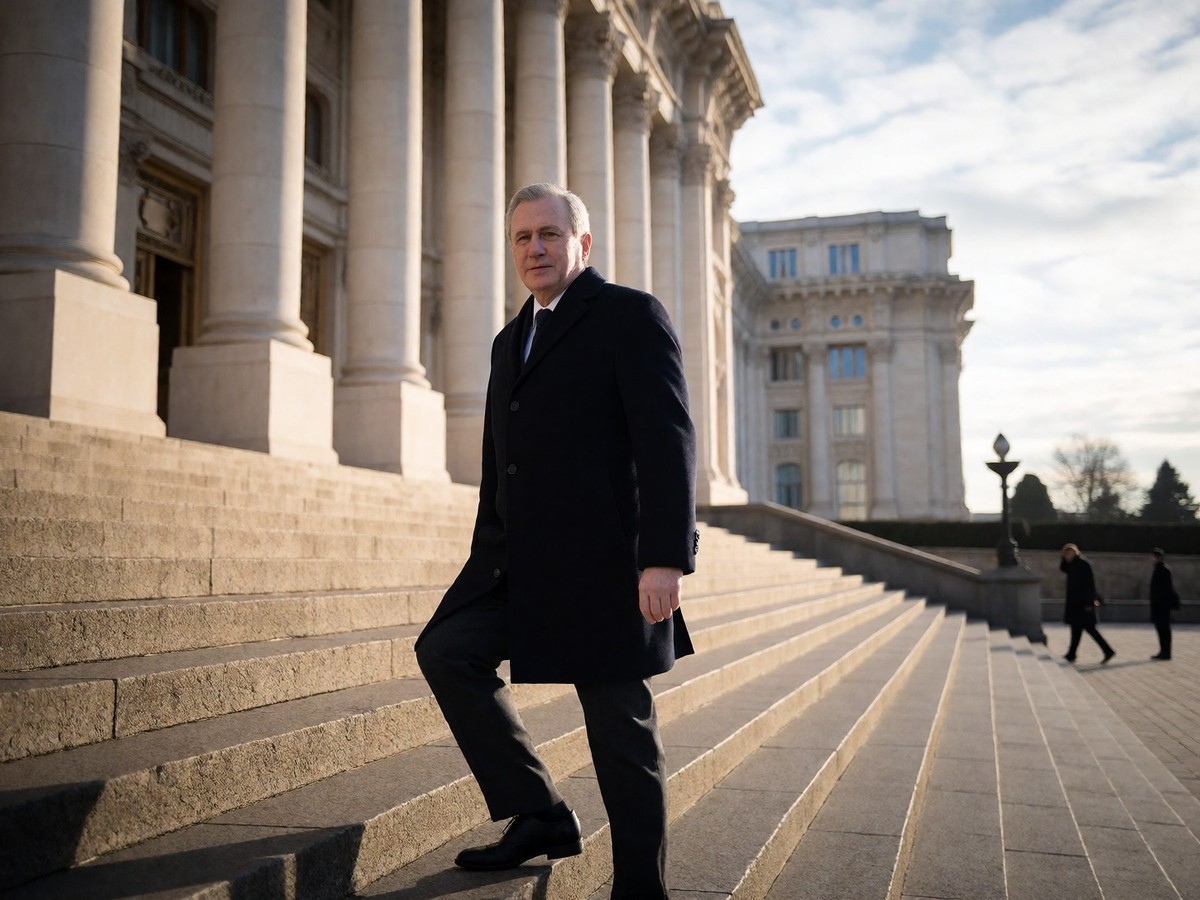
Luca Niculescu won a parliamentary confidence vote on Tuesday, October 20, 2026, receiving 280 votes in favor and 55 against. This result easily exceeds the 233 votes required for confirmation and establishes a government led by the 55-year-old former diplomat. The cabinet includes 11 ministers from the Social Democratic Party (PSD) and seven independents. The Social Democratic Party (PSD) and the Liberal Party (PNL) provided support, along with several smaller parliamentary groups, though lawmakers from nationalist parties and the Union to Save Romania (USR) opposed him. Niculescu, who entered public service in 2016 as Romania’s ambassador to France and spent four years as a state secretary at the Foreign Ministry coordinating Romania’s accession to the OECD, stated, "Romania has no more time to lose." He added, "I am an independent PM, but beyond our different political choices … we share a common responsibility for the future, which we have a duty to build together." This victory provides the necessary footing to address energy security and the budget revisions in the coming months.
Political instability and economic needs
The new administration must secure 11 billion euros in EU recovery funds and protect Romania’s investment-grade credit rating as it begins its mandate. President Nicusor Dan nominated Niculescu on October 5, and this was the fourth attempt by Dan to name a prime minister in the five months since the government of Ilie Bolojan lost a no-confidence motion on May 5. This political instability follows the breakdown of a June 2025 coalition that included the center-left PSD, the center-right PNL, and two smaller center-right parties to curb the rise of the far-right Alliance for the Union of Romanians (AUR). The previous coalition collapsed because the Social Democrats withdrew support following unpopular austerity measures used to reduce the significant budget deficit. Earlier attempts to form a government during this crisis failed under leaders such as Eugen Tomac and Adrian Vestea, whose proposed program parliament rejected three weeks after June 6, while Siegfried Muresan also failed to secure enough support on September 30. The Niculescu government must now manage the massive economic burden of the largest budget deficit currently in the European Union.