Lviv council decision
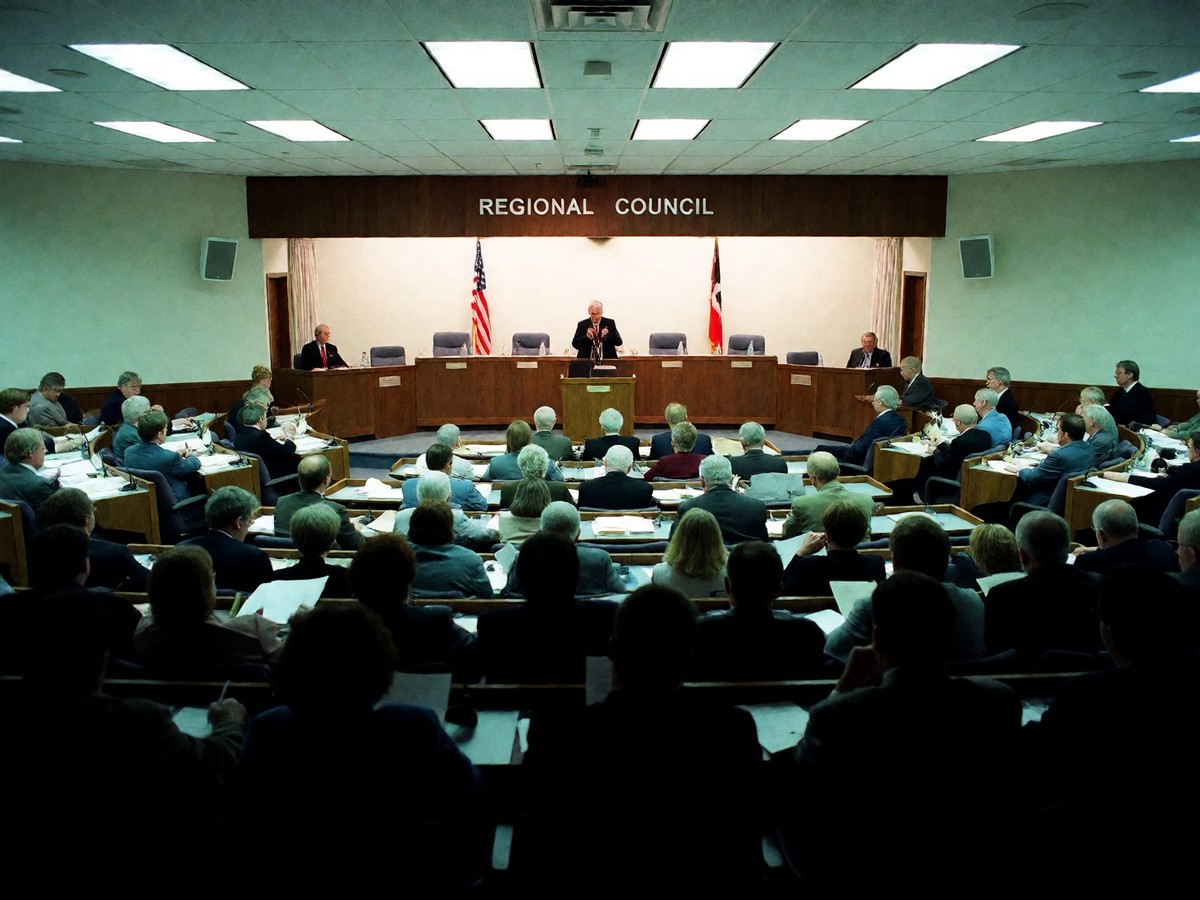
The Lviv Oblast Council on Oct 20 adopted decrees declaring 2027 as the Year of the UPA, the Year of Shukhevych, and the Year of Oleh Olzhych. This move by local authorities in western Ukraine immediately drew condemnation from Warsaw. Piotr Lukasiewicz, Poland’s charge d’affaires in Kyiv, stated that glorifying the UPA and criminal figures runs counter to European values and the strategic and neighborly relations between Ukraine and Poland. Poland’s defense and foreign ministries also decried the decision, stating it does not build mutual trust. I believe this local move is a direct blow to the diplomatic progress President Volodymyr Zelensky claimed occurred just days ago when he said relations had finally improved on Oct 18. The Ukrainian foreign ministry issued a statement saying the Lviv Oblast Council decision is counterproductive to current efforts to develop Ukrainian-Polish relations and resolve contentious issues amid Russia’s full-scale aggression. The ministry also noted that regional council members took this step without consulting the central government or the foreign ministry. They also called on the Polish side to refrain from rash steps that could undermine the normalization of relations. Sviatoslav Sheremeta, the head of the regional council’s cultural committee, said: "This is our history, our heroes, and we must duly honor their memory."
Contentious shared history
The conflict involves the legacy of Roman Shukhevych, the supreme commander of the Ukrainian Insurgent Army (UPA) from 1943 until his death in a 1950 gunfight with Soviet security forces. The UPA formed in 1942 as the military arm of the Organization of Ukrainian Nationalists, specifically the faction led by Stepan Bandera. Poland’s Institute of National Remembrance identifies Shukhevych as "an architect" of the Volyn massacres and "co-founder of collaborationist units operating alongside Germany." These massacres between 1943 and 1945 killed tens of thousands of Poles in what is now western Ukraine. Thousands of Ukrainians also died in retaliatory attacks, making the massacres one of the most painful chapters in the shared history of both nations. Shukhevych also commanded the Nachtigall Battalion in 1941, a unit staffed by Ukrainians and organized by German military intelligence. Myroslav Shkandrij, a professor at the University of Manitoba, told the Kyiv Independent that some Ukrainian historians suggest the order of ethnic cleansing in Volyn did not come directly from Shukhevych but was an initiative of the local UPA leadership. Shkandrij noted that Shukhevych has become a symbol, and symbols, whether they represent heroism or villainy, are resistant to facts. Olesia Isaiuk, a historian at the Center for Research on the Liberation Movement, told the Kyiv Independent that Shukhevych is a national hero for Ukrainians because he fought against the Nazis and the Soviets.
Diplomatic fallout and political consequences
Polish Foreign Minister Radoslaw Sikorski requested on Oct 21 that Sviatoslav Sheremeta be placed on Poland’s list of undesirable persons. This action could bar Sheremeta from the entire Schengen area for five years. This diplomatic friction follows an incident earlier this year when President Karol Nawrocki stripped Zelensky of the Order of the White Eagle after Zelensky conferred a title on a military unit in honor of the UPA. The Polish government faces rising challenges from right-wing parties in elections next year, in which the coalition led by centrist Prime Minister Donald Tusk faces a challenge from right-wing and far-right parties. Sergiy Solodkyy, the director of the New Europe Center, told the Kyiv Independent that additional foreign policy challenges are the last thing Ukraine needs during its dialogue with the United States and while European support is becoming more critical. I see this regional decision as a reckless move that risks destroying the normalization of relations when Ukraine needs European support most. Iryna Vereshchuk, Zelensky’s deputy chief of staff, told the Kyiv Independent that the only winner from the tension in Ukraine-Poland relations is Russia.