Warsaw’s reaction to the Lviv council
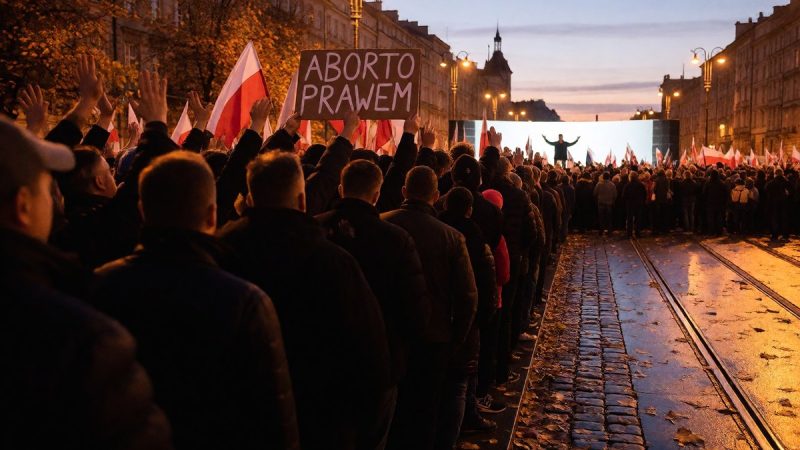
Poland’s condemnation of the Lviv regional council’s decision to honor figures from the Ukrainian Insurgent Army is a direct response to what Warsaw describes as the glorification of criminals. On Tuesday, the Lviv regional council adopted resolutions to proclaim 2027 as the year for the UPA, Roman Shukhevych, and Oleh Olzhych. Sviatoslav Sheremeta, who chairs the region’s culture committee, said these decisions will pave the way for "large-scale events" to commemorate the UPA, Shukhevych, and Olzhych. "This is our history, our heroes, and we must duly honour their memory," Sheremeta told Sokal Voice. Polish foreign ministry spokesman Maciej Wewior told Wirtualna Polska that glorifying the UPA and "criminal figures is contrary to European values and the strategic and good-neighbourly nature of relations between Poland and Ukraine." Wewior said Shukhevych is "stained with the blood of thousands of innocent victims, people who were murdered simply because they were Poles." He also noted the UPA killed Jews, Czechs, Armenians, and Ukrainians. The UPA emerged in 1942 from a radical faction of the Organisation of Ukrainian Nationalists (OUN), which sought independence. While some in Ukraine view the UPA positively for fighting Soviet rule, Poland associates the group with the Volhynia massacres that killed around 100,000 Poles, mostly women and children. Wladyslaw Kosiniak-Kamysz, Poland’s deputy prime minister and defence minister, called Lviv’s actions "unacceptable" and called on Ukrainian national authorities to distance themselves from the decision.
Historical disputes and diplomatic consequences
The Polish Institute of National Remembrance (IPN) also condemned the resolutions and called Shukhevych "an architect of the genocide in Volhynia." The institute also called him a "co-founder of collaborationist units operating alongside Germany." The IPN released a quote from an order issued by Shukhevych which stated: "Cut them down to the last man. Burn villages inhabited exclusively by Poles; in mixed villages, eliminate only the Polish population." Although the IPN noted that Olzhych led a group that condemned crimes committed by the more radical faction of the OUN, the Lviv resolutions still include him. Polish foreign minister Radoslaw Sikorski signed a motion on Wednesday to place Sviatoslav Sheremeta, who led the efforts to commemorate the UPA and Shukhevych in Lviv, on Poland’s "list of undesirable persons." This diplomatic friction follows a crisis earlier this year when President Volodymyr Zelensky named a military unit after the "heroes of the UPA." Such commemorations could harm Ukraine’s chances of joining the European Union because Poland can veto accession. These tensions follow a period of movement toward reconciliation, such as Ukraine lifting a ban on exhuming Volhynia massacre victims last year and Zelensky’s July promise to approve more exhumations. This month, the head of the IPN and its Ukrainian counterpart held their first meeting since 2018 to address such issues.