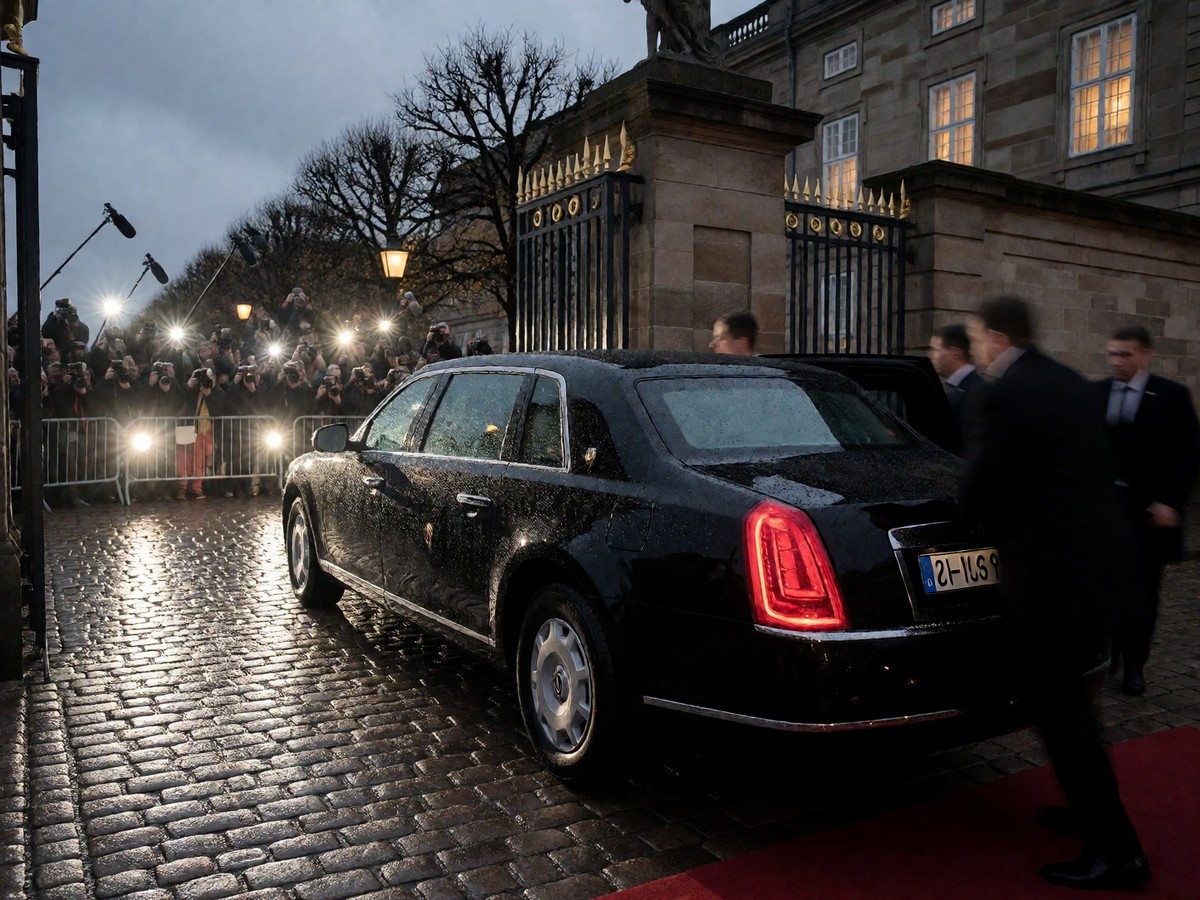
President Volodymyr Zelensky arrived in Denmark on Nov. 10 to meet Danish Prime Minister Mette Frederiksen and other Nordic leaders. He is visiting the country for the fifth time since Russia’s full-scale invasion began in 2022. The visit coincides with Ukrainian, Russian, and U.S. officials resuming trilateral peace talks in Abu Dhabi earlier that same day after a nine-month pause. This timing suggests a direct link between diplomatic efforts and military support discussions.
Defense Priorities and Agenda
Zelensky stated on social media that "The main priority is our security and strengthening our defense." He confirmed that new steps will enhance Ukraine’s defense capabilities, specifically citing a strong defense package from Denmark. According to the Danish prime minister’s office, the talks focus on military support for Ukraine and European security. The agenda also includes Ukraine’s urgent need for air defense and protection of its energy sector.
Frederiksen said, "We must continue our support, and we must learn from Ukraine’s experiences and insights so that, together, we can protect Europe." She emphasized the necessity of learning from ongoing conflicts to safeguard the continent. The schedule includes meetings with Danish lawmakers, leading defense companies, King Frederik X, and the prime ministers of Norway, Sweden, Iceland, and Finland. These interactions aim to solidify regional cooperation on defense matters.
Context of Recent Attacks
Russian attacks have pummeled Ukraine recently, causing severe power and water shortages due to a shortage of air defense systems. The United Nations reports that the first two weeks of October saw some of the highest rates of civilian deaths since the start of the war. This grim reality underscores the immediate pressure on Nordic leaders to provide tangible aid. The lack of sufficient air defense systems has left critical infrastructure vulnerable to sustained strikes.
I view this visit as a critical moment for coordinating long-term security strategies. The specific mention of energy sector protection highlights how modern warfare targets civilian resilience directly. While peace talks resume in Abu Dhabi, the military dimension remains the primary focus in Copenhagen. The inclusion of defense company representatives signals a shift toward industrial partnerships rather than just financial aid. This approach ensures sustainable capability building for Ukraine. The convergence of political and industrial stakeholders creates a robust framework for future support.
The details confirm that Denmark leads the initiative with a dedicated defense package. Other Nordic nations join to amplify this commitment through their respective prime ministers. The presence of King Frederik X adds a layer of state-level endorsement to the discussions. Such high-level engagement indicates the seriousness with which these countries treat the conflict. The outcome of these talks will likely shape the next phase of European security policy.