Strategic expansion of monitoring
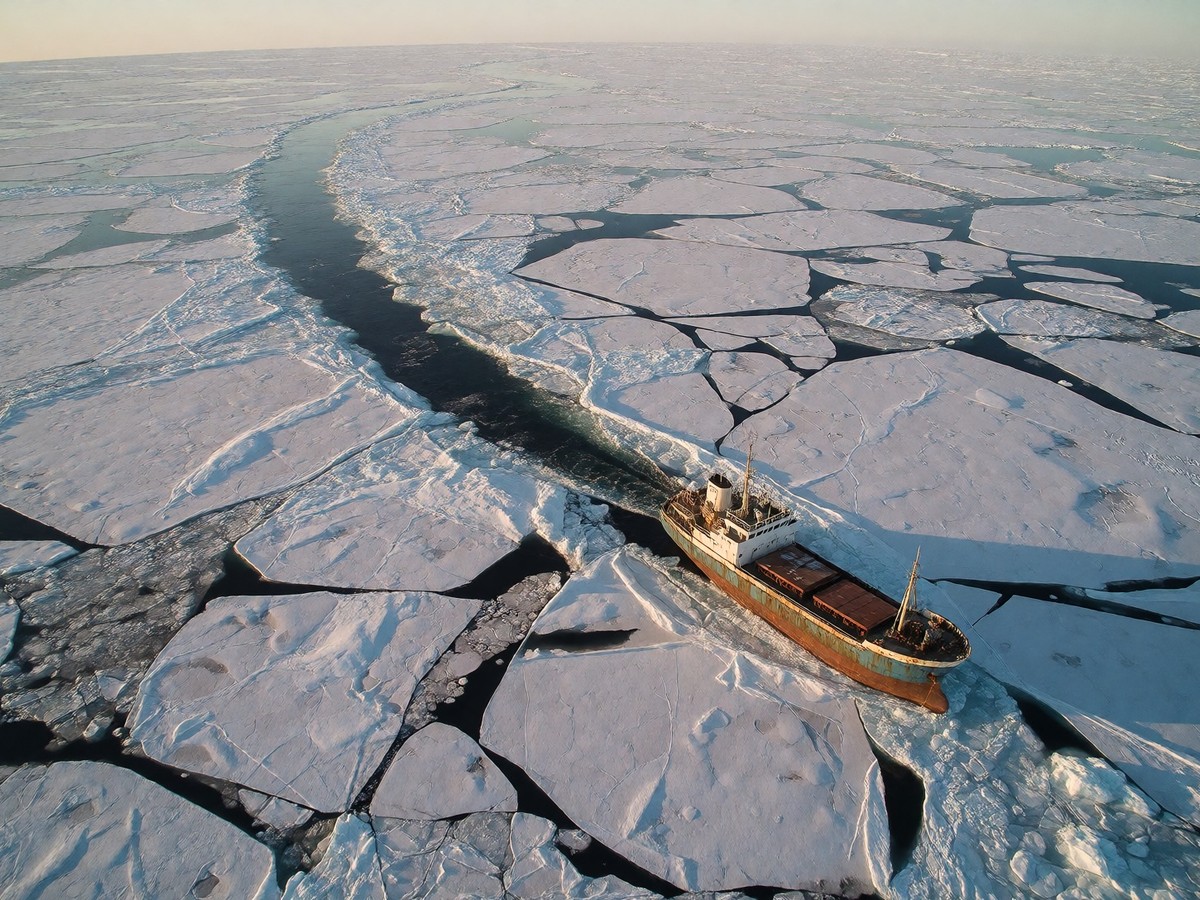
The EU expands its maritime tracking from the Mediterranean and Baltic Seas to the North Atlantic and Arctic Oceans through a new Arctic Strategy. I recommend this strategy because it specifically targets Russia’s attempt to use the region to bypass sanctions via a shadow fleet of old, dilapidated ships. These vessels increasingly encounter European navies and coast guards during interception efforts. The plan addresses how Russia rebuilds its Arctic military footprint and uses hybrid strategies against neighbors. Ursula von der Leyen, the European Commission President, said Russia’s actions in the Arctic impact the EU as a whole. A senior EU official noted that the merger of Russia’s Baltic Sea and Arctic fleets shows Moscow considers the two regions interconnected. The strategy aims to increase protection for critical infrastructure and monitor for potential acts of sabotage or the movement of Russia’s shadow fleet through the North Atlantic and Arctic Oceans.
Infrastructure tools and operational gaps
The strategy introduces new tools, including an Arctic Cable Club to protect subsea infrastructure and a proposal to bolster the European icebreaker fleet. I find the Arctic Cable Club a practical addition for protecting critical infrastructure. The Maritime Security Hub, however, lacks immediate implementation following the proposal by the European Commission because the Commission must first discuss the initiative with member states to determine who will contribute. While the strategy mentions working with NATO and its member countries, the EU has not confirmed which non-EU countries will participate. I find the lack of geographical clarity problematic because senior European Commission officials have not drawn lines on a map for where the measures will cover. EU officials will not comment on whether the seas around Ireland fall within the scope of the new strategy, even though Ireland recognizes its vulnerability to undersea sabotage by vessels of the Russian shadow fleet in its National Maritime Security Strategy. Irish diplomats cannot provide an opinion on the Arctic Strategy because the EU has yet to present it to them. Because Ireland already participates in several EU security and defense initiatives, it may want to benefit from the proposed Maritime Security Hub.