Security increases at military sites
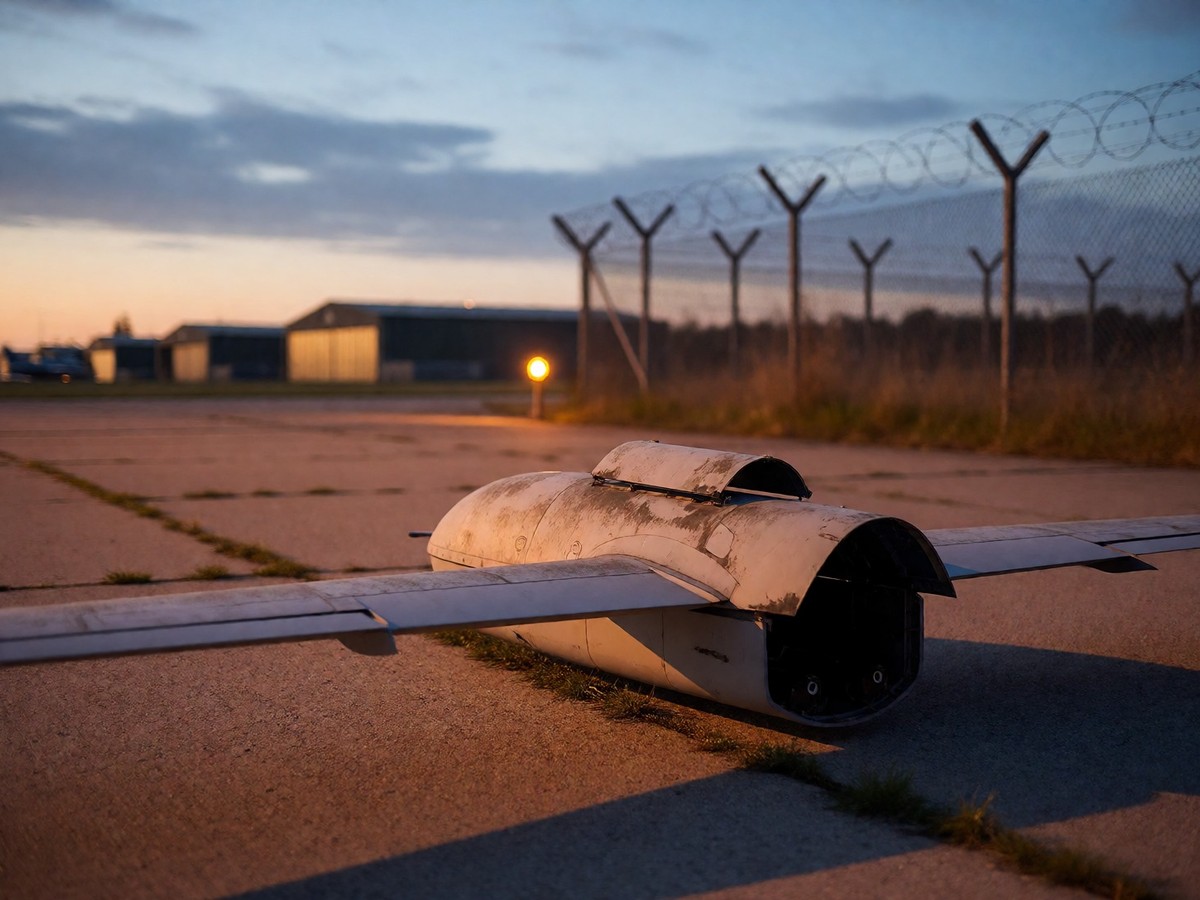
Germany’s military classifies Russian sabotage threats against its troops and facilities as "significant," marking the second-highest threat level for the armed forces. The September discovery of an explosives-laden drone near the Wunstorf air base in Lower Saxony prompted this change, as it marked the first time the German military faced a direct target, unlike the August drone attack at Leipzig/Halle Airport that targeted a Ukrainian plane. I also note that sabotage incidents involving naval vessels spurred this new classification. A defense ministry spokesperson said, "We are noting that we face a significant sabotage threat overall for [Germany’s armed forces]." To address this, security measures at German armed forces facilities will increase. I find the decision to increase security at all armed forces facilities a logical response to the fact that the military itself was targeted. The security increase at the air base in Lower Saxony is a direct response to the drone threat.
Shadow war tactics across Europe
Martin Jaeger, head of Germany’s foreign intelligence service, told lawmakers on Oct. 5 that Germany is in a "shadow war" with Russia and risks being drawn into a violent conflict with Moscow. I see these intelligence warnings reflected in recent activities where Russia tests how far it can push Europe without triggering open war through drones crossing NATO airspace, sabotage, and cyberattacks across the continent. On Oct. 18, Lithuanian authorities thwarted an attempted arson attack on a company storing Starlink satellite communications equipment. Denmark’s intelligence service representative told Reuters on Oct. 7 that Russia increased efforts to disrupt Danish companies involved in supplying weapons to Ukraine. I find the targeting of companies involved in weapon supplies to be a highly provocative development, occurring while Russia seeks to undermine European unity. These incidents occur even as Europe has strengthened its defenses since 2022, though gaps remain in air defense, communications, intelligence, and joint command. I observe these disruptions as part of a broader effort by Russia to test European readiness through various means. I believe the lack of unified response in these areas is concerning as these incursions continue.