Risks of uncovering mercenary operations
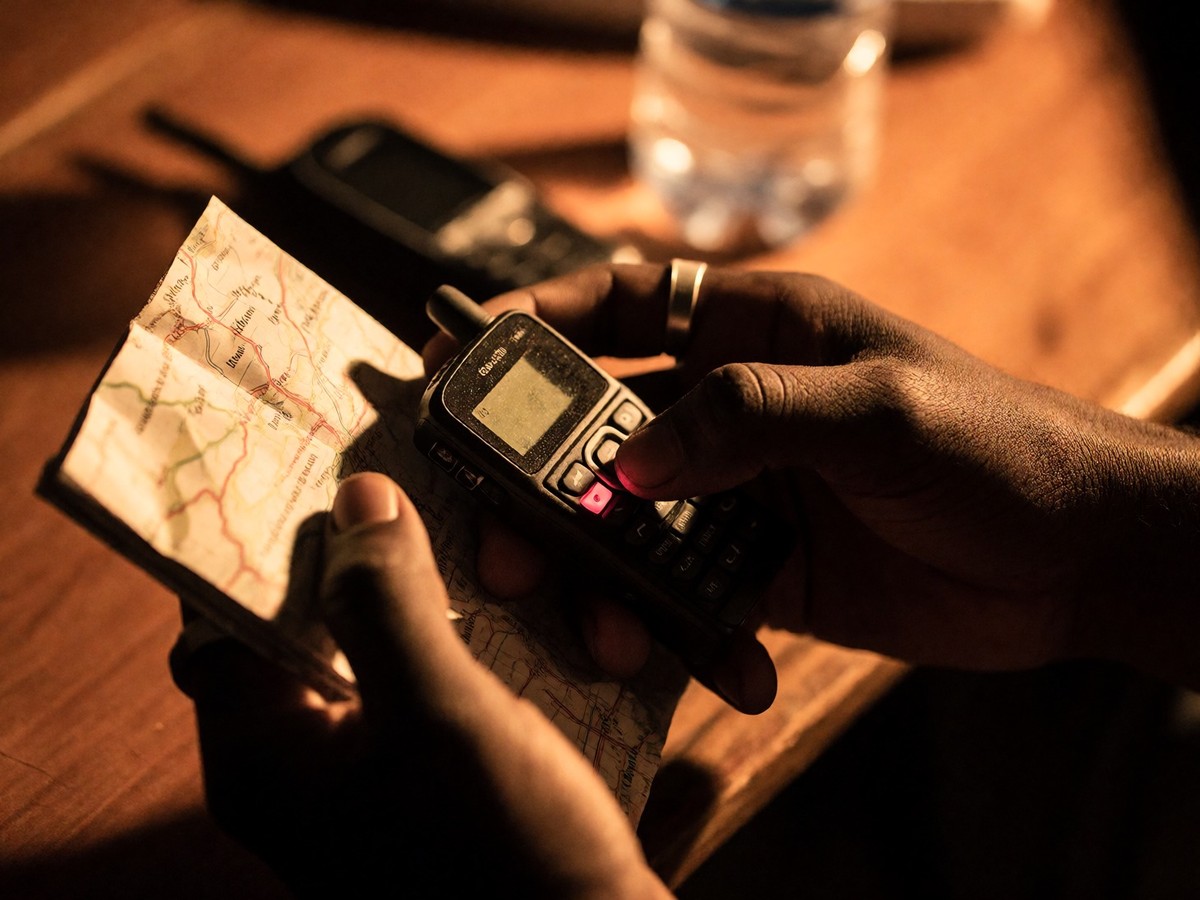
Philip Obaji Jr. faced physical threats and detention while investigating Russian paramilitary activity in the Central African Republic. His interest in Russia began in 2018 when three Russian journalists died while investigating Wagner’s operations in the country. Obaji, who previously worked as a sports television presenter and studied marine biology, collaborated with Anna Nemtsova on a story regarding those deaths. In February 2022, just before the full-scale invasion of Ukraine, Obaji learned from Wagner contacts that more than 200 fighters left the Central African Republic to undergo training in Moscow. Prigozhin responded to his request for confirmation with a call, during which he called Obaji a "cockroach" and threatened him. Two Russian paramilitaries ordered soldiers to take Obaji away and lock him up following that call. His photograph then circulated in a WhatsApp group used by Wagner fighters in the Central African Republic, where commanders instructed men to arrest or kill him if they saw him. In 2023, Obaji returned to the Central African Republic to investigate Wagner operations following the death of Prigozhin in an August 2023 plane crash. After arriving, he went to the border with Cameroon to interview people displaced by Russian paramilitary operations in gold-mining areas. Four Central African soldiers attacked him there. He spent the night in a shipping container filled with rats and cockroaches. He sought medical treatment in Cameroon before returning to the country a few days later to finish his investigation.
Recruitment through false promises
Russia targets prisoners, migrants, students, and people in financial hardship to address manpower shortages. Moscow uses its state-run news agency Sputnik and a network of local radio stations to reach nearly 300 million people. Obaji said Russian propaganda portrays Russia as an alternative to the West and Ukraine as the aggressor. Recruitment agents contact people in person or via social media with promises of civilian jobs. When these recruits arrive in Moscow, they receive contracts written in the Russian language and find that the promised jobs do not exist. "The only option you have is to get to the front lines in Ukraine and work," Obaji said.
He spoke to families of African recruits who did not know their relatives would fight in Ukraine. Ukrainian military intelligence identified 5,451 Africans among nearly 46,000 foreign nationals who signed contracts with the Russian military. A United Nations commission found that Russian authorities trafficked people from 29 different countries to recruit them into the armed forces. For many, this recruitment provides an "escape route out of poverty."
Escalating numbers in 2026
Revenue from African gold helps finance the war in Ukraine. Obaji reported that Wagner gained strength from the resources it amassed in Africa, and the group used violence against local communities to gain control of the mining sector. In 2023, the U.S. Treasury sanctioned companies in the Central African Republic, the United Arab Emirates, and Russia for illicit gold trading used to finance Wagner.
This recruitment strategy helps Russia attempt to capture all of Donetsk Oblast without launching another wave of mass mobilization like the one in 2022, which drove hundreds of thousands of Russians out of the country. Obaji said that Russia aims to sustain its war in Ukraine through these covert methods.
In 2026, Kenya and Ghana directly asked Moscow to stop recruiting their citizens, while South Africa and Botswana issued warnings to their people against accepting lucrative job offers in Russia to mitigate the recruitment surge. Recruitment figures for Russian forces in Africa increased during 2026. Ukrainian intelligence reported that Russia recruited 699 Burundians and 530 Zimbabweans in the first nine months of 2026, compared to 30 Burundians and 65 Zimbabweans recruited throughout all of 2025. Obaji said that Russia will continue to spread its tentacles across the continent to meet its needs for 2027.