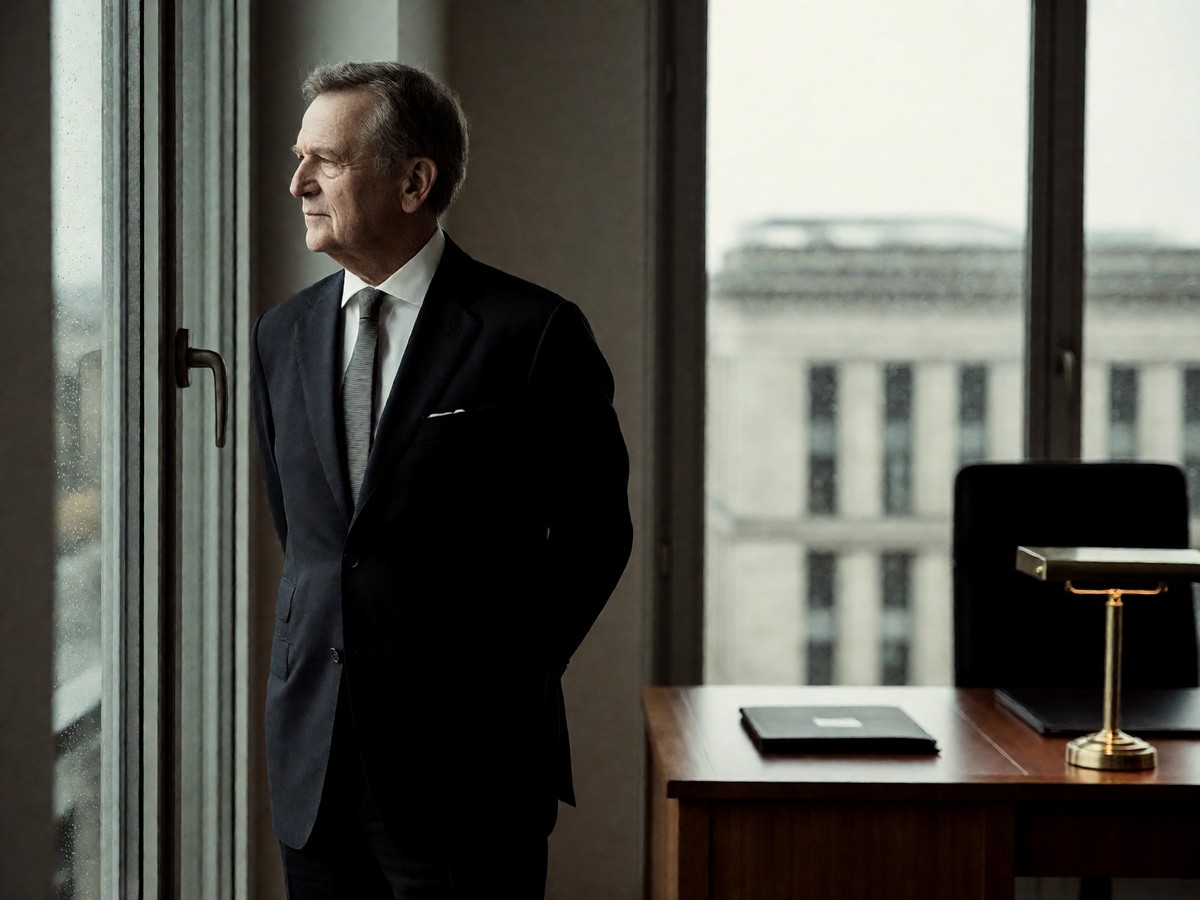
German Chancellor Friedrich Merz has threatened to block the 2028-2034 Multiannual Financial Framework unless all 27 member states agree to share the cost of Ukraine’s €70bn funding gap for 2027 and beyond. In a letter to European Council President Antonio Costa, Merz made Berlin’s backing conditional on this collective commitment, stating that fair contribution is an "essential prerequisite" for discussing further matters with financial implications. The move targets Hungary, Slovakia, Bulgaria, and Czechia, which have refused to pay more for Ukraine. These four nations are net recipients of EU money, and Merz is leveraging Germany’s status as the largest net contributor to force their participation. This is the second budget threat from Berlin in six weeks, following a previous ultimatum demanding cuts to the Commission’s nearly €2 trillion plan.
The funding gap and political standoff
The €90bn Ukraine Support Loan agreed last December is paid in two €45bn tranches, but even this year’s money is arriving slowly. By November 5, the Commission had paid out only €24.1bn of the 2026 tranche, leaving €20.9bn dependent on reforms that Kyiv has been slow to pass. President Volodymyr Zelenskiy warned in September of a $27bn defence shortfall, about a third of which covers drones needed in early 2027, and asked Brussels to bring forward part of next year’s tranche. At the October summit, Ursula von der Leyen acknowledged the €70bn gap, and Economy Commissioner Valdis Dombrovskis said the EU would aim to cover around two-thirds, or another €45 billion. That leaves about €25bn for other partners, who have pledged only €4bn so far. The split over who pays has widened since the summit, with Czech Prime Minister Andrej Babis saying "Czechia will not guarantee for it" and Hungarian Prime Minister Peter Magyar calling the draft unacceptable.
Merz insists that every member must share the cost of the €45bn, and the Commission is assessing a second loan modelled on the €90bn facility. Such a loan could be secured on frozen Russian assets, though Belgium still refuses to touch the principal. Joint debt is the most likely route because national budgets are stretched, and EU debt raised for Ukraine could top €200bn. The Irish presidency’s compromise draft already reduced Ukraine’s line in the MFF from €100bn to €89bn, but elections in Italy and Poland may make a deal harder. Moscow casts the exercise as Europe paying for its own policy, with Foreign Minister Sergey Lavrov claiming sanctions cost Europe "trillions" while Russia suffered no significant losses. Merz has asked Costa to put the funding gap on the agenda of the informal summit in Dublin on November 13, originally meant for artificial intelligence discussions. The MFF itself goes to an extraordinary summit in Brussels on November 26-27, where Merz’s threat will be tested. The EU also activated its Civil Protection Mechanism on November 9 for emergency help with Ukraine’s energy crisis after Russia’s heaviest strike on the grid this year.