Increased maritime presence
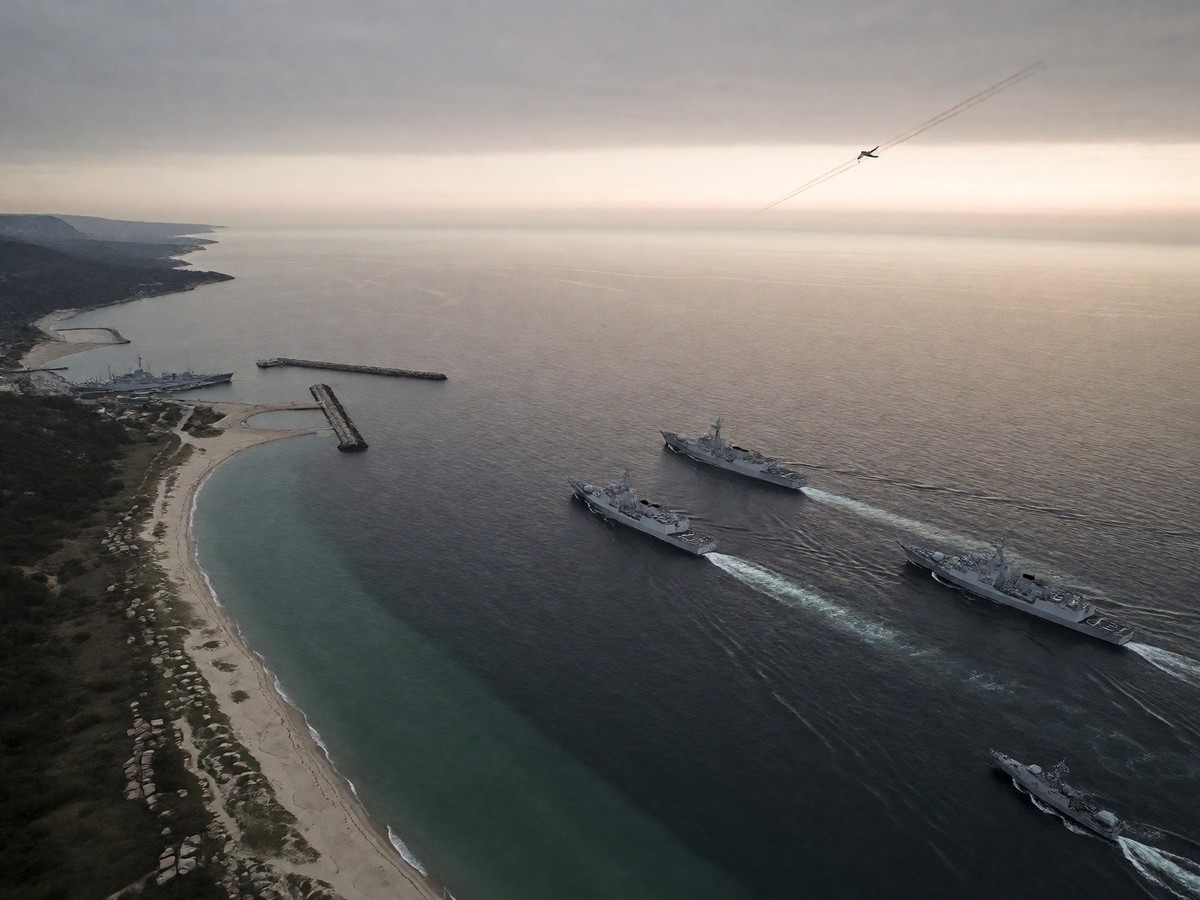
NATO will increase its military presence in the Black Sea by deploying additional maritime patrol aircraft, radar systems, and drones following attacks on commercial vessels. On Oct. 20, the North Atlantic Council met at the alliance headquarters in Brussels to discuss security in the region. U.S. Army Col. Martin O’Donnell said Allies will send additional intelligence personnel and explosive exploitation teams to the Black Sea to improve awareness of potential threats. This decision follows drone strikes near the coasts of Romania and Bulgaria. On Oct. 13, drones struck the Maltese-flagged, Ukrainian-owned Chelsea 3 near the Bulgarian town of Byala and sank the Guinea-Bissau-flagged HS Dignity near Krapets, leaving 11 crew members missing after the incident. Bulgarian authorities recovered suspected drone fragments from the Chelsea 3 to determine the weapon’s origin. On Oct. 15, the San Marino-flagged chemical tanker Wine Trader caught fire near the Romanian port of Sulina, and seven sailors went missing. While military analysts identify Russia as the likely perpetrator, NATO has not named a responsible country. Romanian Defense Minister Radu Miruta said Romanian F-16 fighter jets shot down two drones over territorial waters on Oct. 17, and he believed the drones were Russian-made Geran-4 models. NATO spokesperson Allison Hart said the alliance has already strengthened its posture along the eastern flank with counter-drone capabilities.
Russian drone strikes in Kyiv
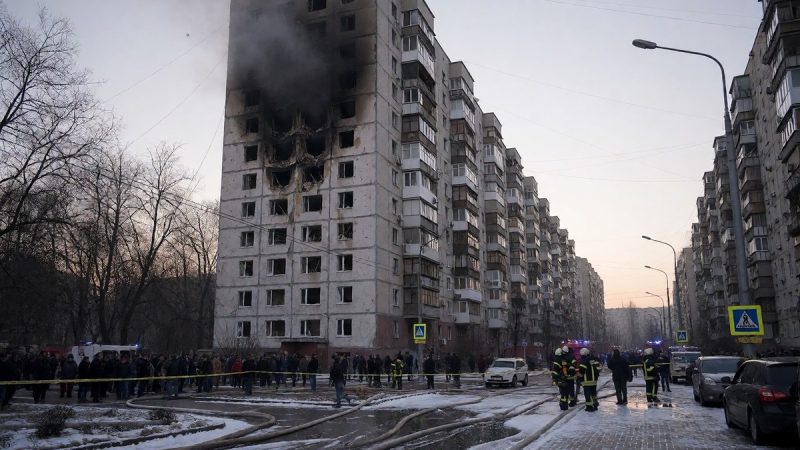
Russian drones struck Kyiv on Oct. 20, injuring 12 people and damaging medical facilities in the Solomyanskyi and Holosiivskyi districts. Ukrainian Prime Minister Serhii Koretskyi said Russia struck the operating room of the Strazheska Institute of the National Academy of Medical Sciences in Solomyanskyi, injuring one patient. This hit the sixth floor, while a previous attack last year hit the fourth floor. A drone in the Holosiivskyi district crashed near a gas station. The drone strike killed at least three people and injured four others after it hit commuter traffic. Mayor Vitali Klitschko reported that multiple cars burned near the Kyiv-Odesa highway. The Kyiv City Military Administration reported that five people were injured when debris hit a medical facility in Holosiivskyi, but the National Police later reported 12 total injuries in the city.
First responders rescued four people from upper floors after a fire broke out in the Holosiivskyi district. In the Desnianskyi district, a fire broke out at a community garage near the Northern Bridge, though the Kyiv City State Administration said the bridge itself was not hit. Traffic on the bridge may be disrupted because officials must inspect the consequences of the nearby attack. In the Obolon district, debris from a drone fell on a market, and in the Shevchenkivskyi district, Klitschko said an energy facility was hit. The State Emergency Service said the enemy is "once again cynically attacking civilians."