The attack in Komyshuvakha
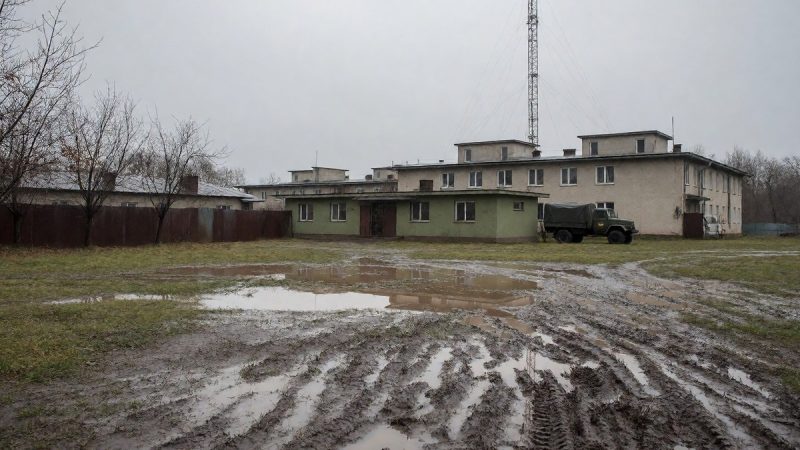
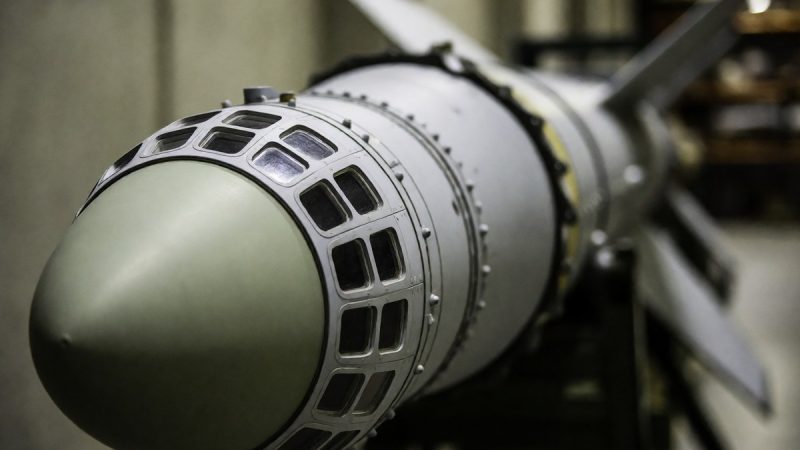
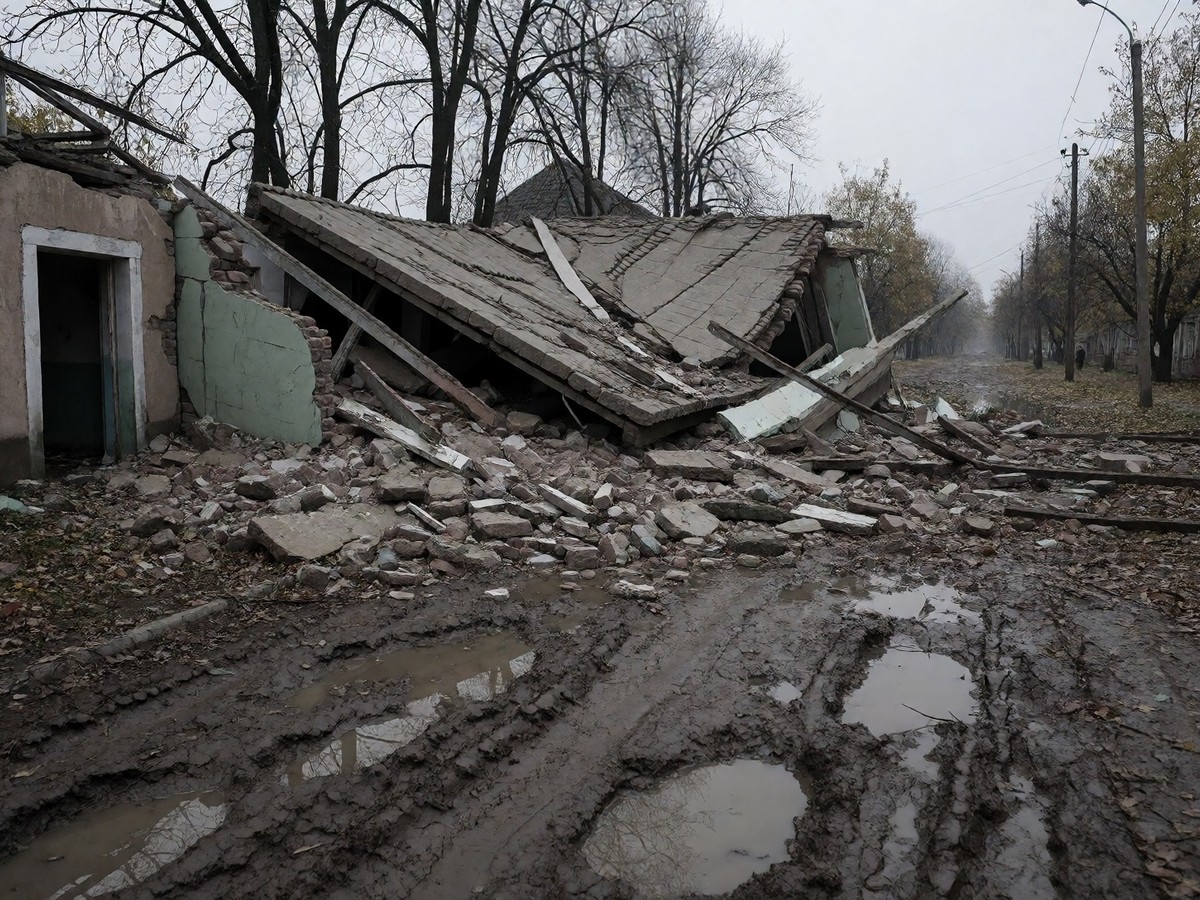
The massive FAB-3000 bomb, which contained nearly 1.5 tons of explosives and carried a blast radius of up to 250 meters, struck the underground concrete structure in Komyshuvakha on November 2, 2026, and killed dozens of people. The attack hit an underground school building where residents gathered humanitarian aid. Russian forces first deployed FAB-500 bombs before using the larger FAB-3000 to collapse the facility. When police and rescue workers arrived to assist the injured, nine more bombs struck the shelter in a double-tap attack, according to President Volodymyr Zelensky. He noted that most victims were civilians or those who arrived to help. Body camera footage from a killed police officer captured the moments before the bombs struck. Radio warnings about incoming guided bombs prompted officers to urge civilians to take cover before the explosion shook the building.
Casualties and the reality of the village
Zaporizhzhia Governor Mykhailo Semikin reported that 53 people were confirmed dead and 53 remained missing as of November 6. Police located seven people previously reported missing, such as 56-year-old Olha, who survived after three days of uncertainty. Rescuers search the ruins for victims while they face constant threats from Russian drones. They can only work for 15 to 20 minutes at a time before the threat of guided aerial bombs forces them to withdraw. Some bodies remain so badly damaged that authorities require DNA samples from relatives to complete the identification process. Three civilians and one rescue worker also require hospitalization; one case involves a 22-year-old woman with burns covering 81% of her body. I find the loss of this single facility devastating for the 500 residents who remain in the settlement today. Most of these people are over 50 years old, since the pre-war population of 5,000 has dwindled. Since the beginning of the year, police evacuated 166 residents, which included 77 older people and 33 people with limited mobility. By June, the last 11 children had been evacuated from the school that sat more than 7 meters underground. About 2,500 people remain in the wider Komyshuvakha community, which includes 30 villages and settlements, compared to 12,500 people before 2022. More than 60% of private, apartment, and commercial buildings in the settlement have been destroyed.
Military claims and strikes on infrastructure
Russia’s Defense Ministry claimed strikes on Ukrainian military units killed up to 25 service members and destroyed 15 vehicles and an electronic warfare station, though they provided no evidence. An International Legion soldier said the school had not served military personnel for a long time and that Russian drones could have established how the facility functioned. "It was absolutely a civilian point," the soldier told the Kyiv Independent. In the wider Zaporizhzhia Oblast, Russian forces conducted 785 strikes on 51 settlements on November 6. This follows a period where the population of Orikhiv, located 28 kilometers from Komyshuvakha, dropped from 13,000 to just a few hundred. Many settlements in this region sit only 5 to 15 kilometers from Russian positions. Ukrainian forces have also targeted Russian infrastructure. On November 5, drones struck the Ryazan oil refinery, and another strike hit the Afipsky Oil Refinery in Krasnodar Krai. The Afipsky facility remains one of the largest in the region and faced EU sanctions in April. On November 4, a drone also struck a logistics center belonging to the Russian online retail giant Ozon in the Adygea Republic, which forced an immediate evacuation of all employees. Ozon and its competitor Wildberries are major parts of the Russian economy, as their combined ecosystems account for approximately 8.5% of the country’s GDP.