The UN leadership push
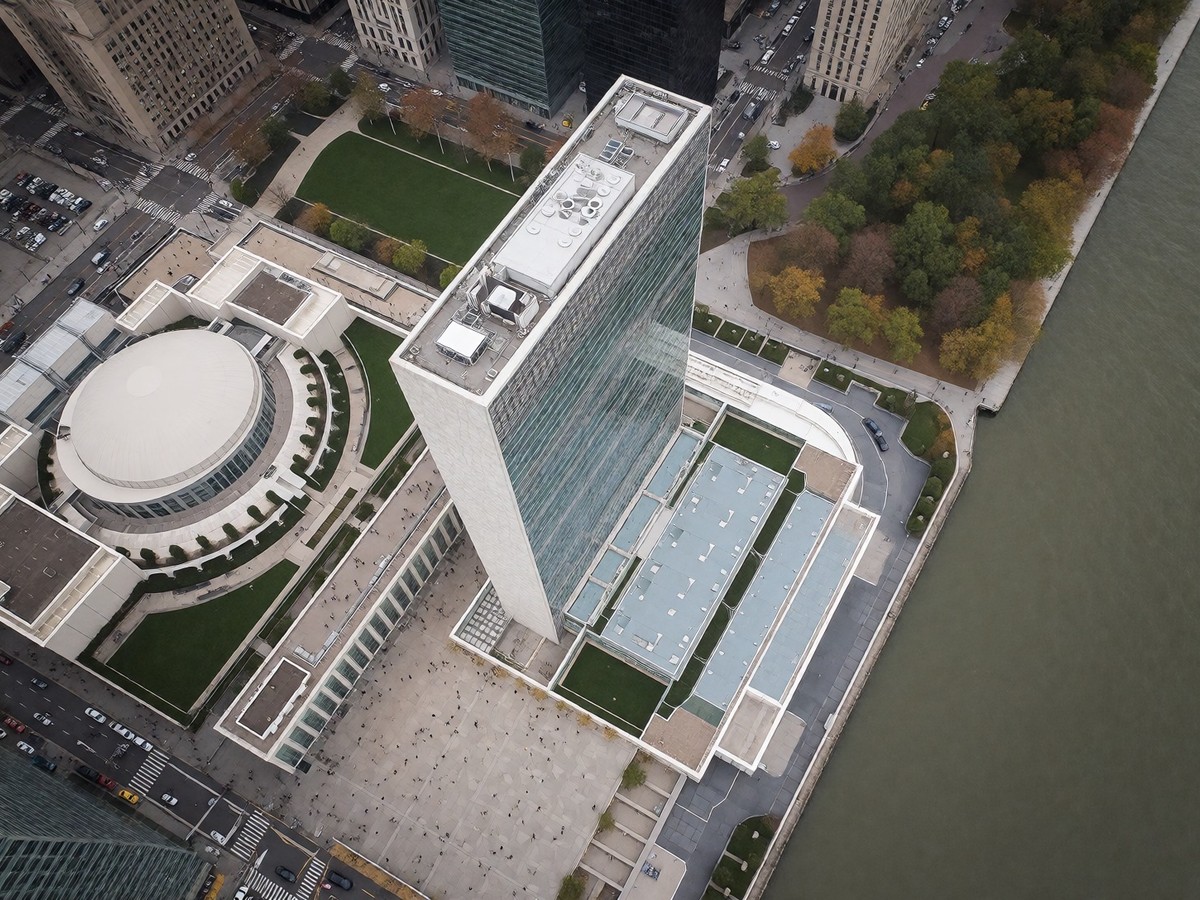
US President Donald Trump is pushing for former Hungarian prime minister Viktor Orban to become the next UN secretary-general. This proposal could break the deadlock over the successor to Antonio Guterres, whose second term ends at the end of 2026. Russia and China are reportedly receptive to the idea, though the Kremlin has not publicly commented. US Vice President JD Vance endorsed Orban at a campaign rally days before the April election. The administration may wait until the midterm election to offer public support. Orban needs nine affirmative votes from the 15 members of the UN Security Council to secure the position. US sources cited by The Wall Street Journal suggest Orban could secure the support of eight to ten members, but he must also receive the votes of all five permanent members. France and the UK have criticized his policies and have not publicly committed to backing him. Beijing has stressed that the next secretary-general should respect the UN Charter and possess appropriate diplomatic experience. Because regional rotation makes another European appointment unlikely, Orban is not among the official candidates. Orban has expressed interest in the possibility but has not made a final decision, as he primarily sees himself as a national political leader rather than an international civil servant.
| UN Secretary-General Requirement | Detail |
|---|---|
| Minimum affirmative votes needed | 9 |
| Total Security Council members | 15 |
| Permanent members with veto power | 5 |
| Current term end date | End of 2026 |
Hungarian political pressure
Orban faces intense pressure at home following his defeat at the April election. Hungarian Prime Minister Peter Magyar aims to hold former government officials accountable, which would force a change in his political strategy. Orban remains the main unifying force for Fidesz, though his departure could end the party. He was absent from the October 23 commemoration of the 1956 revolution and was in Belfast during the detention of former Culture Minister Balazs Hanko. Hanko and former development minister Miklos Sesztak face suspicions regarding kickbacks in bus procurements. Orban claims these arrests target him. The UN position would provide Orban with diplomatic immunity, sparing him from becoming a target of future investigations. This pursuit of the secretary-general post is a blatant attempt to avoid domestic prosecution. Orban’s name also appeared in the March 2026 raid against a Ukrainian gold convoy, where the Hungarian anti-terrorist unit, TEK, seized two state-owned Oschadbank vehicles five weeks before the election. Pal Furcht, who resigned from the Central Chief Prosecutor’s Office of Investigation in early June, alleged that Orban personally ordered intelligence services to intercept the Ukrainian cash convoy that the TEK unit seized in March 2026. Furcht repeated these claims at a recent committee hearing in Parliament, though the Prosecutor General’s Office called his statements factually false. Many voters expect the Tisza Party, which won on an anti-corruption platform, to pursue the former prime minister, who has become the symbol of corruption and nepotism in their eyes.